Design the public card around immediate mobile actions.
All case studiesFlagship case study
Stack Digital Card SaaS Implementation
Stack Digital Card is a useful SaaS reference because it turns a simple sharing idea into a managed product: profile setup, public card pages, contact actions, media, payments, and a dashboard that keeps the experience maintainable.
Business problem
The operating problem behind the build
Digital business card products fail when they stop at a static profile. Teams need a repeatable way to manage identities, links, images, contact methods, review actions, sharing flows, and paid access.
Implementation decisions
What mattered in the system design
Give users a dashboard for maintaining profile content and media.
Plan subscription and payment support early enough to avoid a later rewrite.
Keep sharing, QR, and contact actions simple for visitors.
Build vs buy
When to buy a tool and when to build
Buy when
The business only needs a simple public profile and can accept vendor constraints.
There is no need for custom branding, team workflows, payments, or media logic.
Build when
The platform is the product, not just a tool the company uses.
Custom profile fields, sharing flows, payments, analytics, or team controls matter.
The business needs ownership over user experience and monetization.
Mistakes to avoid
Practical risks this case study helps prevent
Treating mobile layout as secondary when most sharing happens on phones.
Ignoring media upload and performance early.
Adding payment support after the data model is already too rigid.
Making public cards visually nice but operationally hard to update.
Planning assets
Use the guide and checklist before scoping a similar build
Internal proof cluster
Related proof and next steps
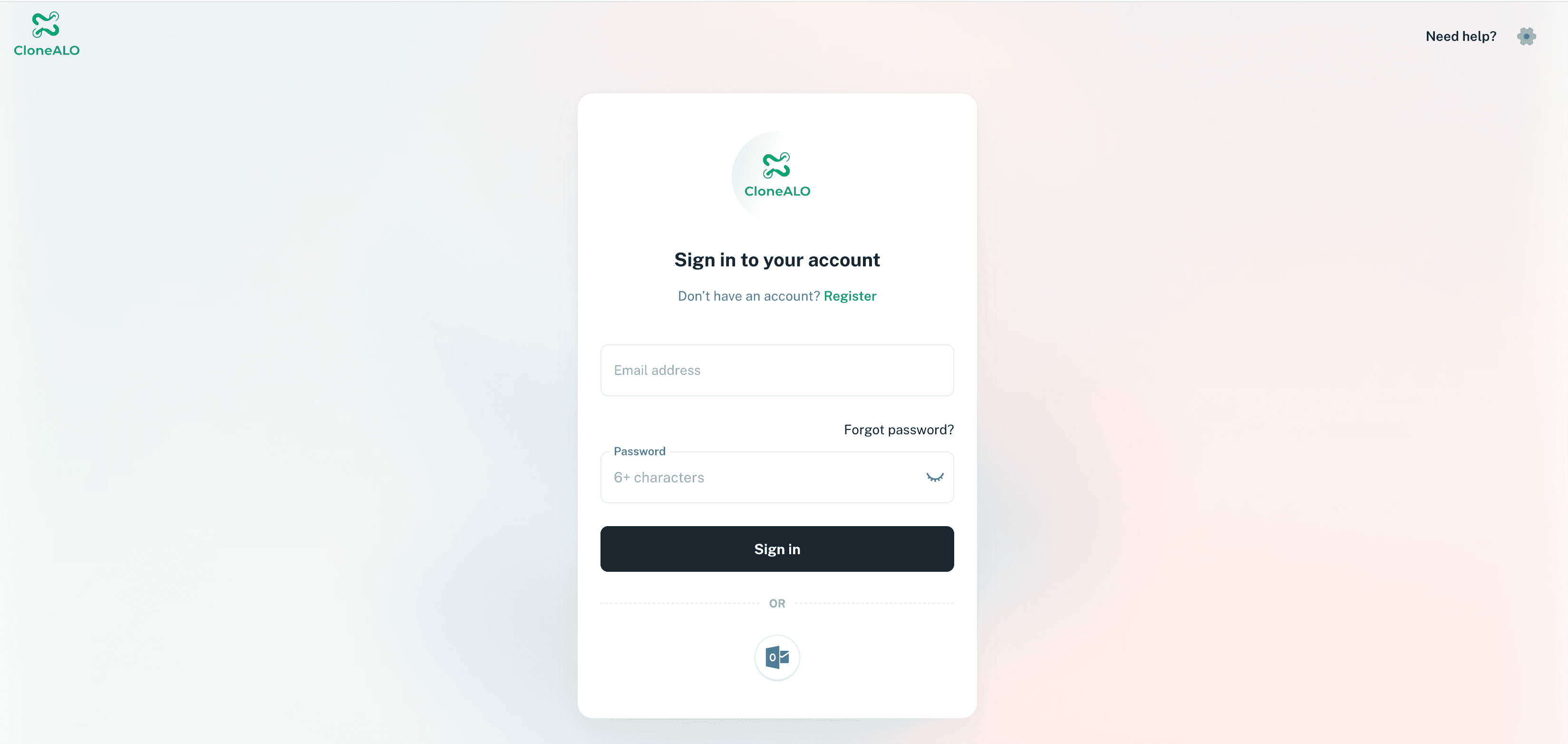
CloneALO — Loan Officer SaaS Platform
CloneALO was a SaaS-style platform designed for loan officers and related business users.
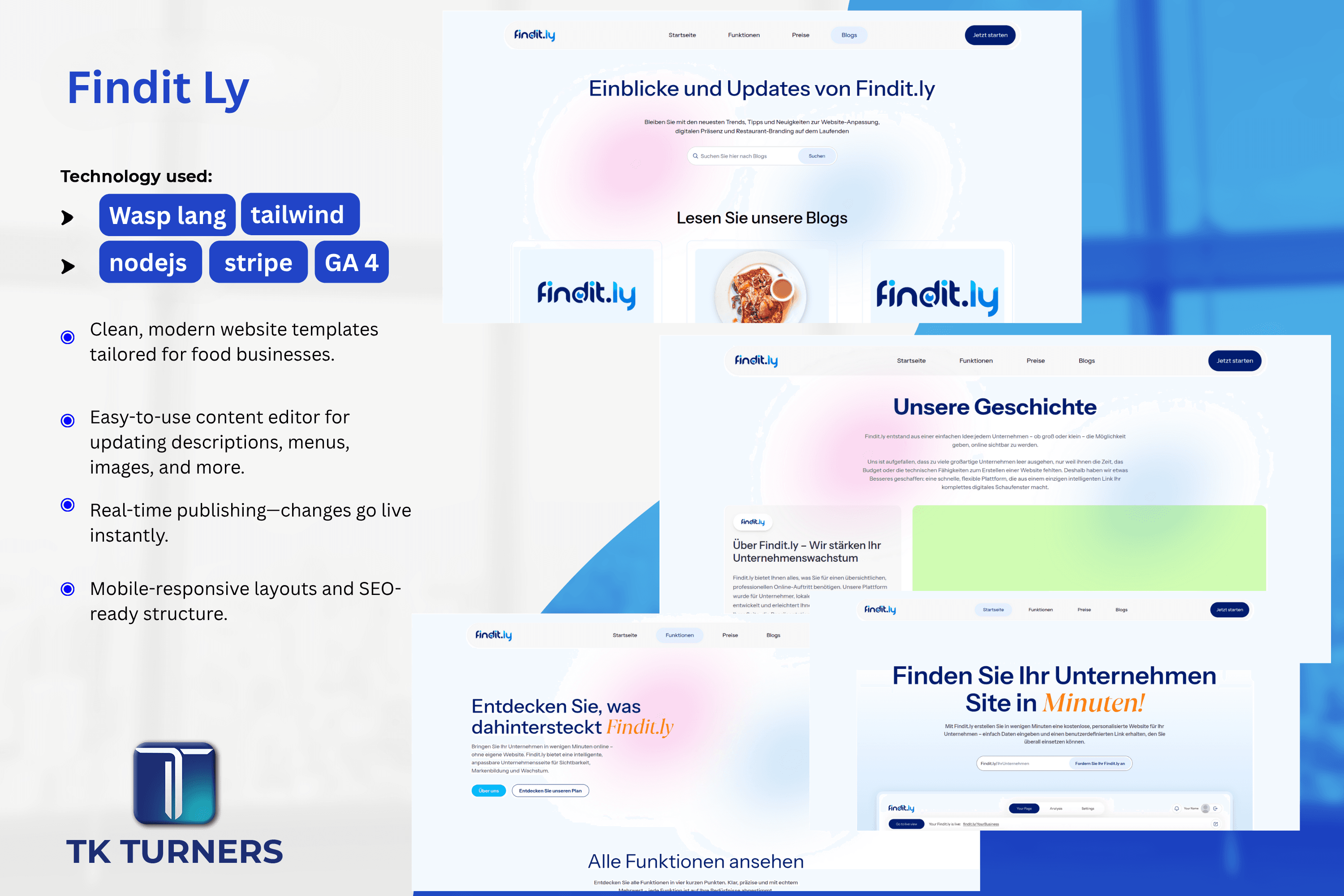
Findit LY
FindIt is a dynamic web platform that empowers restaurant owners to create and manage their own customized websites—without needing any technical skills.
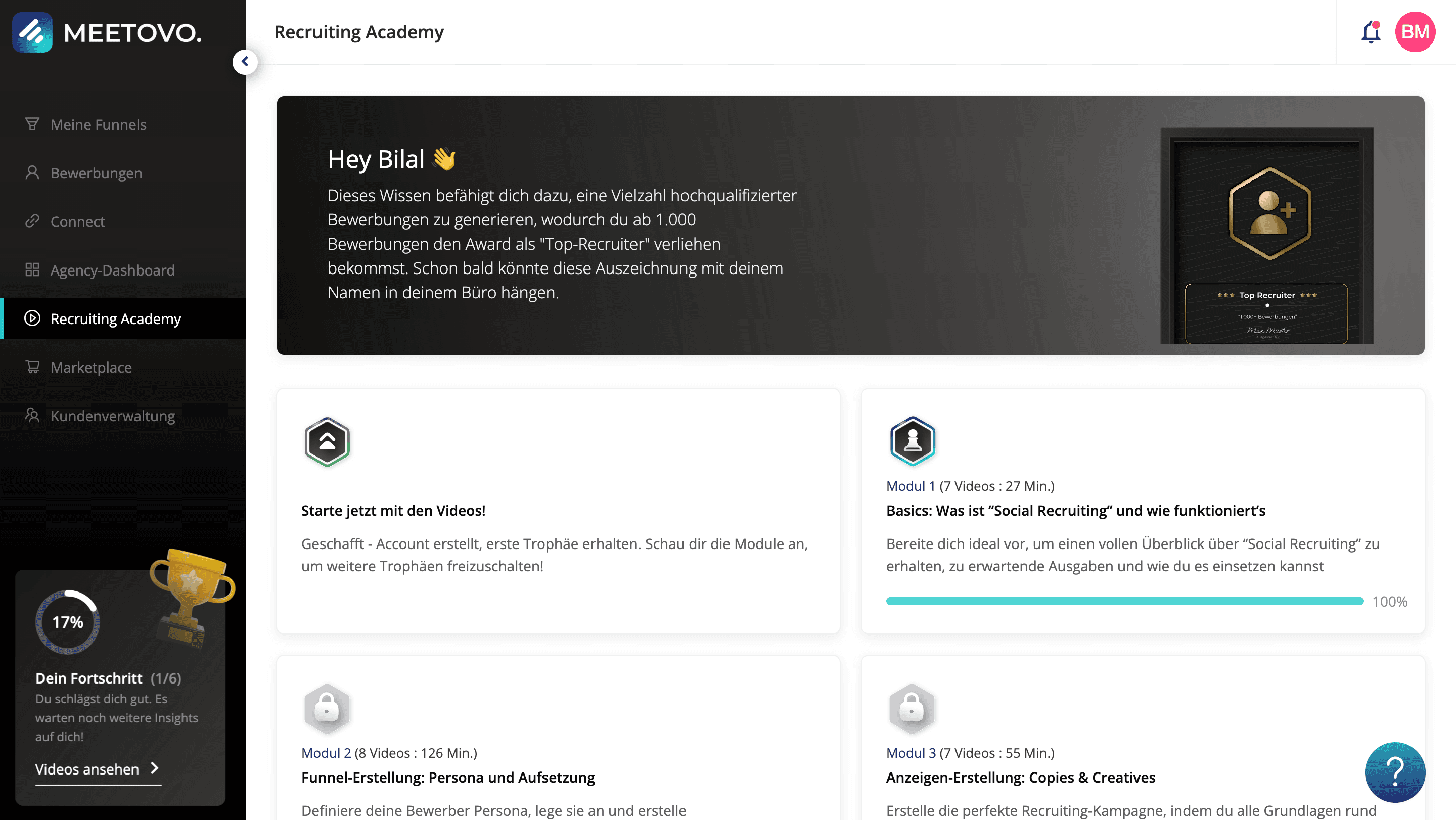
Meetovo
Meetovo is a german all-in-one social recruiting platform that let's businesses and agencies rapidly launch recruitment campaigns primarly on social media without requiring technical expertise.
Search questions
Questions this page helps answer
What makes a digital business card platform different from a profile page?
A platform includes account management, profile editing, media, sharing, contact actions, and often payments or team workflows. A profile page is only the public surface.
When should a digital card product be custom built?
Build custom when the product needs unique branding, paid plans, team features, custom data, or a public experience that generic tools cannot provide.
What matters most in digital card UX?
The visitor should quickly understand who the person or business is and take the next action: call, email, message, review, follow, or open a link.
Can a digital card SaaS support subscriptions?
Yes. Subscription support should be planned with account roles, premium features, billing state, and upgrade paths in mind.