AI development

Turn AI ideas into usable product workflows.

Build copilots, RAG, agents, and report tools around real data, human review, evaluations, and system actions.

See AI proof
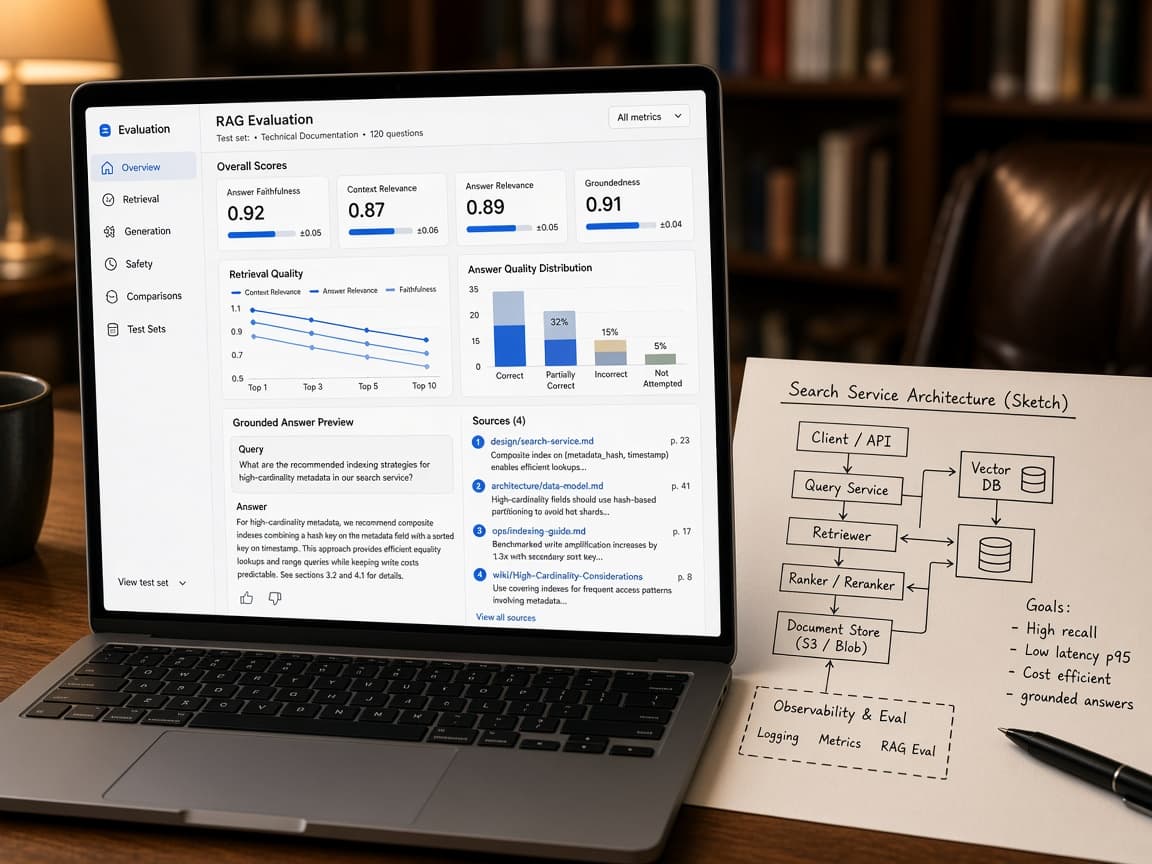
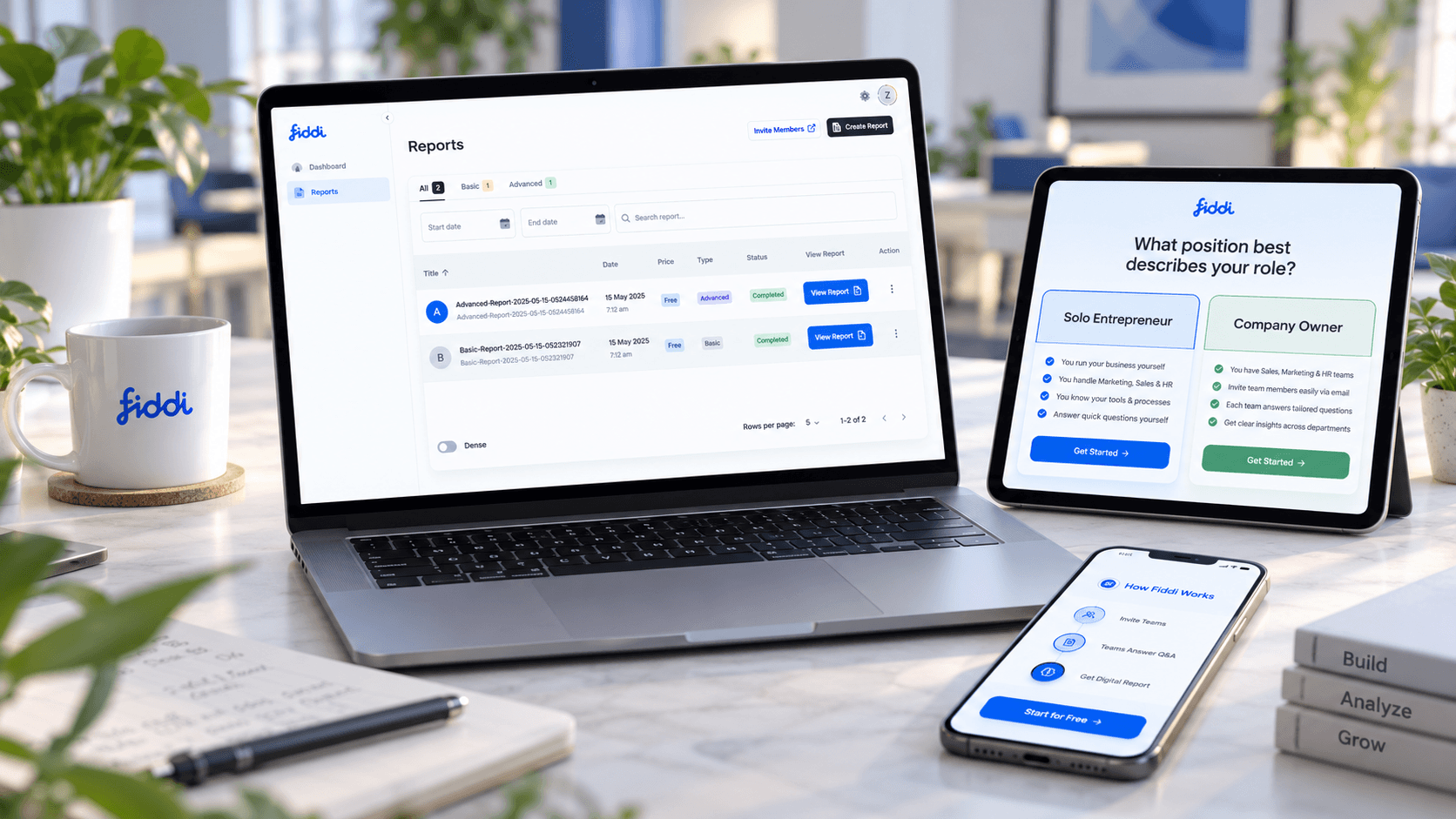
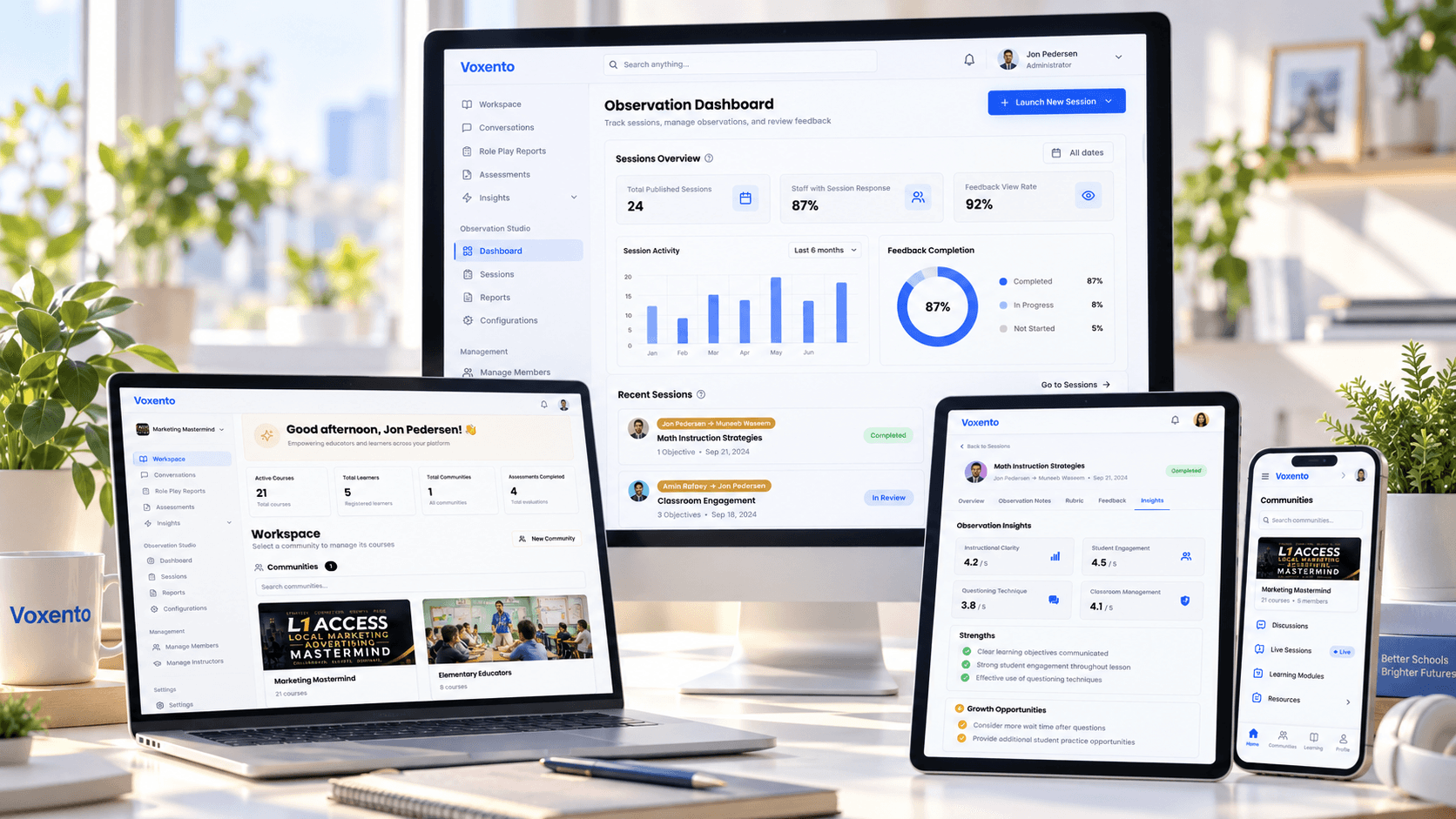
AI workflow proof

Business data chatbots, report builders, voice training, and workflow AI tied to real systems.

View AI proof
Outcome
AI that helps inside the workflow
Mechanism
Data, prompts, tools, UX, and evaluation
Risk reducer
Human review and failure modes designed in
RAG
Knowledge workflows
Copilots
In-product assistance
Agents
Task automation
Reports
AI-generated outputs
Strategy call

Leave with the first move mapped.

The call is useful even if we do not build together. We use it to clarify what should happen next, what can wait, and what could make the project expensive.

Scope map
Users, systems, first release
Risk list
Unknowns to resolve early
Build path
Milestones and ownership
Range
Timeline and budget signals
Free checklist

AI Automation Readiness Checklist

Check source data, permissions, human review, integrations, and value metrics before an AI workflow build.

  • Source data
  • Review points
  • Success metrics
Open AI checklist
Problems and use cases

Built for AI ideas that need more than a prompt wrapper.

Useful AI products need data access, output review, permissions, system actions, error handling, and UX that makes uncertainty manageable.

Copilot

Users need help inside the product

Search, drafting, summaries, recommendations, or next-step guidance need to live inside existing user flows.

RAG

Knowledge is scattered across systems

The AI needs controlled access to documents, records, files, product data, tickets, CRM notes, or internal references.

Reporting

Manual reports take too long

Structured inputs, calculations, AI-generated analysis, and review workflows can turn repeated report work into a product process.

Agents

Repetitive tasks need supervised automation

AI can route, classify, summarize, enrich, or trigger work with human approval for important decisions.

Voice

Audio workflows need intelligence

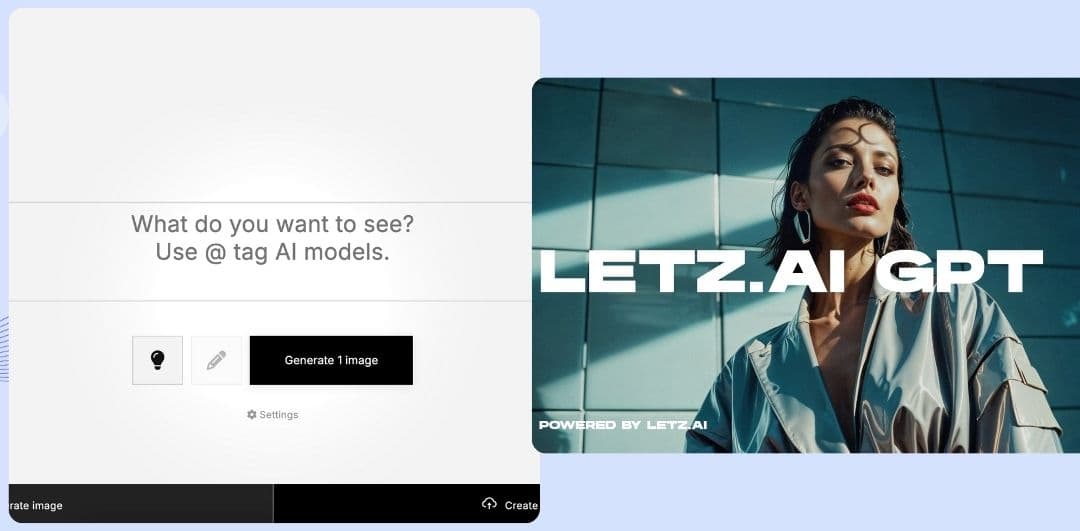
Transcription, voice generation, coaching, scoring, and conversation review can become product features.

Rescue

The AI prototype is not production-ready

The demo works, but data quality, auth, cost control, reliability, and UX need production discipline.

Desired transformation

Move from AI experiment to usable product capability.

The goal is an AI system that is grounded in the right data, visible to the right users, safe enough for the workflow, and connected to the next business action.

01

Grounded answers

02

Faster workflow decisions

03

Human review paths

04

Clear AI cost controls

05

Reusable product features

Service offer

An AI product development program, from use case to launch.

The engagement can include AI workflow discovery, data architecture, retrieval design, prompt and tool strategy, interface design, backend implementation, integrations, QA, evaluation, deployment, and support.

Scoped offer

AI is scoped around the decision it improves.

We start by defining the user task, source data, output quality bar, human review path, and system action before model selection gets too much attention.

01

Use case

Define the task, value, risk, and evaluation target.

View phase checklist
  • Workflow mapping
  • AI fit review
  • Data inventory
  • Success criteria
02

Architecture

Design data access, retrieval, model use, and approvals.

View phase checklist
  • RAG design
  • Tool calling
  • Permissions
  • Human review
03

Build

Implement the AI feature inside the product or workflow.

View phase checklist
  • AI UI
  • Backend services
  • Integrations
  • Observability
04

Launch

Evaluate quality and prepare for production usage.

View phase checklist
  • Test sets
  • Error handling
  • Cost monitoring
  • Support plan
Capabilities

AI capabilities that can become production features.

The right AI system depends on the data source, user workflow, risk profile, and action the AI is supposed to improve.

AI copilots

Assistance embedded into product and staff workflows.

View capabilities
  • Search
  • Summaries
  • Drafting
  • Recommendations

RAG and knowledge systems

Grounded answers over controlled business content.

View capabilities
  • Embeddings
  • Retrieval
  • Citations
  • Source controls

Workflow agents

AI-supported routing, classification, and task execution.

View capabilities
  • Tool calls
  • Approvals
  • CRM actions
  • Queue routing

AI media and reports

Generated content, audio, transcripts, reports, and reviewable outputs.

View capabilities
  • Report builders
  • Transcription
  • Voice
  • Structured generation
AI build types

What we can build with AI.

The strongest AI builds are tied to a product surface or operating workflow, not isolated prompts.

01

AI copilots

Contextual assistance inside dashboards, portals, CRMs, and internal tools.

02

RAG systems

Search and answer systems grounded in private documents, records, and operational data.

03

AI report builders

Structured report generation, review flows, and publishable output surfaces.

04

Workflow agents

Classify, route, enrich, summarize, and trigger actions with guardrails.

05

AI product features

Features that make an existing web, mobile, or SaaS product more useful.

Process

An AI build process with evaluation built in.

AI delivery needs workflow clarity, data controls, test examples, output review, cost awareness, and system integration from the start.

01

Fit and workflow discovery

We clarify the users, business workflow, systems, constraints, and success criteria before recommending a build path.

02

Roadmap and architecture

The first release, integration boundaries, technical risks, milestones, and acceptance criteria are turned into a practical plan.

03

Design and build iterations

UX, frontend, backend, data, integrations, and QA move in visible increments with working demos at key checkpoints.

04

Launch and handover

Deployment, monitoring guidance, documentation, source-code access, and post-launch stabilization are handled before the work is closed.

Risk reducers

Controls that keep AI useful and inspectable.

AI risk comes from vague use cases, bad data, hidden model behavior, weak UX, and missing human review. The engagement is built to address those points.

Technology stack

AI architecture selected around data and workflow.

Common options include OpenAI APIs, vector databases, retrieval systems, embeddings, tool calling, structured outputs, Python, Node.js, Next.js, Postgres, workflow queues, CRM APIs, and analytics.

Retrieval and grounding when answers need trusted sources.

Structured outputs when AI must feed a workflow or record.

Human approval for sensitive or high-impact actions.

Monitoring and cost controls for production usage.

Model choice based on task quality, latency, and budget.

Milestone-based delivery

The project is broken into decision checkpoints so scope, cost, and quality stay visible while the product is still adjustable.

Staging access

You can review working flows in a controlled environment before they reach customers, staff, or production systems.

Acceptance criteria

Important user flows, integration behavior, edge cases, and handover expectations are agreed before final sign-off.

Source-code access

Repository access and handover expectations are clarified so the product does not become trapped with the delivery team.

QA and release support

Functional testing, responsive checks, deployment support, and post-launch defect handling are treated as part of delivery.

Founder-led scoping

Senior product and engineering judgment stays close to the engagement instead of disappearing after the sales conversation.

Comparison

Why not ship a quick AI wrapper?

A wrapper is fast to demo and easy to outgrow. A useful AI product needs data, UX, evaluation, system actions, and support.

Data grounding

Source data, retrieval, permissions, and output review are designed.

VS

Data grounding

The model answers from weak context and users stop trusting it.

Workflow fit

AI sits inside the task and triggers the next useful step.

VS

Workflow fit

AI creates text that users still need to manually move somewhere else.

Production quality

Testing, errors, costs, and handover are handled.

VS

Production quality

The prototype fails when real users, data, and volume arrive.

Before you build

Separate useful AI workflows from disconnected experiments.

The goal is not a demo. It is an AI workflow that can read, reason, act, and be checked inside the business process.

01

What if the AI output is wrong?

We plan evaluation, source visibility, confidence handling, and human review before sensitive actions are automated.

02

Can AI connect to our real data?

Data access, freshness, permissions, retrieval strategy, and audit boundaries are scoped before model choices.

03

How do we know it is worth building?

We define the task, time saved, response quality, or decision improvement the workflow must prove after launch.

FAQ

Questions buyers ask about ai development.

These answers reduce the practical uncertainty that usually appears before a serious service conversation.

01

What is the difference between AI development and AI automation services?

AI development focuses on product features and AI systems. AI automation services focus on operational workflows, agents, and automations. Many projects include both.

02

Can you build a RAG system over our documents or data?

Yes. We can scope retrieval, source controls, permissions, citations, evaluation, and the product interface around your data.

03

Can you add AI to an existing web or mobile app?

Yes. AI features can be added to existing products when the integration surface, data access, and user workflow are clear.

04

Do you handle AI evaluation?

Yes. We can define test examples, quality checks, failure modes, human review paths, and monitoring needs for the AI feature.

05

Which AI models do you use?

Model choice depends on the task, latency, budget, accuracy needs, and deployment constraints. We do not force a model before the workflow is understood.

06

Can AI connect to our CRM or ERP?

Yes. AI systems can read from and write to business systems when permissions, approvals, and data quality are handled correctly.

07

Can you rescue an AI prototype?

Yes. We can review prototypes for data, UX, reliability, security, cost, evaluation, and architecture gaps before building a production path.

Next step

Bring the project, workflow gap, or current system to one strategy call.

We will use the conversation to understand fit, scope, risk, required systems, and the first useful release before recommending a delivery path.

Useful call inputs

  • What outcome you need
  • What systems or users are involved
  • What has already been tried