Mobile app development

Launch a mobile app customers keep using.

Get a launch-ready iOS/Android product path with UX, backend, QA, and store release decisions handled before engineering spend drifts.

See mobile proof
Mobile proof

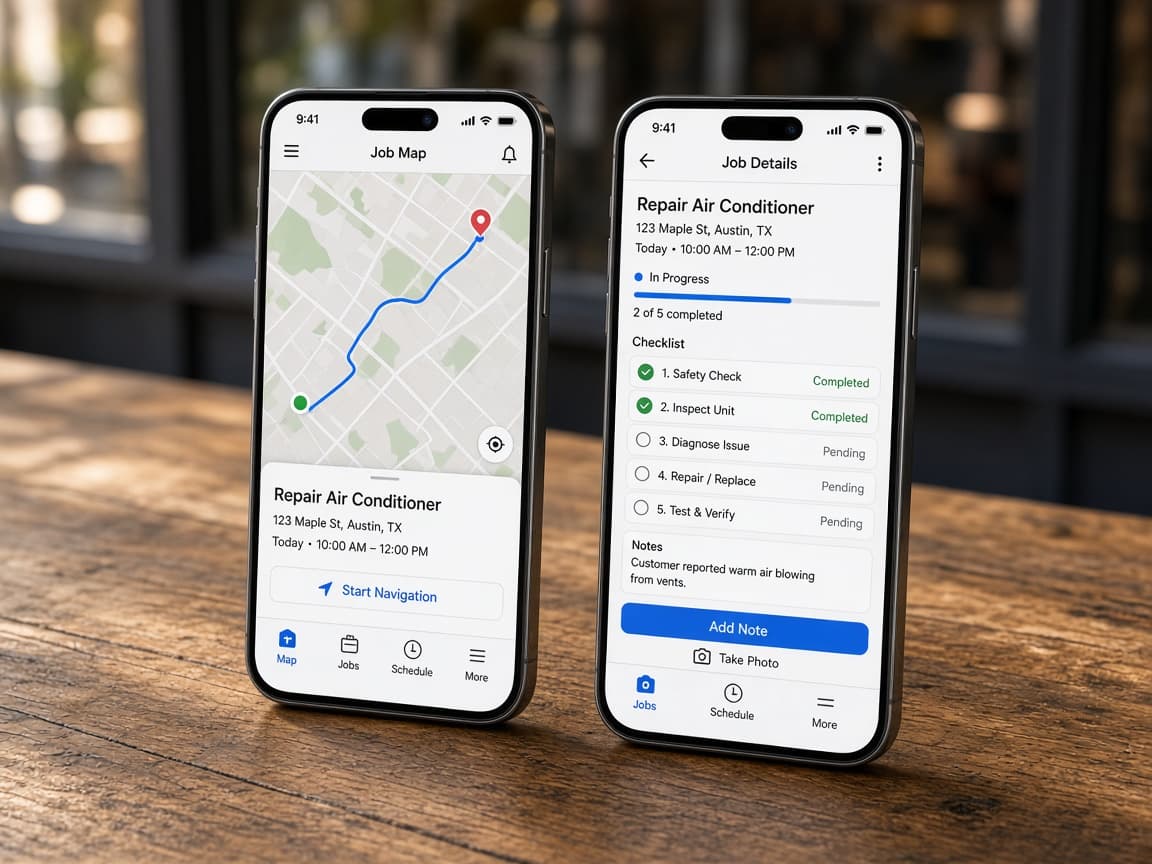
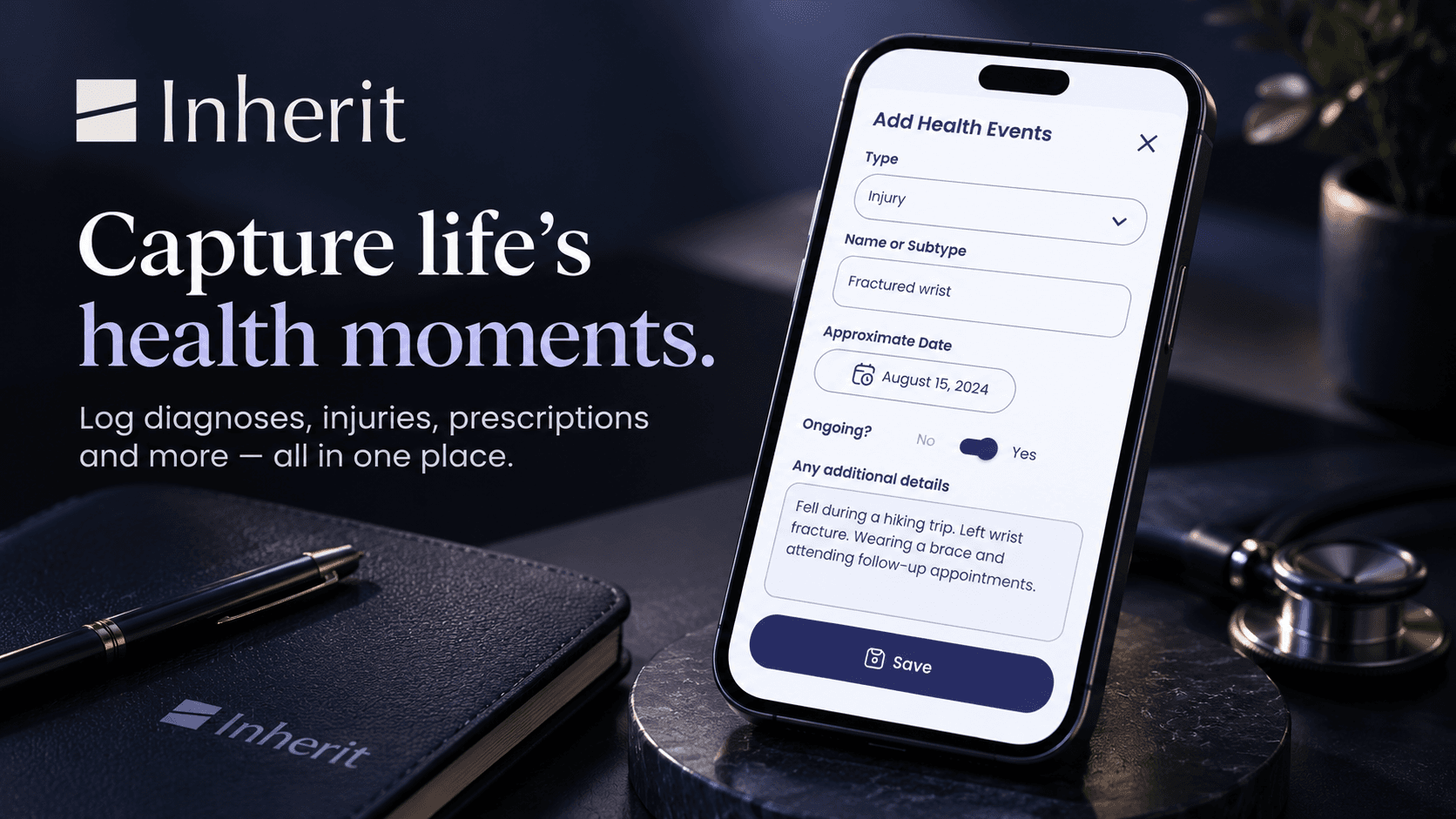
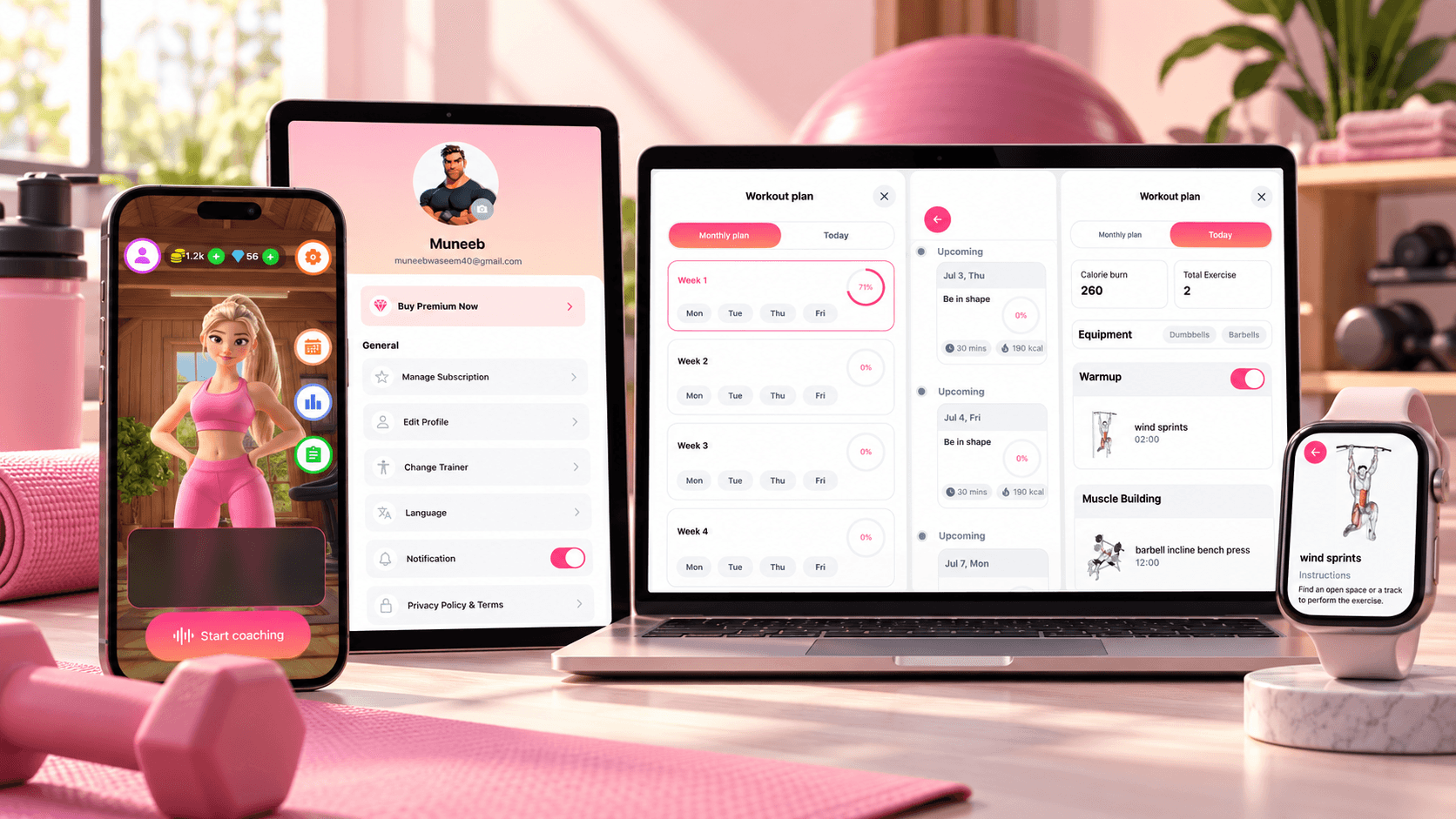
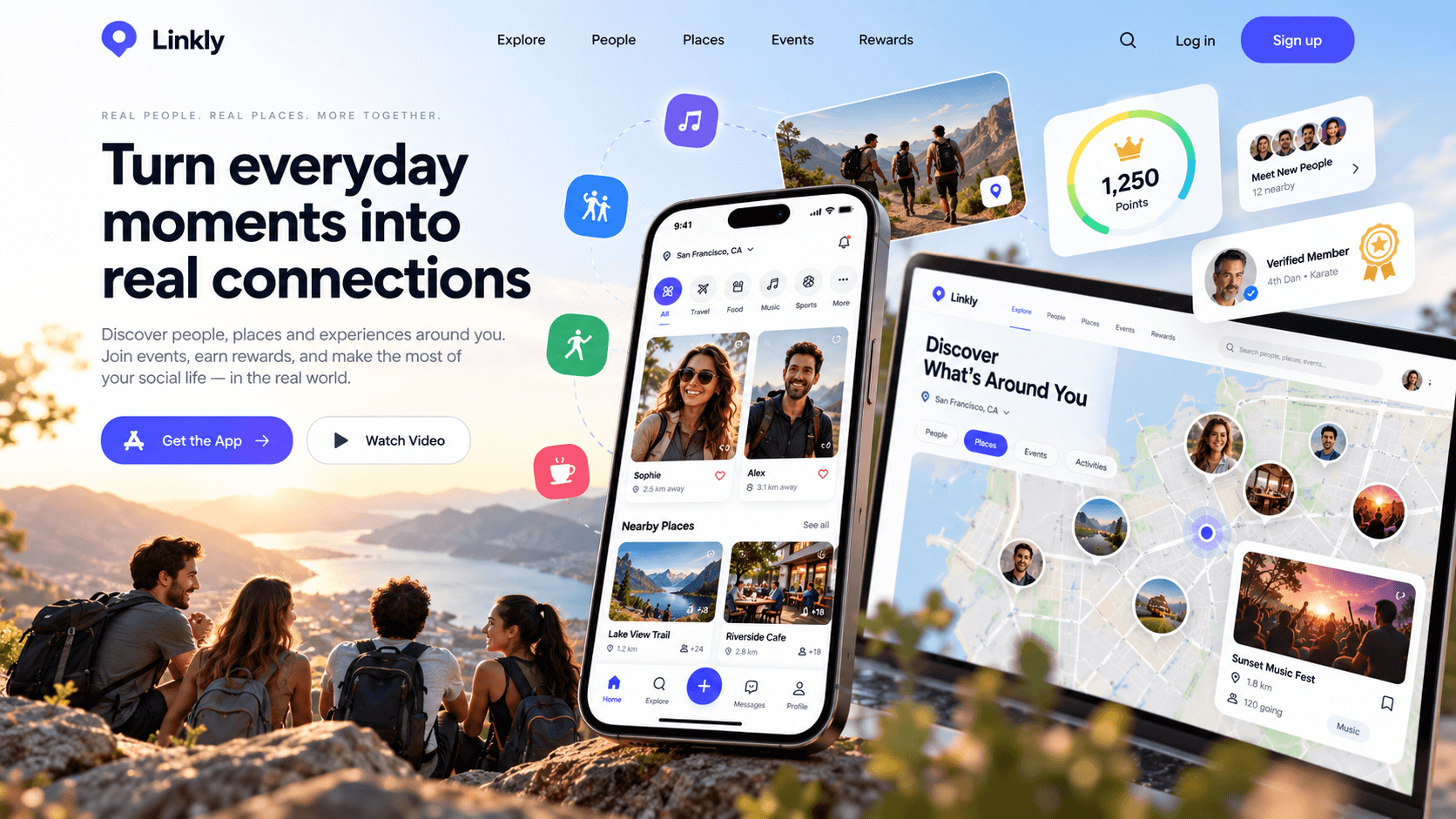
Health, fitness, booking, and social app builds with onboarding and repeat-use loops.

View mobile case studies
Outcome
A mobile product users can adopt
Mechanism
UX, backend, QA, and release in one lane
Risk reducer
Store, device, and handoff risks surfaced early
iOS + Android
Launch coverage
Backend ready
APIs and data
Store support
Submission path
Post-launch
Stabilization
Strategy call

Leave with the first move mapped.

The call is useful even if we do not build together. We use it to clarify what should happen next, what can wait, and what could make the project expensive.

Scope map
Users, systems, first release
Risk list
Unknowns to resolve early
Build path
Milestones and ownership
Range
Timeline and budget signals
Free checklist

Mobile App Launch Readiness Checklist

Check onboarding, retention, support, analytics, and store-release risks before spend turns into rework.

  • Activation loop
  • Device and store risks
  • Launch analytics
Open mobile checklist
Problems and use cases

Built for mobile moments where a web-only experience stops working.

A mobile build should only exist when the phone creates real business advantage: repeat use, device access, field speed, customer retention, or a companion layer that makes the core platform easier to use.

Customer app

The product needs repeat mobile engagement

Customers need onboarding, saved records, notifications, payments, search, booking, or account actions from their phone.

Companion app

A web platform needs a mobile layer

The backend already matters, but users need a cleaner mobile experience tied to the same roles, records, and business logic.

Field work

Staff need workflows outside the office

Field teams need forms, status updates, media capture, location, barcode scanning, or offline-tolerant workflows.

Rescue

The current app is slow or hard to maintain

The interface, architecture, release process, or dependency stack needs a cleaner version-two path.

Revenue

Payments or subscriptions need to work on mobile

The product needs purchase flows, renewals, invoices, plans, in-app behavior, or mobile-first upsell paths.

Retention

Push and saved state are part of the business model

Notifications, reminders, saved preferences, and account continuity become part of the product value.

Desired transformation

Move from app idea to a mobile product that can survive launch.

The goal is not only a polished screen set. The useful outcome is a mobile product with a coherent backend, clear release plan, usable analytics, and a support path after the first version reaches real users.

01

Cleaner onboarding and activation

02

Device-ready user experience

03

Reliable API and data handling

04

Store submission support

05

A maintainable next-release path

Service offer

A complete mobile app launch program, from scope to store.

You get product planning, mobile UX, app development, backend/API coordination, QA, release preparation, documentation, and post-launch stabilization through one accountable delivery lane.

Scoped offer

The app is scoped around the business loop.

We identify what should happen on the phone, what belongs in the backend, and what must stay visible to the business after launch.

01

Strategy

Clarify users, flows, platform needs, and first-release value.

View phase checklist
  • Discovery and app requirements
  • MVP scope and roadmap
  • User roles and journey mapping
  • Analytics and activation goals
02

Design

Shape mobile screens around speed, clarity, and device constraints.

View phase checklist
  • Mobile user flows
  • Wireframes and UI design
  • Prototype where useful
  • Responsive companion views where needed
03

Development

Build the app surface and the systems underneath it together.

View phase checklist
  • React Native, Flutter, or native implementation
  • Backend APIs and data models
  • Authentication, payments, maps, camera, push
  • Admin or portal support where needed
04

Launch

Prepare the release so the app does not fail at the final step.

View phase checklist
  • Device and functional QA
  • TestFlight and Play Store preparation
  • Deployment and monitoring guidance
  • Handover and post-launch support
Capabilities

Mobile functions that make the product useful after install.

The right mobile stack depends on product behavior, device features, maintenance needs, and whether the app is standalone or tied to an existing platform.

Mobile product design

User flow, interface, onboarding, retention, and mobile design-system decisions.

View capabilities
  • User journeys
  • Wireframes
  • Clickable prototypes
  • Mobile design systems

Application development

Cross-platform or native builds selected around product requirements.

View capabilities
  • React Native
  • Flutter
  • Native iOS
  • Native Android

Common app features

The features that often determine whether the app feels complete.

View capabilities
  • Auth
  • Payments
  • Push notifications
  • Maps and geolocation
  • Camera and media

Launch and support

Release readiness, QA, observability, and iteration after first launch.

View capabilities
  • Device QA
  • App-store prep
  • Crash monitoring
  • Version upgrades
Types of mobile products

Mobile apps we can scope and build.

The page is focused on serious mobile products, not throwaway prototypes. Each type needs its own data, support, and release plan.

01

Customer apps

Account, booking, payments, content, loyalty, or repeat-use product experiences.

02

Field-team apps

Forms, statuses, media capture, routing, scanning, and operational updates.

03

Marketplace apps

Buyer/seller flows, profiles, messaging, payment hooks, and admin controls.

04

AI-enabled apps

Coaching, search, summaries, recommendations, and assisted workflows.

05

Companion apps

Mobile extensions of an existing web platform, portal, or SaaS product.

Process

A mobile build path with fewer late surprises.

Mobile projects fail when platform, backend, device behavior, and app-store realities are treated as afterthoughts. The process keeps those decisions visible early.

01

Fit and workflow discovery

We clarify the users, business workflow, systems, constraints, and success criteria before recommending a build path.

02

Roadmap and architecture

The first release, integration boundaries, technical risks, milestones, and acceptance criteria are turned into a practical plan.

03

Design and build iterations

UX, frontend, backend, data, integrations, and QA move in visible increments with working demos at key checkpoints.

04

Launch and handover

Deployment, monitoring guidance, documentation, source-code access, and post-launch stabilization are handled before the work is closed.

Risk reducers

Controls that reduce app delivery risk.

Mobile apps carry cost, platform, release, ownership, and support risk. The engagement is shaped to surface those risks before they become expensive.

Technology stack

The stack is chosen around the product loop.

React Native, Flutter, native iOS, native Android, Next.js, Node.js, Python, Firebase, Supabase, PostgreSQL, Stripe, maps, push, analytics, and AI APIs are considered based on what the app must actually do.

React Native or Flutter for most cross-platform mobile builds.

Native iOS or Android when device-level behavior or platform depth justifies it.

Managed backends when speed and reliability beat unnecessary custom infrastructure.

Custom APIs when business rules, integrations, or data ownership require control.

Analytics events and crash monitoring so launch quality can be inspected.

Milestone-based delivery

The project is broken into decision checkpoints so scope, cost, and quality stay visible while the product is still adjustable.

Staging access

You can review working flows in a controlled environment before they reach customers, staff, or production systems.

Acceptance criteria

Important user flows, integration behavior, edge cases, and handover expectations are agreed before final sign-off.

Source-code access

Repository access and handover expectations are clarified so the product does not become trapped with the delivery team.

QA and release support

Functional testing, responsive checks, deployment support, and post-launch defect handling are treated as part of delivery.

Founder-led scoping

Senior product and engineering judgment stays close to the engagement instead of disappearing after the sales conversation.

Comparison

Why not just hire a mobile freelancer or use no-code?

Those options can work for narrow prototypes. They become risky when the app needs a real backend, store release, integrations, support, and a product plan after version one.

Product scope

User flows, backend behavior, launch needs, and success criteria are scoped together.

VS

Product scope

Screens get built before the operating model is clear.

Release readiness

QA, store preparation, deployment, and monitoring are part of delivery.

VS

Release readiness

Release details appear late and delay launch.

Ownership

Source, handover, and future releases are handled intentionally.

VS

Ownership

The app works until the next update or developer handoff.

Before you build

Reduce the mobile risks that usually surface late.

A mobile app only converts after launch if the experience, backend, device behavior, and release process work together.

01

Will app-store release slow this down?

We plan release assets, QA, TestFlight or Play Console steps, and store constraints while scope is still flexible.

02

Do we need native, Flutter, or React Native?

The stack is chosen after checking device features, performance needs, future maintenance, and budget realities.

03

What if users install it but do not return?

The scope includes the activation moment, saved state, notifications, and analytics events that prove repeat use.

FAQ

Questions buyers ask about mobile app development.

These answers reduce the practical uncertainty that usually appears before a serious service conversation.

01

Can TkTurners build both iOS and Android apps?

Yes. We can scope cross-platform or native delivery depending on device features, performance needs, budget, maintenance expectations, and release requirements.

02

Do you help with app-store submission?

Yes. App-store and Play Store preparation, release assets, QA checks, and submission support can be included in the launch plan.

03

Can the mobile app connect to my existing web platform?

Yes. We can design the app as a companion layer that connects to existing APIs, databases, CRM, ERP, payment, or admin systems.

04

Do I need complete requirements before booking?

No. The strategy call can start from an idea, prototype, current app, workflow problem, or business goal.

05

What affects mobile app cost?

Cost depends on user roles, app complexity, backend needs, integrations, device features, payment requirements, QA depth, and support expectations.

06

Can AI features be included?

Yes. AI coaching, summaries, search, recommendations, image or document handling, and workflow assistance can be included when they support the actual mobile flow.

07

Do you rescue existing apps?

Yes. Existing mobile apps can be reviewed for UX, performance, architecture, dependency, store, and maintainability issues before a repair path is proposed.

Next step

Bring the project, workflow gap, or current system to one strategy call.

We will use the conversation to understand fit, scope, risk, required systems, and the first useful release before recommending a delivery path.

Useful call inputs

  • What outcome you need
  • What systems or users are involved
  • What has already been tried