SaaS MVP development

Launch the first SaaS version worth testing.

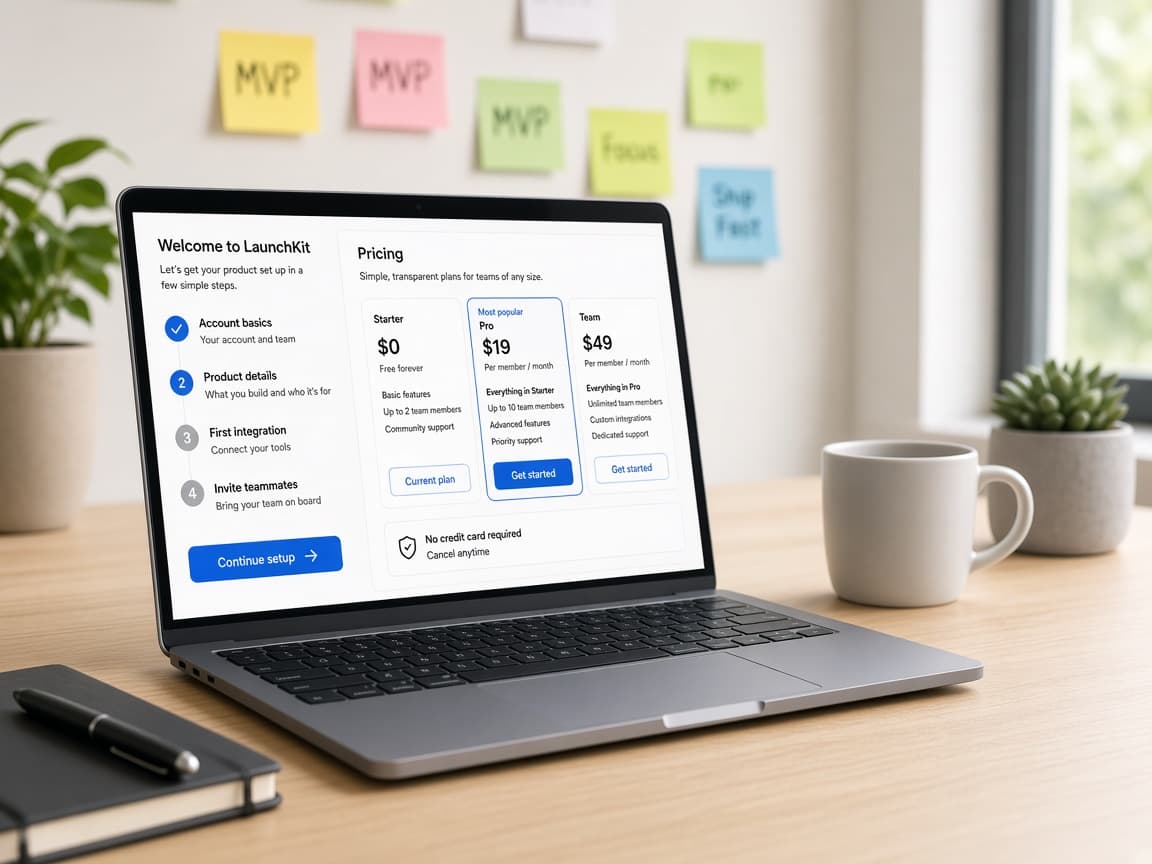
Get the smallest credible SaaS release scoped around onboarding, auth, billing, dashboards, admin control, analytics, and the next release path.

See SaaS proof
SaaS proof

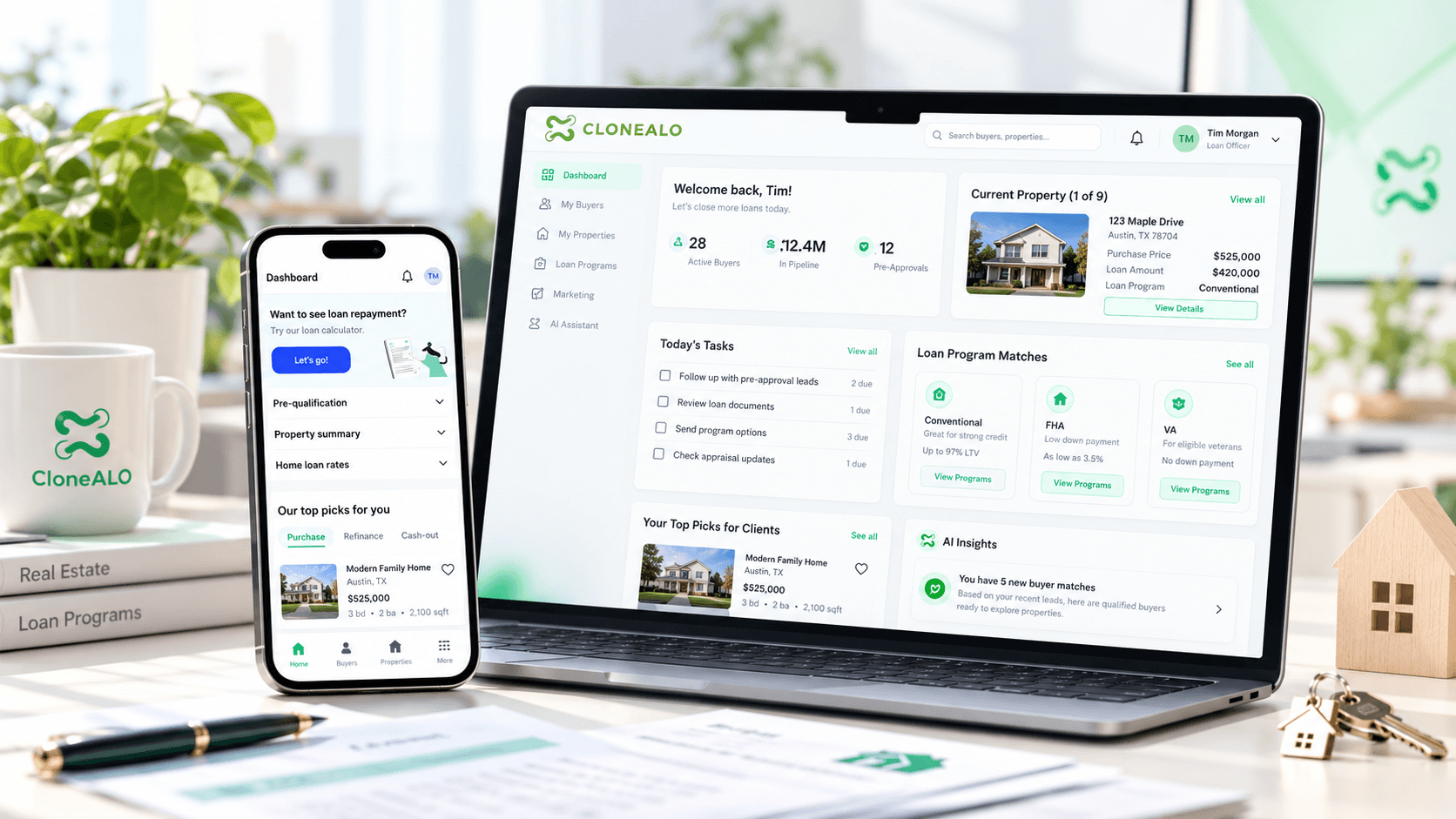
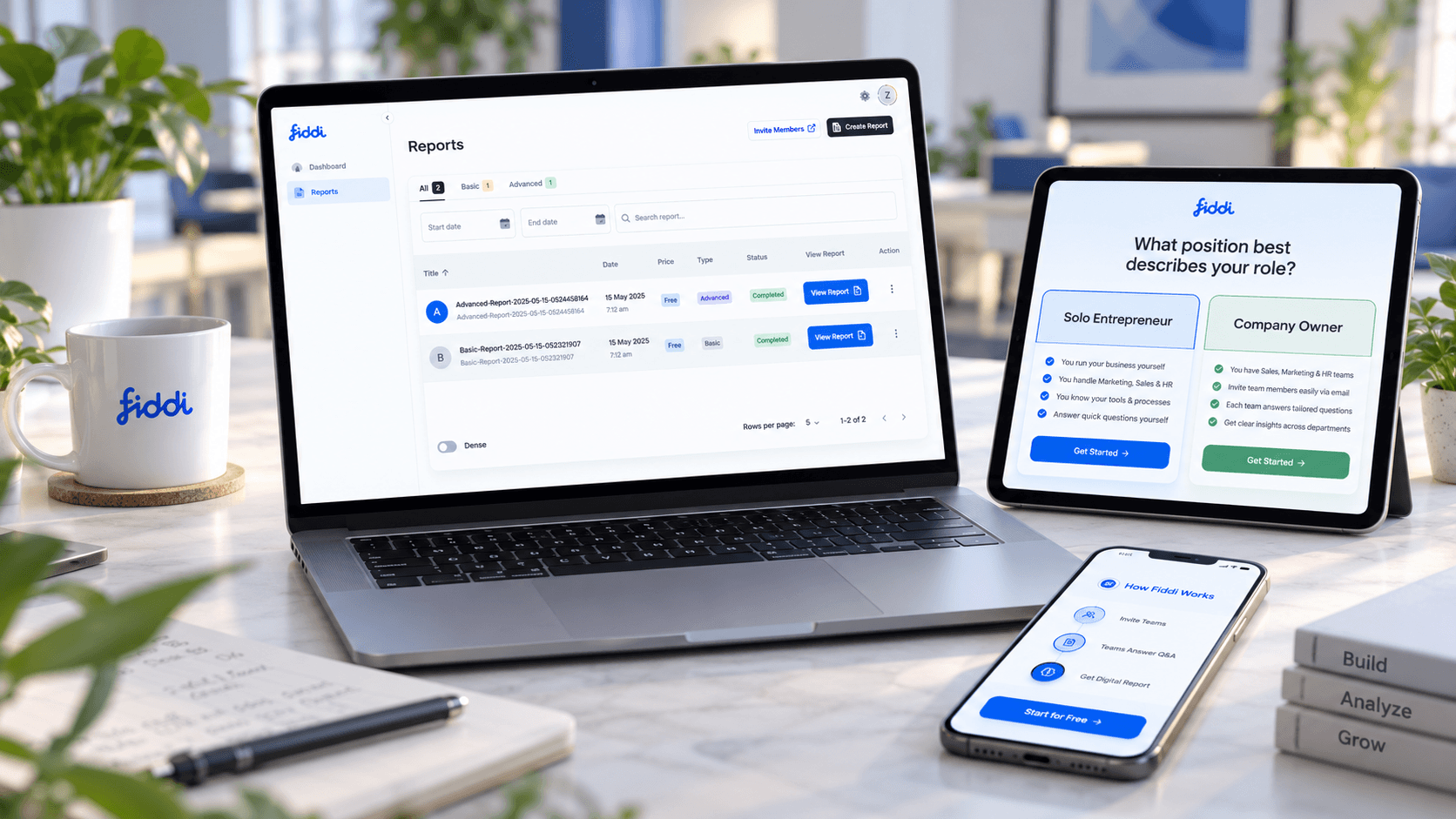
MVP, dashboard, billing, CRM, and admin systems built with launch and iteration in mind.

View SaaS proof
Outcome
A useful first release, not a bloated build
Mechanism
MVP scope, UX, core workflow, and launch plan
Risk reducer
Nice-to-have features cut before budget burns
MVP
First useful release
SaaS
Product foundation
Billing
Monetization path
Admin
Operating control
Strategy call

Leave with the first move mapped.

The call is useful even if we do not build together. We use it to clarify what should happen next, what can wait, and what could make the project expensive.

Scope map
Users, systems, first release
Risk list
Unknowns to resolve early
Build path
Milestones and ownership
Range
Timeline and budget signals
Free checklist

SaaS MVP Launch Readiness Checklist

Decide which onboarding, billing, admin, analytics, and workflow pieces belong in the first credible release.

  • First release
  • Billing path
  • Admin control
Open MVP checklist
Problems and use cases

Built for founders who need evidence, not endless scope.

A SaaS MVP should prove the core workflow, not imitate a mature platform. The goal is to launch the smallest credible product that can teach the business what to build next.

Idea

The SaaS concept needs a buildable plan

The product needs roles, workflows, pricing, data, and technical boundaries before engineering starts.

Prototype

The prototype needs to become real software

The clickable demo needs auth, data, billing hooks, admin controls, QA, and deployment.

Billing

Revenue paths must be present early

Plans, checkout, invoices, subscription state, and account limits need to be designed with the MVP.

Admin

The team needs to operate the product

Admins need user management, content control, moderation, support visibility, or reporting.

Validation

The first release must create learning

Analytics, feedback loops, activation, and retention signals need to be inspectable.

Scale

The MVP cannot be a dead end

Architecture should support the next release without overbuilding every future feature now.

Desired transformation

Move from loose SaaS idea to a focused first release.

The outcome is a usable MVP with the core product loop working, enough operating control to support customers, and enough instrumentation to know what to improve next.

01

Clear MVP scope

02

Subscription-ready foundation

03

Admin control

04

Launchable product workflow

05

Next-release roadmap

Service offer

A SaaS MVP launch sprint, from roadmap to first release.

The engagement can include product scoping, UX, technical architecture, frontend, backend, database, auth, subscriptions, admin, integrations, QA, deployment, and post-launch stabilization.

Scoped offer

The MVP is scoped around proof of the core workflow.

We separate must-have product proof from nice-to-have platform maturity so the first release can launch without becoming fragile.

01

MVP strategy

Define the users, core promise, and smallest credible workflow.

View phase checklist
  • MVP workshop
  • Feature prioritization
  • User roles
  • Roadmap
02

SaaS foundation

Plan the account, billing, and operating model.

View phase checklist
  • Auth
  • Plans
  • Billing hooks
  • Admin controls
03

Product build

Build the workflow, dashboard, data, and integrations.

View phase checklist
  • Frontend
  • Backend
  • Database
  • APIs
04

Launch

Ship, stabilize, and prepare the next release.

View phase checklist
  • QA
  • Deployment
  • Analytics
  • Support
Capabilities

The SaaS foundation that prevents version one from collapsing.

Early SaaS products need just enough structure to sell, support, learn, and iterate without drowning in premature complexity.

Product scope

First-release definition and workflow clarity.

View capabilities
  • MVP roadmap
  • User stories
  • Acceptance criteria
  • Analytics plan

SaaS infrastructure

Account and revenue foundations.

View capabilities
  • Authentication
  • Roles
  • Subscriptions
  • Billing events

Product experience

The screens users and admins need.

View capabilities
  • Dashboard
  • Onboarding
  • Admin portal
  • Public pages

Launch support

The details that make the first release usable.

View capabilities
  • QA
  • Deployment
  • Monitoring
  • Documentation
SaaS MVP types

SaaS products we can help launch.

The structure adapts to the business model and the workflow being validated.

01

Vertical SaaS MVPs

Focused products for a specific industry, role, or operating workflow.

02

Internal-tool-to-SaaS products

Turning a proven internal workflow into a product customers can use.

03

AI SaaS products

Report builders, copilots, assistants, and automation-backed SaaS experiences.

04

Marketplace MVPs

Buyer/seller, booking, listing, payments, profile, and admin workflows.

05

Portal MVPs

Customer, partner, vendor, or staff portals with account structure and workflow visibility.

Process

A SaaS MVP process that protects momentum.

The process keeps scope small enough to launch while still building the product foundation needed for real users.

01

Fit and workflow discovery

We clarify the users, business workflow, systems, constraints, and success criteria before recommending a build path.

02

Roadmap and architecture

The first release, integration boundaries, technical risks, milestones, and acceptance criteria are turned into a practical plan.

03

Design and build iterations

UX, frontend, backend, data, integrations, and QA move in visible increments with working demos at key checkpoints.

04

Launch and handover

Deployment, monitoring guidance, documentation, source-code access, and post-launch stabilization are handled before the work is closed.

Risk reducers

Controls that keep the MVP focused and sellable.

The main MVP risk is overbuilding before proof or underbuilding the foundation needed to support users. The engagement balances both.

Technology stack

SaaS stack decisions based on launch speed and maintainability.

Common options include Next.js, React, TypeScript, Node.js, Python, PostgreSQL, Supabase, Firebase, Stripe, Clerk/Auth.js, Cloudinary, OpenAI, serverless infrastructure, and analytics.

Managed auth and payments when speed matters.

Custom backend services when workflow rules need control.

PostgreSQL or managed databases for structured SaaS records.

Analytics and event tracking for activation and retention learning.

AI APIs when the product promise depends on intelligence.

Milestone-based delivery

The project is broken into decision checkpoints so scope, cost, and quality stay visible while the product is still adjustable.

Staging access

You can review working flows in a controlled environment before they reach customers, staff, or production systems.

Acceptance criteria

Important user flows, integration behavior, edge cases, and handover expectations are agreed before final sign-off.

Source-code access

Repository access and handover expectations are clarified so the product does not become trapped with the delivery team.

QA and release support

Functional testing, responsive checks, deployment support, and post-launch defect handling are treated as part of delivery.

Founder-led scoping

Senior product and engineering judgment stays close to the engagement instead of disappearing after the sales conversation.

Comparison

Why not hire separately for design, backend, frontend, and QA?

Fragmented MVP teams can ship screens, but the product often loses coherence. The early release needs one team thinking through the whole product loop.

Scope control

MVP priorities, workflows, and acceptance criteria are kept together.

VS

Scope control

Each vendor builds their slice and the MVP grows sideways.

SaaS foundation

Auth, billing, admin, analytics, and support needs are planned early.

VS

SaaS foundation

Critical product infrastructure is discovered late.

Iteration path

The next release is shaped by launch learning.

VS

Iteration path

The MVP becomes hard to change because it was not scoped as a product system.

Before you build

Keep the first SaaS release narrow enough to learn.

The first version should prove the business workflow, not absorb every future feature idea.

01

How do we avoid building too much?

We scope the smallest credible product around activation, paid access, core workflow, and admin control.

02

Should billing be in version one?

If pricing or access affects validation, we plan it early. If not, we keep it out until the signal matters.

03

What if the MVP needs to change after launch?

The roadmap includes analytics, feedback points, and a next-release path so learning can turn into action.

FAQ

Questions buyers ask about saas mvp development.

These answers reduce the practical uncertainty that usually appears before a serious service conversation.

01

What should a SaaS MVP include?

A SaaS MVP usually includes the core user workflow, onboarding, authentication, account structure, dashboard, admin control, payment or subscription planning, analytics, QA, and deployment.

02

Can TkTurners help reduce MVP scope?

Yes. Scope reduction is a major part of the engagement. The first release should prove the product promise without trying to include every future feature.

03

Can you add Stripe or subscription billing?

Yes. Stripe, subscriptions, checkout flows, invoices, plan state, and account limits can be included when they are part of the business model.

04

Can AI be part of the SaaS MVP?

Yes. AI features can be included when they support the core workflow and can be evaluated properly.

05

Do you work with existing prototypes?

Yes. We can start from a Figma file, written brief, no-code prototype, existing codebase, or loose product idea.

06

What happens after the MVP launches?

Post-launch support can include defect fixes, monitoring guidance, analytics review, backlog refinement, and planning the next release.

07

How long does a SaaS MVP take?

Timeline depends on scope, roles, integrations, billing, AI features, and QA needs. We avoid fixed promises before discovery.

Next step

Bring the project, workflow gap, or current system to one strategy call.

We will use the conversation to understand fit, scope, risk, required systems, and the first useful release before recommending a delivery path.

Useful call inputs

  • What outcome you need
  • What systems or users are involved
  • What has already been tried