Desktop and kiosk development

Build desktop and kiosk apps that stay controlled.

Plan installed, offline-friendly, device-connected, or kiosk workflows with packaging, signing, updates, QA, and support path handled early.

See desktop proof
Device workflow proof

Installed, viewer, station, and device-linked workflows planned around permissions and controlled release.

View device software proof
Outcome
Installed workflows users can rely on
Mechanism
Desktop UX, device context, packaging, and updates
Risk reducer
Release, offline, and hardware constraints surfaced early
Desktop
Mac, Windows, Linux
Kiosk
Controlled workflows
Offline
Local-first options
Updates
Release discipline
Strategy call

Leave with the first move mapped.

The call is useful even if we do not build together. We use it to clarify what should happen next, what can wait, and what could make the project expensive.

Scope map
Users, systems, first release
Risk list
Unknowns to resolve early
Build path
Milestones and ownership
Range
Timeline and budget signals
Free checklist

Desktop and Kiosk Launch Readiness Checklist

Review offline behavior, device access, updates, signing, operator flow, and support before an installed app build.

  • Install path
  • Device access
  • Update rules
Open desktop checklist
Problems and use cases

Built for workflows that should not depend on a normal browser tab.

Desktop and kiosk apps make sense when users need local behavior, device control, constrained UX, controlled hardware, or a release model that fits installed software.

Desktop

Users need installed software

The product needs file access, local workflows, background behavior, native menus, or a controlled desktop experience.

Kiosk

The workflow runs on a shared station

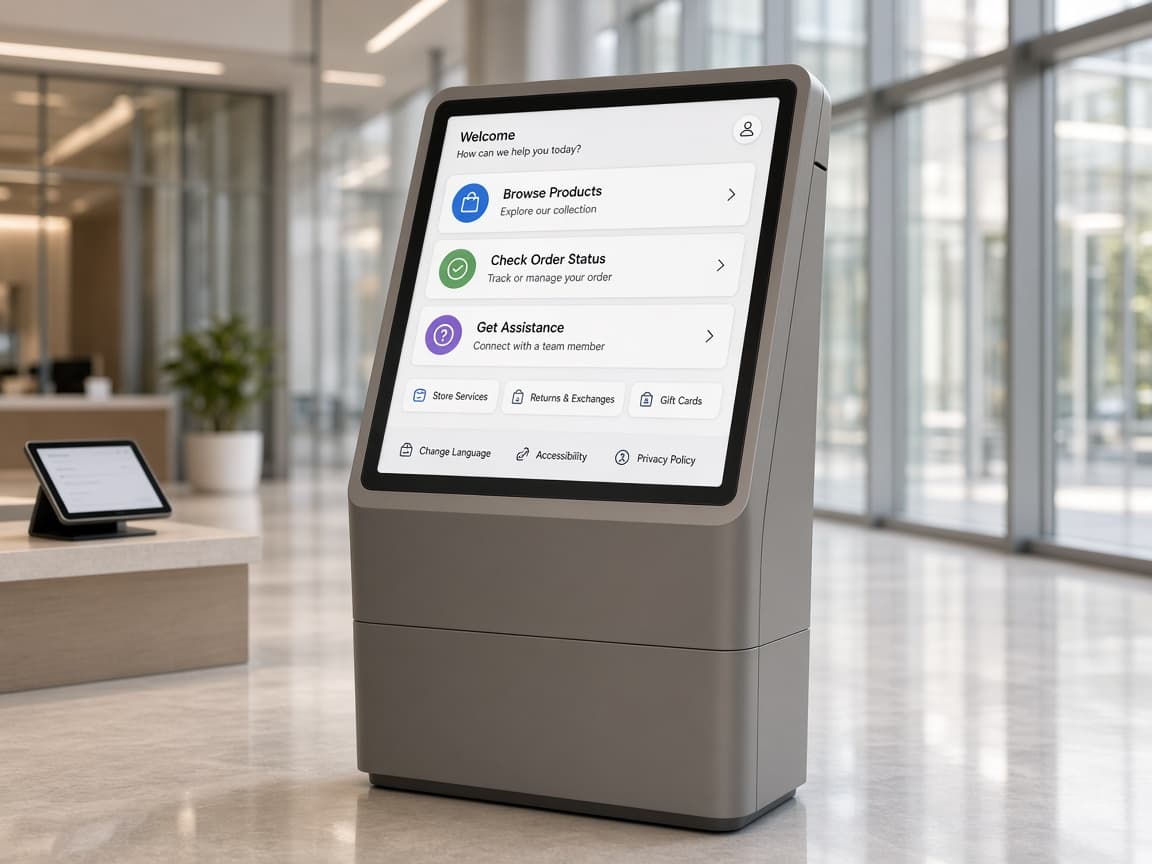
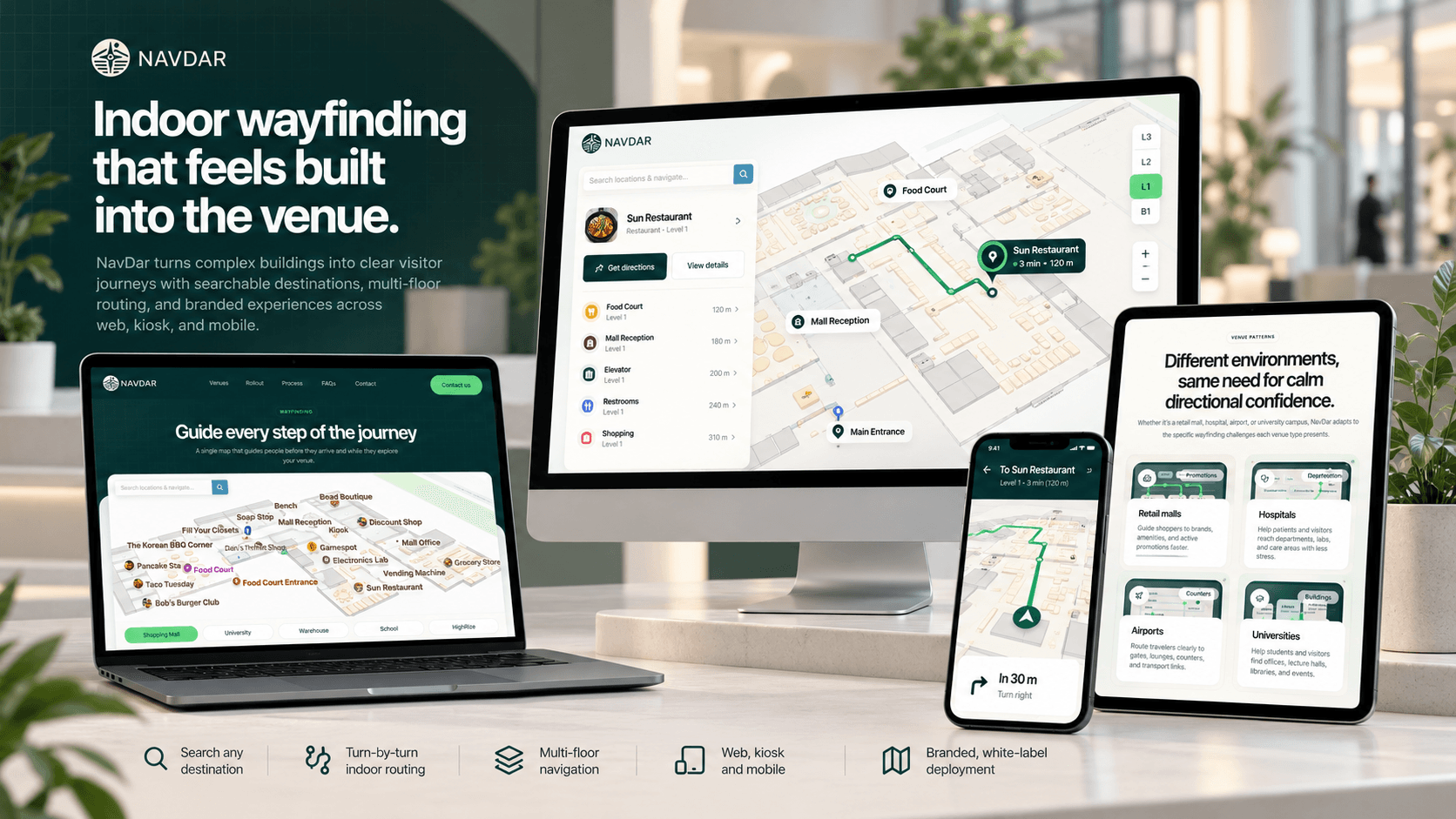
Visitors, staff, or customers need a locked-down interface for check-in, wayfinding, ordering, training, or data capture.

Offline

The workflow cannot rely on constant connectivity

Local data, caching, sync, and resilience matter because the operating environment is not always online.

Packaging

Release details are blocking launch

Installers, signing, notarization, auto updates, and platform QA need a clear path.

Internal tool

Staff need focused workstations

The business needs a tool with fewer distractions and tighter control than a browser-based app.

Rescue

An existing desktop app is hard to ship

Packaging, performance, update flow, dependencies, or platform-specific issues need repair.

Desired transformation

Move from fragile workstation work to controlled software delivery.

The outcome is an installed or kiosk-ready application with clearer device behavior, release packaging, QA, support, and future update planning.

01

Controlled user flow

02

Cross-platform release path

03

Offline-ready behavior

04

Device-aware QA

05

Update and support plan

Service offer

A desktop and kiosk delivery lane from UX to release.

The engagement can include workflow mapping, desktop or kiosk UX, Electron or native app implementation, backend/API sync, packaging, signing, installers, updates, QA, documentation, and support.

Scoped offer

Installed apps need release engineering from the start.

We treat packaging, platform behavior, device constraints, and updates as product requirements, not afterthoughts.

01

Workflow and device map

Define environment, users, hardware, and network realities.

View phase checklist
  • Device context
  • User mode
  • Offline needs
  • Security rules
02

UX and architecture

Design the station, desktop, or installed workflow.

View phase checklist
  • Kiosk UX
  • Desktop shell
  • Local storage
  • Sync behavior
03

Build

Implement app behavior and system connections.

View phase checklist
  • Electron/native app
  • APIs
  • Local state
  • Device features
04

Release

Prepare installation, signing, updates, and support.

View phase checklist
  • Installers
  • Code signing
  • Auto updates
  • QA matrix
Capabilities

Desktop and kiosk capabilities for production use.

Installed software needs a different quality bar than a normal web page, especially around devices, updates, and support.

Desktop apps

Cross-platform app surfaces for focused workflows.

View capabilities
  • Electron
  • Native wrappers
  • Menus
  • File access

Kiosk workflows

Locked-down or guided station experiences.

View capabilities
  • Touch UI
  • Check-in
  • Wayfinding
  • Visitor flows

Local and sync

Local state and data movement for unreliable networks.

View capabilities
  • Offline mode
  • Caching
  • Sync
  • Conflict handling

Release engineering

Packaging details required for installed software.

View capabilities
  • Signing
  • Notarization
  • Installers
  • Auto updates
App types

Desktop and kiosk products we can scope.

The delivery can be standalone, connected to a backend, or paired with an existing web platform.

01

Electron desktop apps

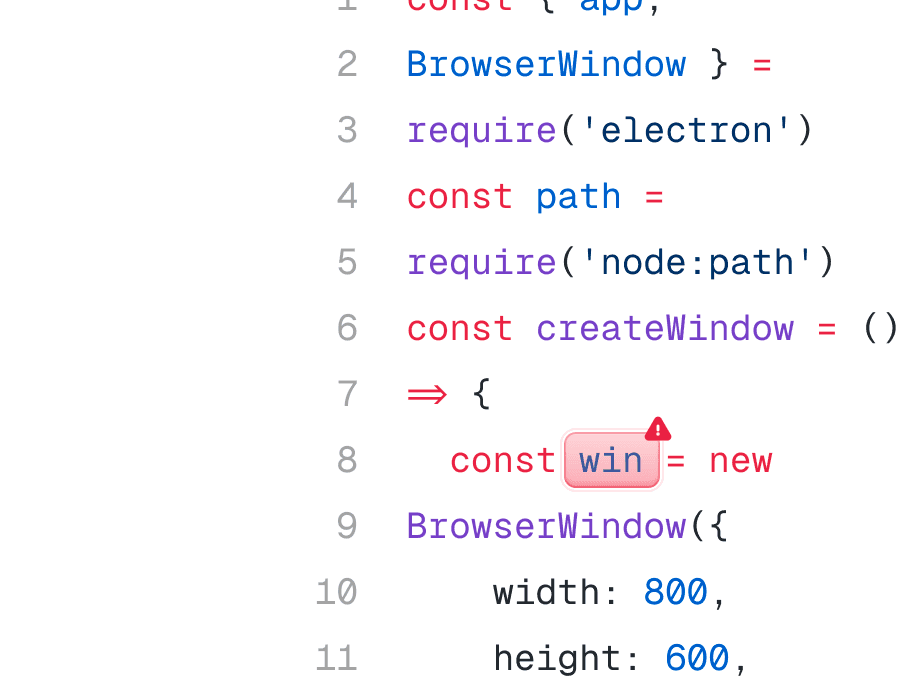
Cross-platform apps with web technology, packaging, signing, and updates.

02

Kiosk interfaces

Touch-friendly, guided, or locked-down workflows for shared stations.

03

Internal desktop tools

Focused staff tools with local behavior, file workflows, or device access.

04

Viewer and workstation apps

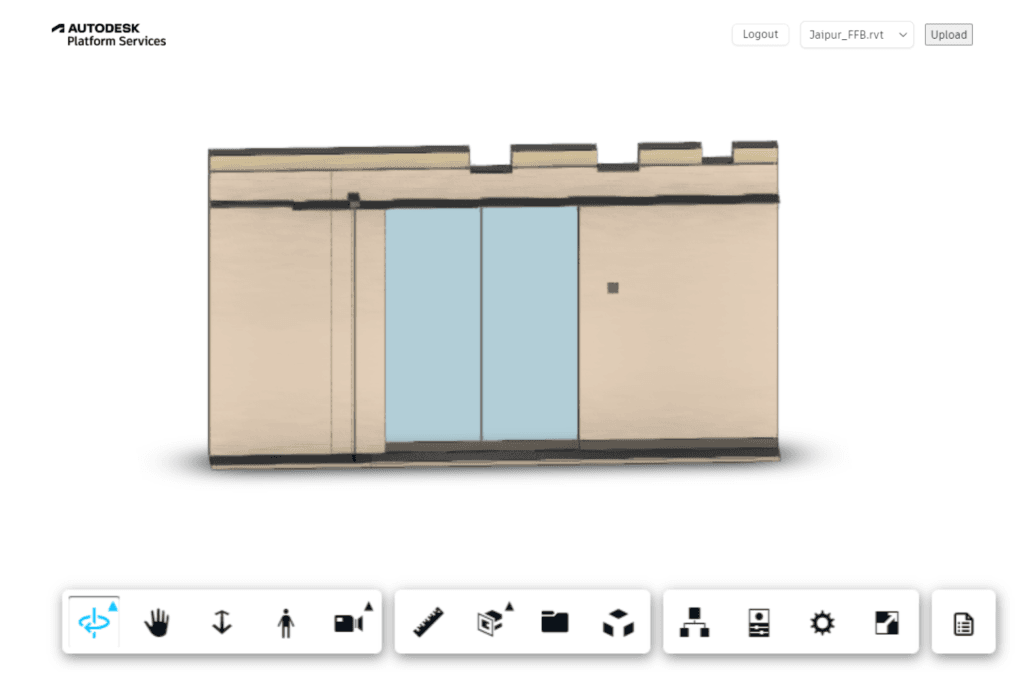
Technical review tools for files, models, dashboards, and controlled workflows.

05

Desktop companions

Installed companions for an existing SaaS, portal, or operating workflow.

Process

A release process that accounts for devices.

Desktop and kiosk projects need early decisions around device environment, updates, packaging, offline behavior, and support.

01

Fit and workflow discovery

We clarify the users, business workflow, systems, constraints, and success criteria before recommending a build path.

02

Roadmap and architecture

The first release, integration boundaries, technical risks, milestones, and acceptance criteria are turned into a practical plan.

03

Design and build iterations

UX, frontend, backend, data, integrations, and QA move in visible increments with working demos at key checkpoints.

04

Launch and handover

Deployment, monitoring guidance, documentation, source-code access, and post-launch stabilization are handled before the work is closed.

Risk reducers

Controls that reduce installed-software risk.

Installed apps carry extra risk around platform differences, updates, device constraints, and support. The engagement makes those explicit.

Technology stack

Desktop stack selected around device and release requirements.

Common options include Electron, React, TypeScript, Next.js where appropriate, native modules, local storage, SQLite, backend APIs, update services, code signing, notarization, installers, and monitoring.

Electron when cross-platform speed and web skills fit the product.

Native modules when device features require deeper access.

Local storage and sync for unreliable network environments.

Signing and notarization planned before launch.

QA matrix across target operating systems and devices.

Milestone-based delivery

The project is broken into decision checkpoints so scope, cost, and quality stay visible while the product is still adjustable.

Staging access

You can review working flows in a controlled environment before they reach customers, staff, or production systems.

Acceptance criteria

Important user flows, integration behavior, edge cases, and handover expectations are agreed before final sign-off.

Source-code access

Repository access and handover expectations are clarified so the product does not become trapped with the delivery team.

QA and release support

Functional testing, responsive checks, deployment support, and post-launch defect handling are treated as part of delivery.

Founder-led scoping

Senior product and engineering judgment stays close to the engagement instead of disappearing after the sales conversation.

Comparison

Why not just use a responsive web app?

A responsive web app is often enough. Desktop or kiosk delivery becomes useful when installed behavior, device control, local workflows, or controlled stations are the point.

Environment control

Designed around devices, OS behavior, and station context.

VS

Environment control

Browser behavior limits the workflow.

Release path

Installers, signing, updates, and QA are part of delivery.

VS

Release path

Release engineering appears after the app is built.

User focus

The app can constrain distractions and guide the station workflow.

VS

User focus

Users remain in a general browser environment.

Before you build

Control the installed environment before launch day.

Desktop and kiosk software needs packaging, permissions, hardware assumptions, and update behavior planned early.

01

Will it work offline or on locked-down devices?

We define local data, sync recovery, device permissions, and operating constraints before implementation.

02

How do updates reach every machine?

Packaging, signing, distribution, versioning, and rollback expectations are included in release planning.

03

What if operators get stuck in the kiosk flow?

We plan restart, admin access, support handoff, and recovery paths for real-world usage.

FAQ

Questions buyers ask about desktop and kiosk development.

These answers reduce the practical uncertainty that usually appears before a serious service conversation.

01

Can TkTurners build Electron apps?

Yes. TkTurners has a dedicated Electron Desktop Apps service and can scope cross-platform desktop builds for macOS, Windows, and Linux.

02

Can you build kiosk applications?

Yes. We can scope kiosk workflows for shared stations, touch interfaces, guided flows, visitor actions, staff tools, or venue workflows.

03

Can desktop apps work offline?

Offline behavior can be designed when local state, caching, sync rules, and conflict handling are planned.

04

Do you handle packaging and signing?

Yes. Installers, code signing, notarization, release channels, and update behavior can be included in the delivery plan.

05

Can a desktop app connect to our web platform?

Yes. Desktop apps can connect to existing APIs, CRMs, ERPs, file systems, auth providers, and backend services.

06

What affects desktop or kiosk app cost?

Cost depends on platform targets, device features, offline behavior, integrations, packaging, signing, QA matrix, and support expectations.

07

Can you rescue an existing desktop app?

Yes. We can review packaging, performance, updates, dependencies, platform issues, security, and maintainability before proposing a fix.

Next step

Bring the project, workflow gap, or current system to one strategy call.

We will use the conversation to understand fit, scope, risk, required systems, and the first useful release before recommending a delivery path.

Useful call inputs

  • What outcome you need
  • What systems or users are involved
  • What has already been tried