Design return intake around the customer question: can this order be returned and what happens next?
All case studiesFlagship case study
Shopify Return App Workflow Implementation
The Shopify Return App shows why return handling needs a real workflow when a merchant outgrows manual support threads. The implementation value is in clearer customer requests, merchant review, rule handling, and repeatable status management.
Business problem
The operating problem behind the build
Returns create friction for both customers and operators when request intake, eligibility, status, and resolution are handled manually. The result is extra support load, inconsistent decisions, and low visibility into what is happening.
Implementation decisions
What mattered in the system design
Give merchants a clear review surface for return state and next actions.
Keep return logic structured enough to evolve with product, order, and policy rules.
Make the workflow easy to understand before adding advanced automation.
Build vs buy
When to buy a tool and when to build
Buy when
The merchant can use a standard returns app with default policies.
Return volume is low and exceptions are rare.
The workflow does not need custom operational rules or deep integration.
Build when
Return policy, review, status, or customer communication needs are specific to the business.
The merchant needs return workflows to connect with inventory, support, or reporting.
Existing apps force awkward workarounds or create extra manual review.
Mistakes to avoid
Practical risks this case study helps prevent
Starting with automation before clarifying return policy and exception rules.
Making the customer experience depend on support follow-up for basic status.
Ignoring merchant review workflows and admin usability.
Treating returns as separate from inventory and customer experience.
Planning assets
Use the guide and checklist before scoping a similar build
Internal proof cluster
Related proof and next steps
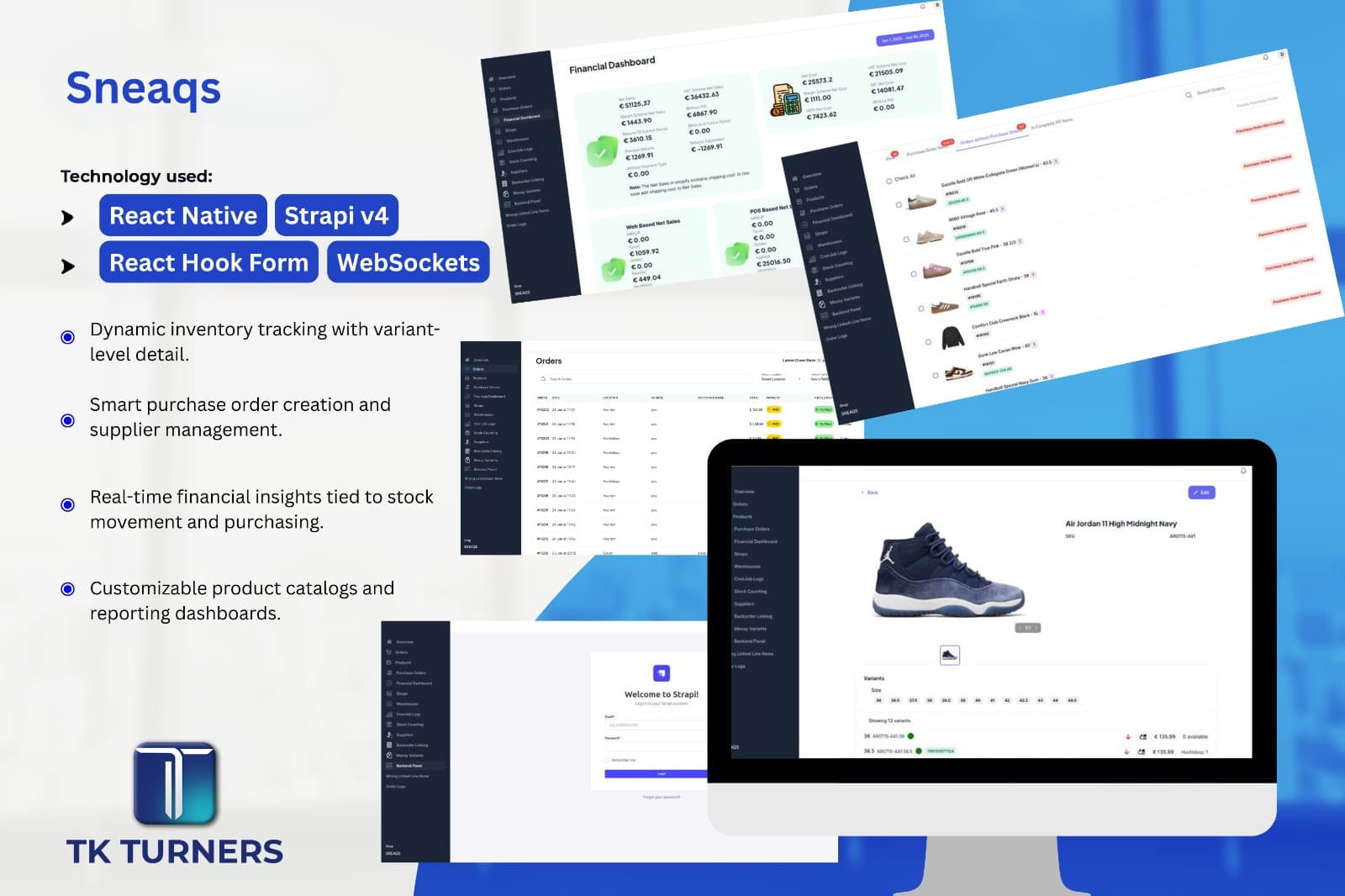
Sneaqa
Sneaqs is a powerful web application designed to streamline stock management, financial tracking, and inventory control for businesses.
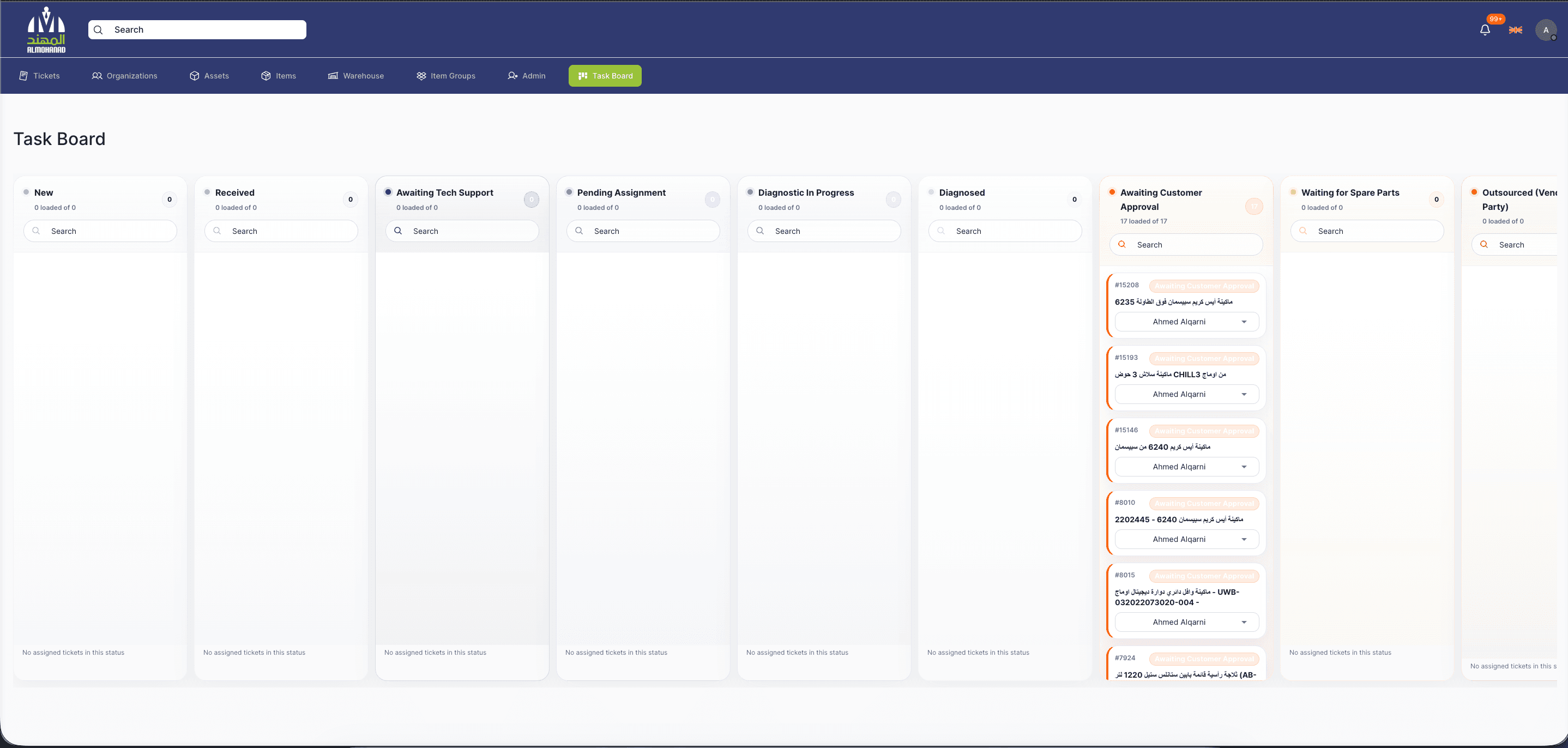
Service Management Software
Service Management Software is a full-stack operations platform for managing service tickets, customer organizations, assets, appointments, SLAs, technicians, inventory, warehouses, notifications, and audit history from...
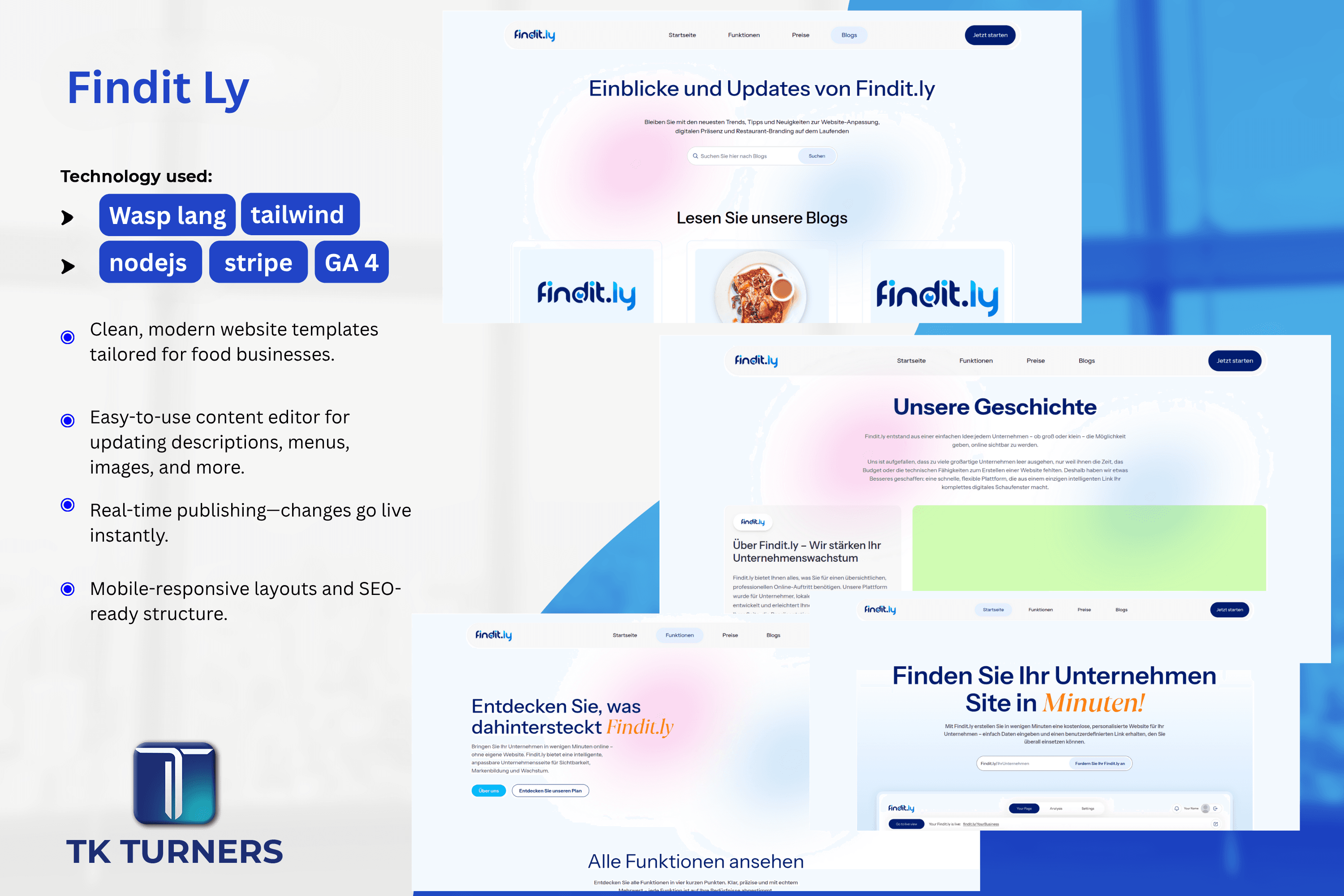
Findit LY
FindIt is a dynamic web platform that empowers restaurant owners to create and manage their own customized websites—without needing any technical skills.
Search questions
Questions this page helps answer
When does a merchant need a custom Shopify return app?
A custom return app is useful when standard return tools cannot support the merchant's policy, workflow, customer experience, or internal review process.
What should a Shopify returns workflow include?
It should include request intake, eligibility checks, merchant review, customer status, resolution steps, and a way to inspect exceptions.
Can return workflows connect to inventory systems?
Yes. Returns often affect stock, fulfillment, support, and reporting, so the workflow should be designed with those downstream systems in mind.
Should returns be automated completely?
Not always. Many merchants need automation for routine cases and human review for exceptions, high-value orders, fraud risk, or policy edge cases.