Structure venue data before designing the visible map experience.
All case studiesFlagship case study
Indoor Navigation and Wayfinding Platform
Indoor Navigation is a useful case study for teams building location-aware products because it shows how maps, destinations, routes, dashboards, and venue management need to work together. The value is not the map alone; it is the operating system around keeping indoor guidance useful.
Business problem
The operating problem behind the build
Large buildings and campuses create navigation problems that outdoor maps cannot solve. Visitors need clear routes, while venue teams need a way to maintain floors, points of interest, destination data, and changes over time.
Implementation decisions
What mattered in the system design
Plan for multi-floor routing and destination context from the start.
Give venue operators a maintainable workflow for map and location updates.
Keep visitor guidance simple enough for high-pressure real-world use.
Build vs buy
When to buy a tool and when to build
Buy when
The venue can use a standard map product with minimal customization.
Destinations rarely change and multi-floor logic is not complex.
The business does not need custom dashboards or visitor workflows.
Build when
The venue experience, routing logic, data model, or admin workflow is unique.
The platform must support multiple buildings, floors, roles, or integrations.
Wayfinding is part of a broader customer, campus, hospital, event, or facility workflow.
Mistakes to avoid
Practical risks this case study helps prevent
Designing the map before defining the venue data model.
Ignoring how operators will update destinations and routes.
Making the user interface too detailed for visitors who need fast guidance.
Treating multi-floor navigation as a later enhancement.
Planning assets
Use the guide and checklist before scoping a similar build
Internal proof cluster
Related proof and next steps
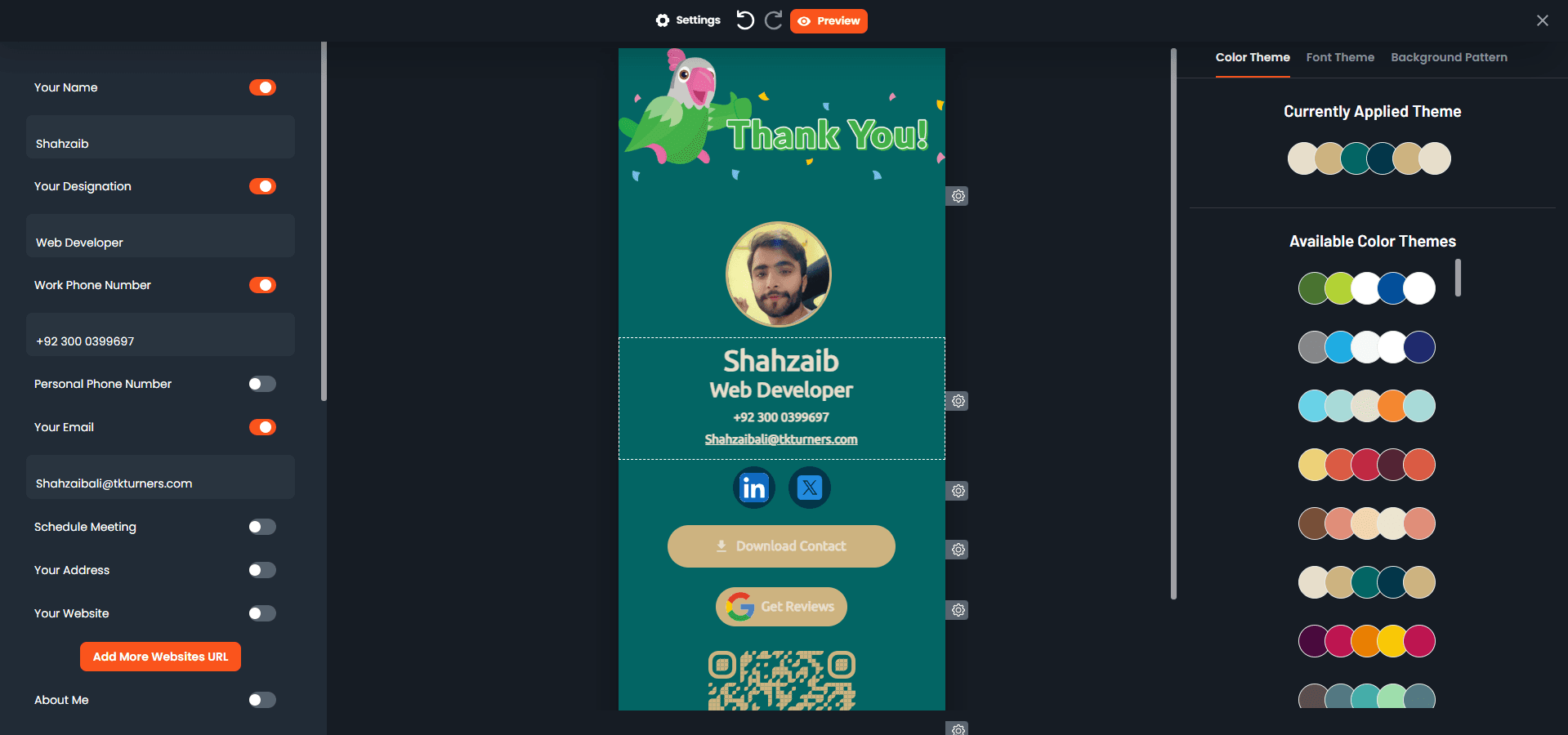
Stack Digital Card
Stack Digital Card was developed as a modern digital business card platform that allowed professionals, teams, and businesses to create shareable online profiles.
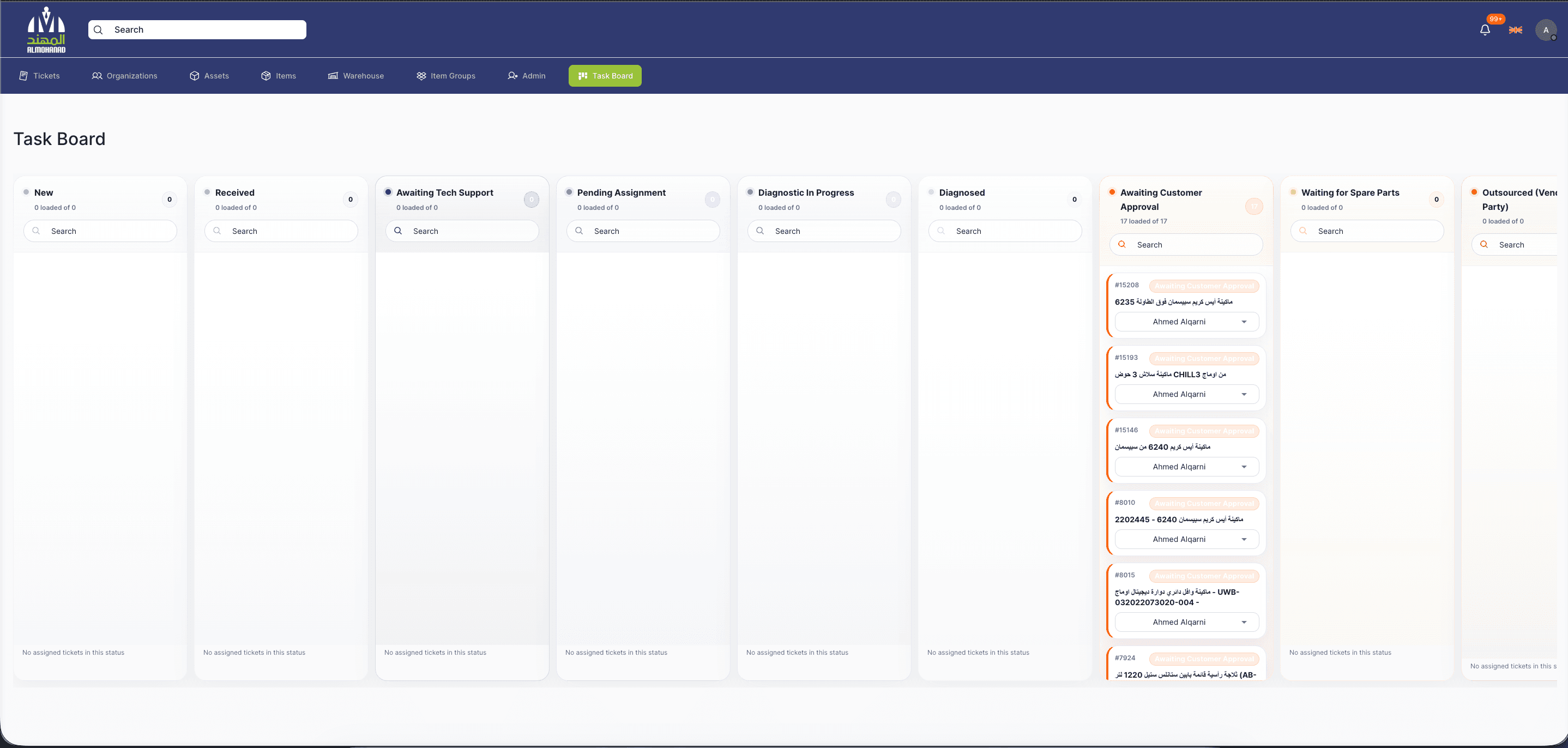
Service Management Software
Service Management Software is a full-stack operations platform for managing service tickets, customer organizations, assets, appointments, SLAs, technicians, inventory, warehouses, notifications, and audit history from...
Third Place
Connect with like-minded individuals on our social app, designed for both Apple and Android users.
Search questions
Questions this page helps answer
What makes indoor navigation different from outdoor maps?
Indoor navigation must handle floors, rooms, entrances, landmarks, restricted areas, and venue-specific data that outdoor map systems usually do not model well.
When should a venue build a custom wayfinding platform?
A custom platform makes sense when the venue has complex routing, multiple floors, frequent updates, branded experience needs, or operational workflows around visitor movement.
What should be planned before building indoor maps?
Plan floor data, points of interest, route rules, accessibility needs, update ownership, and how visitors will search for destinations.
Can indoor wayfinding connect to other systems?
Yes. It can connect to directories, room booking, event systems, facility tools, kiosks, mobile apps, and analytics depending on the venue workflow.