Operational checklist
Inventory System Requirements Checklist
Operations teams planning custom stock or inventory management systems. Use this checklist to clarify the operating model before building inventory software. The strongest systems start with stock states, ownership, exception handling, and source-of-truth decisions.

Checklist
- Define product records and required attributes.
- List stock states and what each one means operationally.
- Identify who can create, update, approve, or audit inventory changes.
- Document exception workflows such as damaged, returned, reserved, or mismatched stock.
- List storefront, warehouse, ERP, accounting, and reporting integrations.
- Define the decisions dashboards must support.
How to use this
Use the checklist to improve decisions before build
A dashboard is only useful when the inventory state is trustworthy.
Exception workflows are usually where manual drag hides.
Integrations should support ownership of data, not just data movement.
Internal proof cluster
Related proof for this checklist
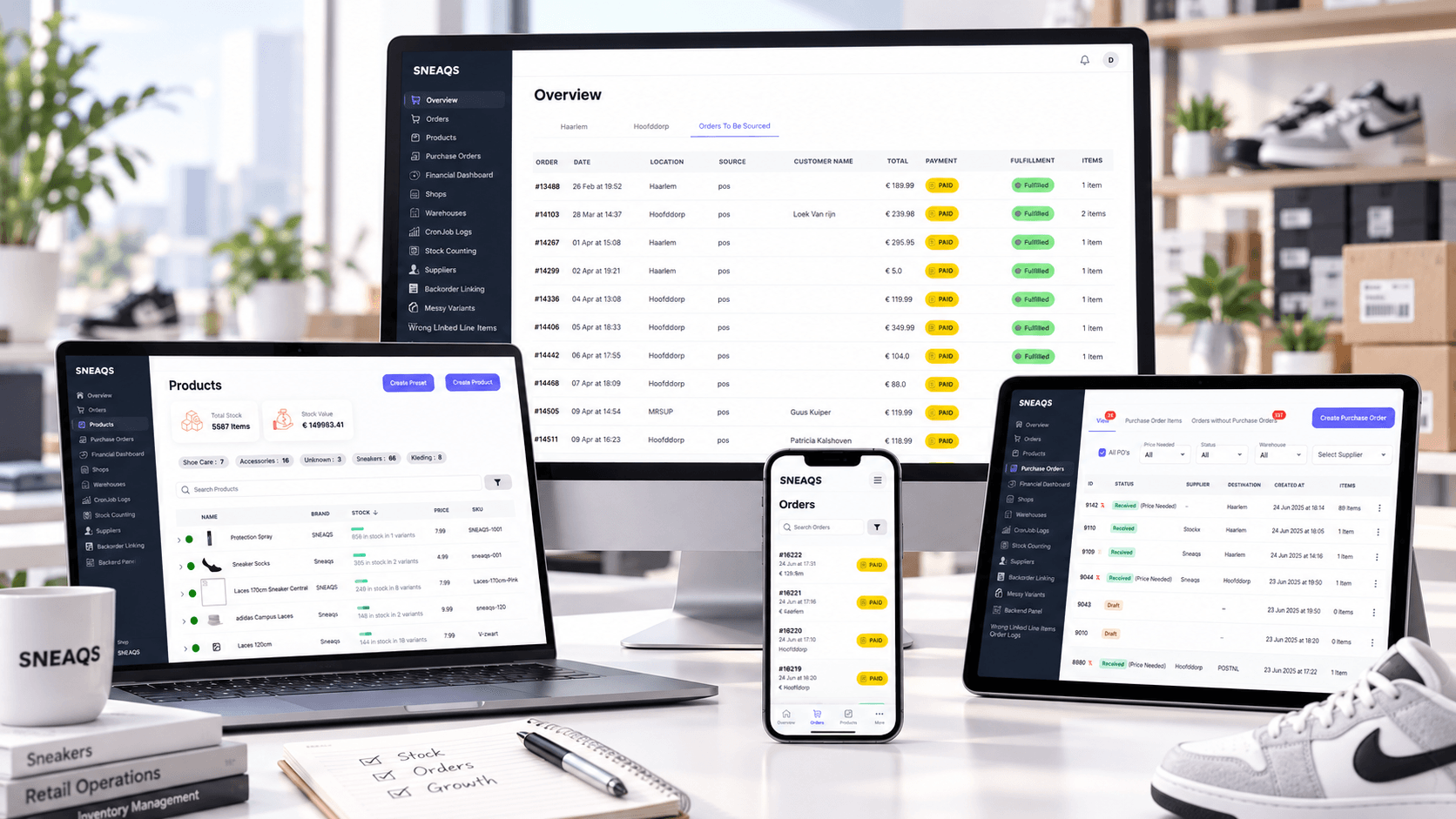
Sneaqs
Sneaqs is a powerful web application designed to streamline stock management, financial tracking, and inventory control for businesses. Whether you're managing multiple product variants or handling complex purchase.
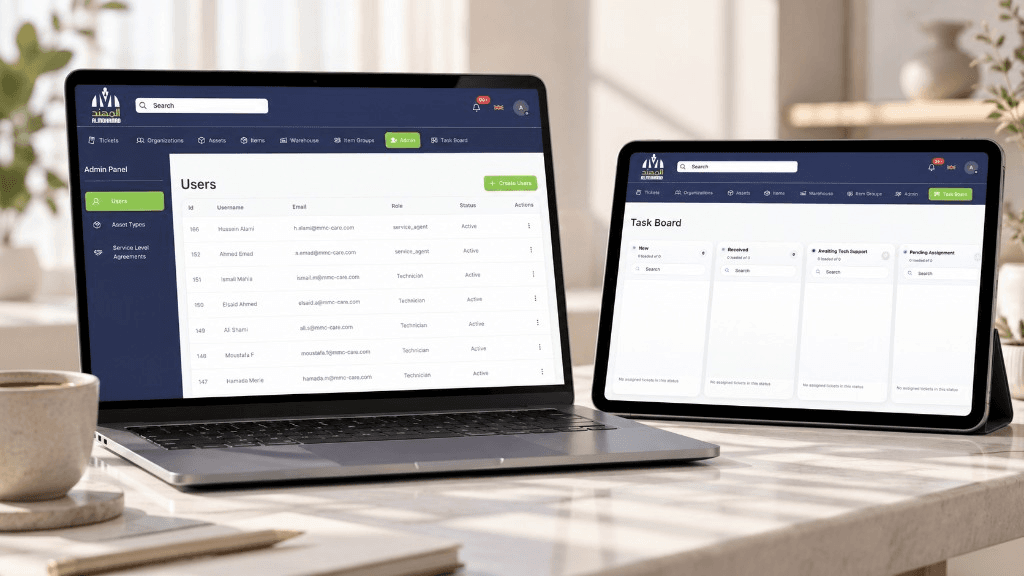
Service Management Software
Service Management Software is a full-stack operations platform for managing service tickets, customer organizations, assets, appointments, SLAs, technicians, inventory, warehouses, notifications, and audit history from...