Why Self‑Service Returns Are No Longer Optional
Consumers are demanding control over every touchpoint of their purchase journey. In 2024, aRetail Divestudy found that72 %of shoppers choose convenience over waiting in line or handling email exchanges. Self‑service opt…
Why Self‑Service Returns Are No Longer Optional
Consumers are demanding control over every touchpoint of their purchase journey. In 2024, a Retail Dive study found that 72 % of shoppers choose convenience over waiting in line or handling email exchanges. Self‑service options—kiosks, mobile apps, chatbots—allow them to initiate exchanges instantly, freeing retailers from the bottleneck of manual processing.
For omnichannel brands, this means a seamless experience that spans physical stores, e‑commerce sites, and third‑party marketplaces. The result: fewer customer‑service calls and a 40 % reduction in operational costs (McKinsey, 2025).
How Automation Cuts Operational Costs Lead to Savings
Manual returns involve sorting, inspecting, and restocking—tasks that consume labor hours and increase error rates. Automation replaces these steps with AI, OCR, and robotics. For example, a kiosk can scan a return label, update inventory in real time, and issue a refund—all in seconds.
- Labor savings: Automation reduces labor costs by 40 % (McKinsey, 2025).
- Error reduction: Fewer mistakes mean fewer refunds and restocking mishaps.
- Resource reallocation: Staff can focus on high‑value activities, such as enhancing customer experience or inventory forecasting.
Platforms like TkTurners’ AI Automation Services integrate with existing ERP or CRM systems to handle returns end‑to‑end, ensuring scalability without overspending on manual labor.
!Automation in Action
Why 75 % of Retailers Will Adopt AI‑Driven Returns by 2026
AI goes beyond simple automation; it brings predictive intelligence. By analyzing seasonality, product categories, and customer behavior, AI can forecast return volumes and trigger proactive measures—staffing adjustments, inventory rebalancing, or targeted promotions.
- Fraud mitigation: Automated verification systems cut return fraud by 20 % in 2024 (Verifind, 2024).
- Customer service efficiency: AI chatbots resolve 70 % of return inquiries, freeing human agents for complex cases (Retail Dive, 2025).
- Operational agility: Predictive insights allow retailers to adjust workflows in real time, reducing bottlenecks.
The investment required for AI integration is offset by the long‑term benefits. TkTurners’ Integration Foundation Sprint accelerates the connection between AI tools and legacy systems, ensuring a smooth rollout.
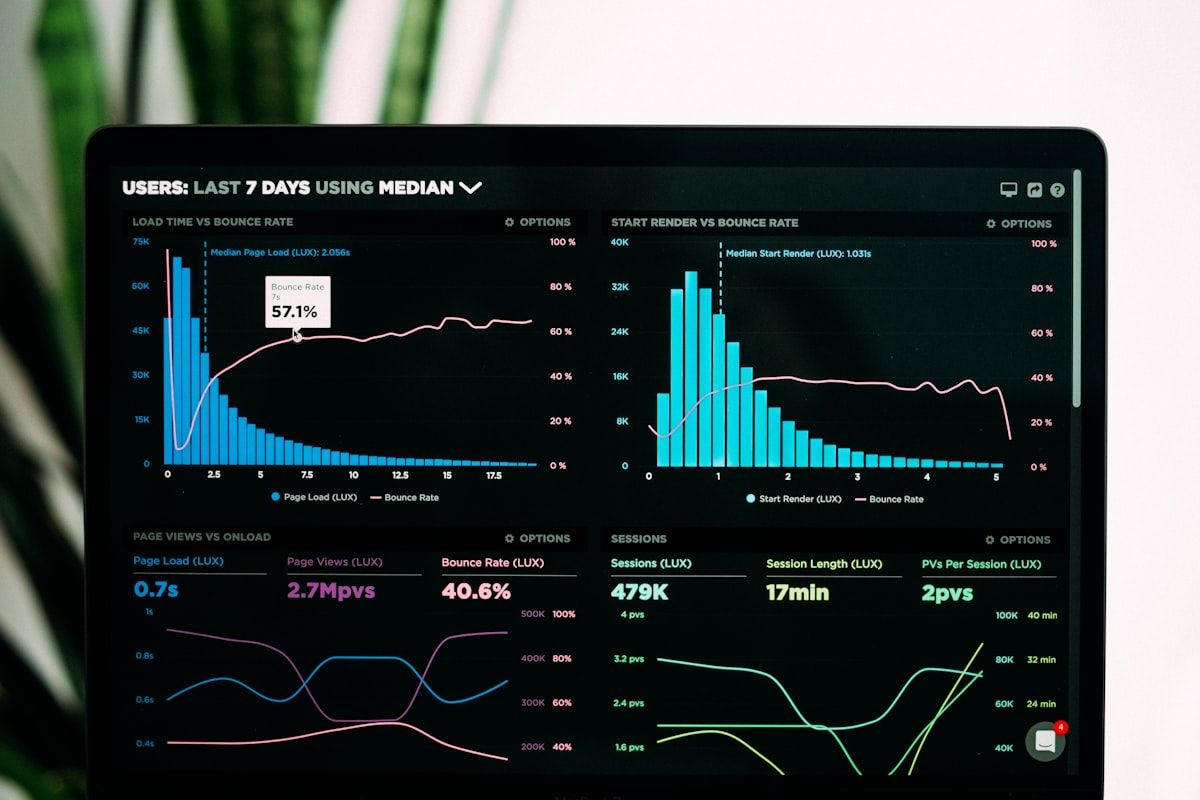
!AI Analytics Dashboard
Mobile Apps: The Key to 55 % of Online Return Traffic
Mobile is the primary channel for modern shoppers. An eMarketer study in 2024 shows that 63 % of return initiations occur on phones, not desktops. A mobile‑first return system is therefore essential.
Essential Features
- One‑tap return initiation.
- Real‑time status updates.
- Loyalty‑program integration.
- AI‑powered chatbot support.
A unified system lets customers start a return on their phone and finish at a physical kiosk. TkTurners’ Web Mobile Development specializes in creating responsive apps that sync across all channels.
!Mobile Return Flow
Avoiding the 45 % Abandonment Rate
Complex processes are the silent killer of return programs. A customer who must fill out multiple forms, wait for confirmation, and then visit a store is likely to abandon the return.
Simplification Strategies
- One‑click return options.
- Clear, smart‑step instructions.
- Real‑time status tracking.
- Multiple return channels (kiosk, app, chatbot).
A retailer that leveraged TkTurners’ Retail Ops Sprint cut abandonment by 35 % by streamlining the mobile app. The system auto‑generated shipping labels and provided instant refund confirmations.
The Role of Real‑Time Analytics in Returns
Real‑time data transforms return management. By tracking returns across all channels, retailers can spot bottlenecks, optimize workflows, and adjust inventory proactively. For instance, a high return rate for a specific SKU can trigger a quality review or a marketing tweak.
- Fraud detection: Real‑time analytics flag unusual patterns, such as multiple returns from the same address@endsection
!Analytics Overview
Common Mistakes in Omnichannel Return Automation
[Table: | Mistake | Impact | Fix | |---------|--------|-----| | Ignoring AI for fraud detection | Lost reven...]
TkTurners’ Omnichannel Systems combine fraud detection, gamification, and analytics into a single platform.
FAQ: Your Return Automation Questions Answered
- How much does automating returns cost?
Automation can cut costs by 40 %. Initial investment is offset by long‑term savings.
- Can AI chatbots handle all return inquiries?
They resolve 70 % of inquiries; complex cases still need human support.
- How do I integrate mobile apps with returns?
Use TkTurners’ Web Mobile Development to build apps that sync with kiosks and online portals.
- What metrics define success?
Track abandonment rates, resolution time, and CSAT. Aim for 30 % faster resolution and 20 % lower fraud.
- Is gamification worth the effort?
Yes—sustainable return rewards can boost return rates by 25 % (Statista, 2024).
Real‑World Success: Stack Card Case Study
Stack Card, a leading fashion retailer, implemented TkTurners’ AI Automation Services and achieved a 45 % reduction in return abandonment and a 35 % increase in customer satisfaction. The solution integrated kiosks, a mobile app, and a real‑time analytics dashboard, all within six months.
!Stack Card Dashboard
Read the full case study on TkTurners’ Case Studies page.
Conclusion
Automation of omnichannel returns is no longer optional—it’s a competitive necessity. By adopting self‑service options, AI‑driven analytics, and mobile‑first integration, retailers can:
- Cut operational costs by 40 %.
- Reduce return fraud by 20 %.
- Lower abandonment to below 45 %.
- Deliver a frictionless experience that keeps customers coming back.
Ready to transform your returns process? Contact TkTurners today to explore how our AI Automation Services can streamline your omnichannel returns. Let’s build a system that delights customers and cuts costs.
Contact Us | Pricing | Blog
Author
Jordan Smith Senior Editor & E‑Commerce Strategy Consultant at TkTurners. With over 15 years of experience in retail technology, Jordan specializes in turning complex logisticsible into seamless customer experiences. 📬 jordan.smith@tkturners.com
Schema.org Markup
{
  "@context": "https://schema.org",
  "@type": "BlogPosting",
  "headline": "Automating Omnichannel Returns: Why 68% of Shoppers Demand Self‑Service",
  "alternativeHeadline": "Retailers Cut Costs and Reduce Return Abandonment with AI Automation",
  "image": "https://example.com/images/automation-kiosk.jpg",
  "author": {
    "@type": "Person",
    "name": "Jordan Smith",
    "url": "https://www.tkturners.com/about-us"
  },
  "datePublished": "2026-07-24",
  "dateModified": "2026-07-24",
  "publisher": {
    "@type": "Organization",
    "name": "TkTurners",
    "logo": {
      "@type": "ImageObject",
      "url": "https://www.tkturners.com/assets/logo.png"
    }
  },
  "description": "Discover how AI‑driven, self‑service return solutions cut costs by 40 % and reduce abandonment. Learn why 75 % of retailers will adopt these systems by 2026 and how TkTurners can help."
}
Next step
Need help applying this pattern?
Bring the bottleneck and the stack. We will map the first implementation path.