Maximizing Commercial Property Value and Tenant Discoverability with Integrated Wayfinding Surfaces
Maximizing Commercial Property Value and Tenant Discoverability with Integrated Wayfinding Surfaces In today’s modern commercial real estate (CRE) landscape, property value extends far beyond square footage and physical location. As hybrid work patterns reshape office utilization and retail destinat
Maximizing Commercial Property Value and Tenant Discoverability with Integrated Wayfinding Surfaces
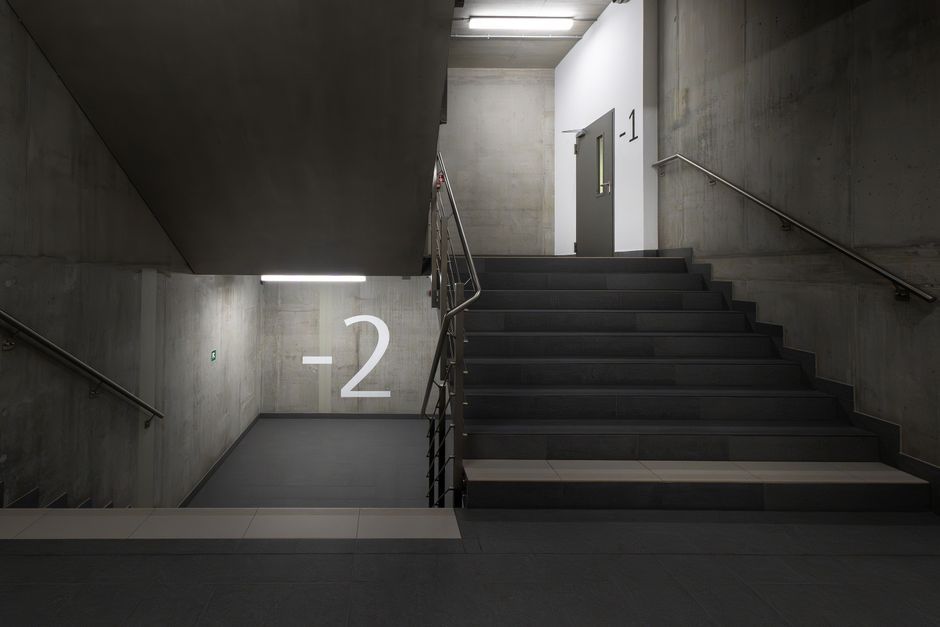
In today’s modern commercial real estate (CRE) landscape, property value extends far beyond square footage and physical location. As hybrid work patterns reshape office utilization and retail destinations compete with e-commerce, commercial asset managers must redefine how visitors interact with physical environments. Spatial friction—manifested as confusion, dead ends, and invisible retail storefronts—directly erodes tenant satisfaction and property yields. Enter integrated wayfinding surfaces: an architectural revolution that transforms static walls, pillars, and glass facades into dynamic, data-driven spatial media. By embedding digital navigation directly into the built environment, CRE leaders can unlock new revenue streams, optimize foot traffic, and drive sustainable growth in Net Operating Income (NOI).
1. The Financial Imperative: How Wayfinding Impacts Commercial Property Value and NOI
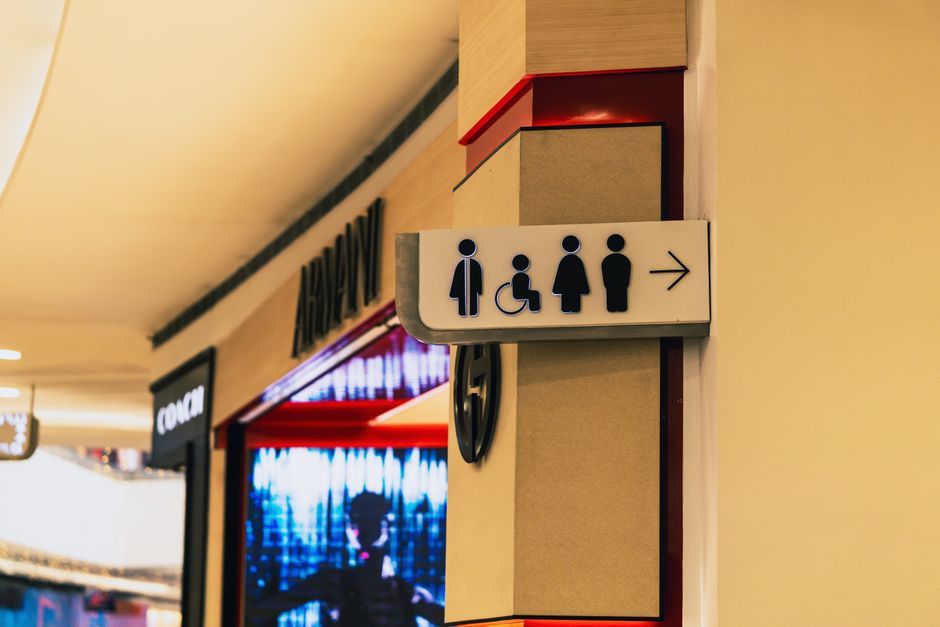
Commercial real estate valuations are fundamentally rooted in a property's financial productivity. While traditional asset management focuses heavily on leasing terms and operational expenditure, spatial user experience (UX) is increasingly recognized as a key multiplier of asset equity.
1.1 Connecting Friction-Free Visitor Navigation to Reduced Tenant Churn
Visitor frustration is a silent killer of tenant retention. In multi-tenant corporate headquarters or mixed-use retail developments, seamless navigation establishes an immediate perception of institutional quality. When visitors, clients, and shoppers navigate effortlessly from parking structures to specific suites, stress is mitigated and dwell times increase. High visitor satisfaction translates directly into higher tenant sales velocity and corporate tenant employee retention. Lower tenant turnover reduces recurring tenant improvement (TI) costs, leasing commissions, and vacancy gaps, preserving consistent cash flow.
1.2 Balancing Foot Traffic Distribution to Boost Low-Visibility Zones
In almost every commercial asset, certain spaces suffer from structural spatial penalties—such as B-level retail concourses, basement corridors, or secondary towers. Integrated wayfinding surfaces act as active traffic managers. By utilizing visual cues, contextual directional light paths, and interactive directory hubs, property managers can intentionally re-route visitor streams into low-visibility zones. Elevating the commercial performance of secondary spaces allows landlords to command higher rental rates across previously underperforming square footage.
1.3 Measuring the Direct Impact of Wayfinding Infrastructure on Capitalization Rates
Institutional buyers and appraisers scrutinize property efficiency and future-proofing when determining valuation multiples. High-performing assets equipped with modern digital infrastructure yield lower perceived risk profiles. Because Net Operating Income (NOI) Investopedia scales with optimized rent rolls and ancillary media revenue, even modest increases in annual yield directly elevate property appraisal value. At a 5% capitalization rate Investopedia, every $100,000 increase in NOI generated through enhanced tenant performance and digital media revenues yields $2,000,000 in added asset value.
2. Architectural Surface Integration vs. Legacy Standalone Signage
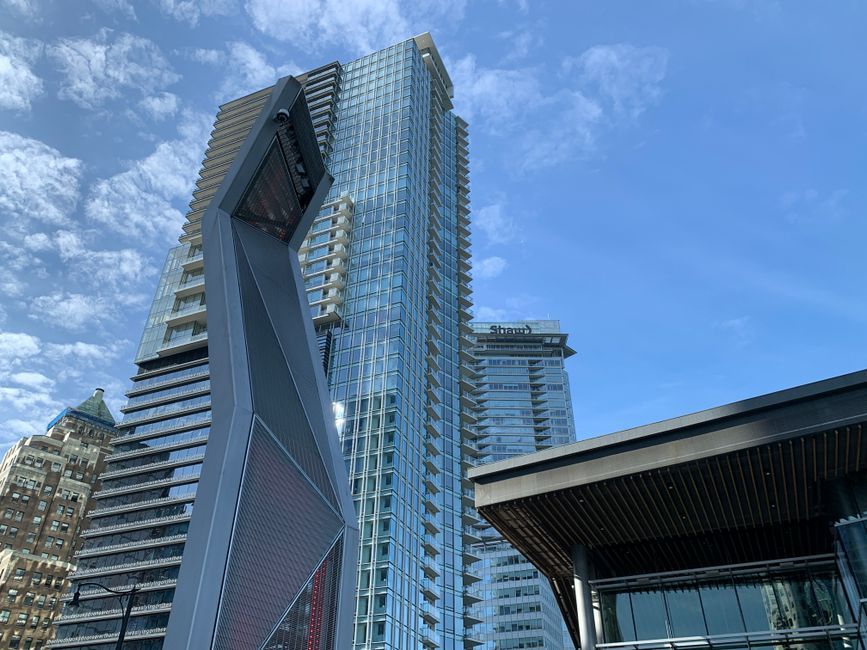
The era of bolt-on aluminum plaques, vinyl wall decals, and clunky standalone digital kiosks is drawing to a close. Modern architectural design demands structural harmony, where technological surfaces become native structural elements.
2.1 Evolving Beyond Static Plaques to Embedded LED and OLED Architectural Displays
Legacy signage is inherently rigid; tenant changes require physical re-fabrication, leading to high labor overhead and persistent clutter. Embedded architectural displays—such as ultra-fine pitch LED walls, transparent micro-LED glass, and flexible OLED panels—blend seamlessly into columns, lobbies, and interior facades. When inactive, these materials mirror high-end finishes like natural stone or polished wood; when active, they display real-time directional graphics, branding, and ambient artwork without cluttering floor plans.
2.2 Interactive Wall Media and Responsive Projection in Modern CRE Design
Modern architectural surfaces engage visitors dynamically. Interactive touch-enabled glass, gesture-controlled wall surfaces, and short-throw laser projection convert structural dividers into responsive navigation canvasses. Visitors can search complex multi-building campus layouts, explore tenant menus, or visualize custom walking routes. This responsive environment creates a sense of place (placemaking) that elevates Class-A commercial assets above legacy competitors.
2.3 Synchronizing Physical Wayfinding Surfaces with Smart Mobile Navigation
Physical architectural surfaces should not operate in isolation. The gold standard in modern wayfinding involves seamless handoffs between architectural displays and mobile devices via Bluetooth Low Energy (BLE) beacons Wikipedia, QR synchronization, and Ultra-Wideband (UWB) tracking. A visitor tapping a digital lobby directory can instantly push personalized step-by-step augmented reality (AR) directions to their smartphone, ensuring continuous navigation from the main entrance straight to their destination meeting room.
3. Unlocking Tenant Discoverability and New Commercial Revenue Streams
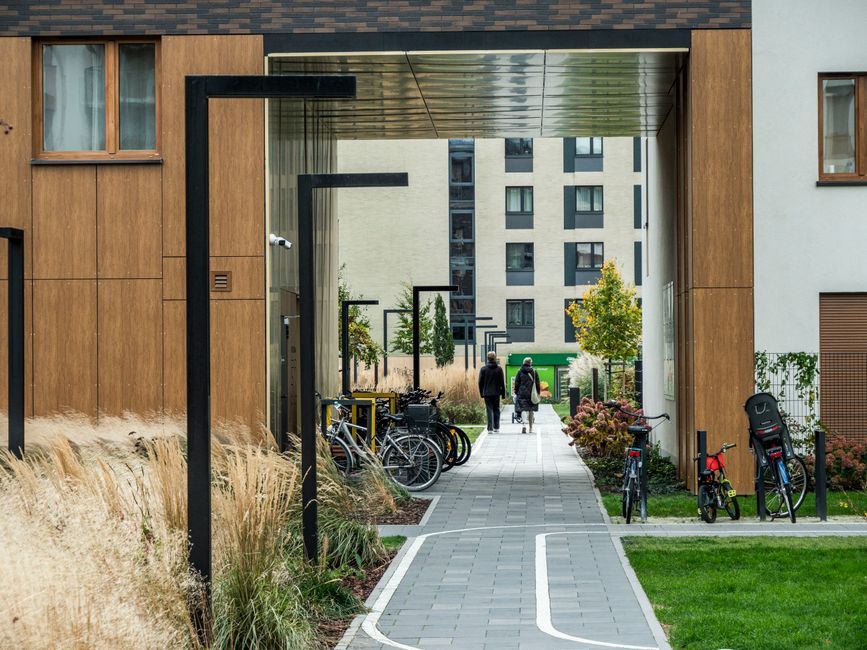
Integrated wayfinding surfaces do not merely cost capital to build; they actively generate revenue, transforming traditional cost centers into profit-generating digital assets.
3.1 Elevating Tenant Visibility Through High-Traffic Dynamic Hubs
In sprawling retail centers or multi-tenant medical office buildings, smaller tenants often struggle for visual mindshare alongside anchor brands. Dynamic digital wayfinding hubs equalize tenant discoverability. Through automated highlights, category-based searches, and featured promotional spots, landlords can boost visitor awareness of boutique offerings, direct-to-consumer pop-ups, and specialized service providers.
3.2 Monetizing Integrated Wayfinding Surfaces via Sponsored Exposure and Localized Ads
Architectural digital surfaces double as high-value Digital Out-of-Home (DOOH) Wikipedia media networks. Landlords can structure tiered lease agreements or secondary media contracts:
- Premium Placement: Tenants pay premium monthly allowances for prominent directory placement or automated directional callouts during peak pedestrian hours.
- Contextual Advertising: Third-party non-competing advertisers (e.g., local transit, financial services, premium consumer brands) purchase ad loops integrated into ambient wayfinding displays.
- Event Sponsorships: Corporate tenants hosting events can temporarily brand shared lobby surfaces, creating lucrative event venue revenue for the building owner.
| Revenue Model | Target Audience | Primary Metric | Commercial Impact |
|---|---|---|---|
| Tiered Tenant Directory | On-site Retailers & Services | Impression Count / Clicks | Increases baseline lease value |
| Programmatic DOOH Ads | External Brands & Agencies | CPM (Cost Per Mille) | Generates non-lease recurring revenue |
| Event & Experience Branding | Corporate Tenants & Event Hosts | Hourly / Daily Rates | Maximizes off-peak lobby utilization |
3.3 Contextual Spatial Messaging for Multi-Tenant Office and Retail Destinations
Wayfinding surfaces can dynamically adapt messaging based on time of day, weather, or crowd density. During morning transit hours, lobby walls prioritize coffee shop locations, transit schedules, and express elevator paths. At midday, surfaces shift to spotlight lunch specials and outdoor courtyard dining options. In the evening, the system highlights happy-hour venues and valet parking routes, directly driving foot traffic into tenant cash registers.
4. Smart Building Integration: Connecting Surfaces to IoT and BMS Analytics
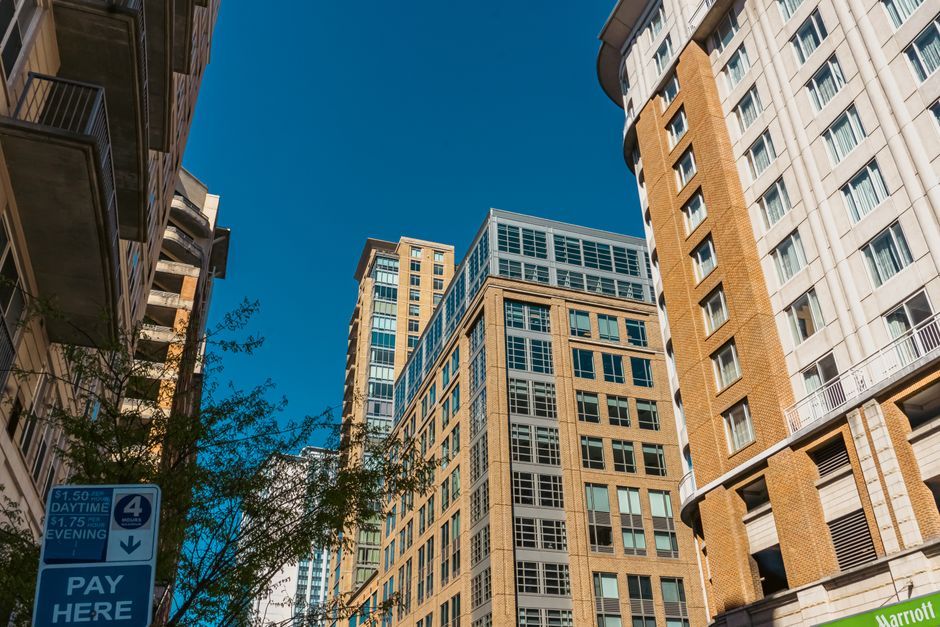
When integrated architectural surfaces are paired with Internet of Things (IoT) sensor packages Wikipedia, they serve as the visual frontend of intelligent building ecosystems.
4.1 Capturing Real-Time Spatial Analytics and Visitor Traffic Heatmaps
Underneath the graphical interface, smart wayfinding surfaces leverage LiDAR, optical sensors, and Wi-Fi tracking to aggregate anonymous spatial telemetry. Asset managers gain actionable visibility into pedestrian pathways:
- Identifying physical bottlenecks and high-congestion zones.
- Measuring visitor dwell times in front of specific tenant facades.
- Mapping popular vs. neglected circulation corridors.
4.2 Interfacing Digital Architectural Signage with Building Management Systems
Connecting wayfinding networks to central Building Management Systems (BMS) Wikipedia unlocks unprecedented operational agility. In emergency scenarios, wayfinding surfaces override marketing collateral to display synchronized egress routes, life-safety instructions, and real-time hazard warnings. Under normal conditions, these displays communicate building sustainability metrics, energy efficiency scores, and air quality index (AQI) values—reinforcing the asset’s ESG (Environmental, Social, and Governance) credentials.
4.3 Data-Driven Layout Optimization for Long-Term Property Adaptability
Empowered by spatial analytics, asset managers no longer rely on guesswork when remodeling or re-leasing space. If foot traffic heatmaps prove that certain corridors are consistently underutilized, landlords can proactively re-zone space for high-density uses, adjust rental expectations, or insert targeted pop-up kiosks to capture unexploited foot traffic.
5. Strategic Implementation Blueprint for CRE Asset Managers and Developers
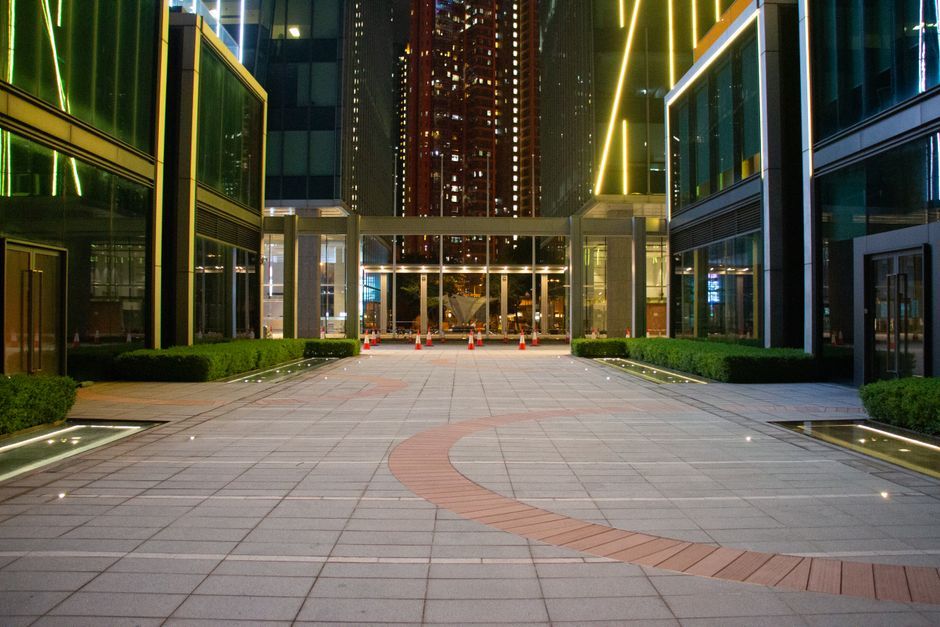
Deploying integrated architectural surfaces requires a holistic approach that bridges physical architecture, IT infrastructure, and financial asset strategy.
5.1 Retrofitting Infrastructure vs. Designing Next-Gen Smart Surfaces
Ground-up developments provide a clean slate to embed conduit networks, low-voltage power distribution, and dynamic display substrates directly into structural walls. However, retrofitting existing Class-A and Class-B properties offers immediate value creation. Retrofits should prioritize modular architectural cladding, surface-mounted LED skins, and wireless mesh networks to minimize structural demolition while vastly improving property aesthetics.
5.2 Aligning Architects, Asset Managers, and Experience Directors
Successful execution requires breaking down departmental silos early in design phase:
- Architects & Lighting Designers: Ensure displays integrate harmoniously into building materials, respecting sightlines and ambient illumination.
- IT & PropTech Engineers: Establish secure data pipelines between IoT sensors, BMS controllers, and cloud media servers.
- Asset Managers & Experience Directors: Define operational media strategies, leasing dynamic ad inventory, and continuously measuring tenant satisfaction.
5.3 Establishing KPIs to Measure Long-Term ROI and Asset Appreciation
To justify capital expenditure (CapEx) investments in smart architectural surfaces, project stakeholders must track concrete Key Performance Indicators (KPIs):
- Direct ROI: DOOH advertising revenue and directory sponsorship yields offset CapEx payback timelines.
- Leasing Performance: Reduced average time-on-market for vacant suites and higher renewal rates among retail/office tenants.
- Operational Efficiency: Decreased administrative costs associated with updating physical signage and managing tenant turn-around.
- Asset Valuation: Capitalized NOI expansion boosting overall appraisal benchmarks during refinancing or disposition events.
Conclusion: The Future of CRE Asset Enhancement Through Spatial Media
Integrated wayfinding surfaces represent a fundamental evolution in commercial property development—transitioning static concrete and glass into dynamic visual hubs. By eliminating visitor navigation friction, directing foot traffic to high-margin tenant zones, capturing rich spatial analytics, and establishing new DOOH advertising channels, commercial real estate developers and asset managers can dramatically increase property desirability. In an era where physical space must continuously demonstrate its value proposition, smart architectural wayfinding surfaces provide the critical bridge between physical architecture, tenant prosperity, and long-term financial yield.


Next step
Need help applying this pattern?
Bring the bottleneck and the stack. We will map the first implementation path.