Custom Mobile App vs Web App: A Decision Framework for 2026
GoodFirms reports that 78.2% of mobile app development companies charge up to $50,000 for simple apps, yet enterprise-grade builds easily exceed $250,000 (GoodFirms, 2026). That gap creates a real problem. Business owners waste budget building the wrong product first, then wonder why adoption stalls.
This article gives you a practical decision framework. You'll get real 2026 cost numbers, engagement benchmarks, and a six-criteria scoring matrix you can apply to your own operation today.
Key Takeaways - A custom mobile app costs $40,000-$250,000+ and takes 6-12 months, while a web app runs $25,000-$100,000 and deploys in weeks (GoodFirms, 2026; industry analysis, 2026). - Mobile apps win on daily engagement and revenue per user; web apps win on reach, SEO, and B2B retention. - Use the decision matrix at the end to score your business objectively instead of guessing.
What Does a Custom Mobile App Cost in 2026?
GoodFirms survey data shows basic mobile apps cost $15,000-$40,000, mid-level apps run $40,000-$120,000, and advanced or enterprise apps start at $100,000 and can exceed $500,000 (GoodFirms, 2026). The final price depends on complexity, platform choice, and compliance requirements.
Hidden costs add up fast. Annual maintenance typically runs 15-25% of the initial build cost. App store fees, security audits, and ongoing compliance work can push the total higher than the original quote. If you need both iOS and Android, cross-platform frameworks like Flutter or React Native can cut costs by 30-40% compared to building two separate native apps.
Clutch data adds an important business context: over 60% of US businesses that invested in custom mobile apps reported positive ROI within 18 months (Clutch, 2026). The investment can pay off, but only when the app solves a real, recurring user need.
Our take: When we build for clients at TkTurners, we start with usage frequency. If users don't need the product at least weekly, we rarely recommend native mobile first. The development cost is too high to justify occasional use.
What Does a Web App Cost in 2026?
Web apps typically cost 20-40% less than equivalent mobile apps, with simple builds starting at $10,000-$50,000 and enterprise SaaS projects ranging from $130,000 to $350,000+ (industry analysis, 2026). The savings come from a single codebase that serves desktop, tablet, and mobile users without separate teams.
A web app also removes app store gatekeeping. You deploy once, and every user gets the latest version instantly. That speed matters when you're validating an MVP or iterating based on customer feedback. The SaaS market underscores this trend: it reached $408 billion in 2025 and is projected to hit $465 billion in 2026.
For businesses that want app-like features without native costs, a Progressive Web App (PWA) sits in the middle. PWAs load fast, work offline in limited capacity, and can send push notifications on Android and iOS 16.4+. They cost roughly 30-50% of a native build while preserving web-like distribution. If you're evaluating where a PWA fits into your broader operational stack, our custom web and mobile development work often starts with this exact question.
%3C%2Ftext%3E%20%3Ctext%20x%3D%22280%22%20y%3D%2244%22%20text-anchor%3D%22middle%22%20font-size%3D%2212%22%20fill%3D%22%2364748b%22%3ESource%3A%20GoodFirms%2C%20industry%20analysis%3C%2Ftext%3E%20%3Cg%20transform%3D%22translate(60%2C70)%22%3E%20%3Ctext%20x%3D%220%22%20y%3D%2215%22%20font-size%3D%2212%22%20fill%3D%22%230f172a%22%20font-weight%3D%22500%22%3EEnterprise%3C%2Ftext%3E%20%3Crect%20x%3D%22120%22%20y%3D%220%22%20width%3D%22280%22%20height%3D%2222%22%20fill%3D%22%230052ff%22%20rx%3D%224%22%2F%3E%20%3Ctext%20x%3D%22410%22%20y%3D%2215%22%20font-size%3D%2211%22%20fill%3D%22%230f172a%22%3E%24130k-%24500k%2B%3C%2Ftext%3E%20%3Crect%20x%3D%22120%22%20y%3D%2226%22%20width%3D%22160%22%20height%3D%2222%22%20fill%3D%22%2394a3b8%22%20rx%3D%224%22%2F%3E%20%3Ctext%20x%3D%22290%22%20y%3D%2241%22%20font-size%3D%2211%22%20fill%3D%22%230f172a%22%3E%24130k-%24350k%2B%3C%2Ftext%3E%20%3C%2Fg%3E%20%3Cg%20transform%3D%22translate(60%2C130)%22%3E%20%3Ctext%20x%3D%220%22%20y%3D%2215%22%20font-size%3D%2212%22%20fill%3D%22%230f172a%22%20font-weight%3D%22500%22%3EMid-Level%3C%2Ftext%3E%20%3Crect%20x%3D%22120%22%20y%3D%220%22%20width%3D%22160%22%20height%3D%2222%22%20fill%3D%22%230052ff%22%20rx%3D%224%22%2F%3E%20%3Ctext%20x%3D%22290%22%20y%3D%2215%22%20font-size%3D%2211%22%20fill%3D%22%230f172a%22%3E%2440k-%24120k%3C%2Ftext%3E%20%3Crect%20x%3D%22120%22%20y%3D%2226%22%20width%3D%22120%22%20height%3D%2222%22%20fill%3D%22%2394a3b8%22%20rx%3D%224%22%2F%3E%20%3Ctext%20x%3D%22250%22%20y%3D%2241%22%20font-size%3D%2211%22%20fill%3D%22%230f172a%22%3E%2425k-%2480k%3C%2Ftext%3E%20%3C%2Fg%3E%20%3Cg%20transform%3D%22translate(60%2C190)%22%3E%20%3Ctext%20x%3D%220%22%20y%3D%2215%22%20font-size%3D%2212%22%20fill%3D%22%230f172a%22%20font-weight%3D%22500%22%3EBasic%20%2F%20MVP%3C%2Ftext%3E%20%3Crect%20x%3D%22120%22%20y%3D%220%22%20width%3D%2280%22%20height%3D%2222%22%20fill%3D%22%230052ff%22%20rx%3D%224%22%2F%3E%20%3Ctext%20x%3D%22210%22%20y%3D%2215%22%20font-size%3D%2211%22%20fill%3D%22%230f172a%22%3E%2415k-%2440k%3C%2Ftext%3E%20%3Crect%20x%3D%22120%22%20y%3D%2226%22%20width%3D%2260%22%20height%3D%2222%22%20fill%3D%22%2394a3b8%22%20rx%3D%224%22%2F%3E%20%3Ctext%20x%3D%22190%22%20y%3D%2241%22%20font-size%3D%2211%22%20fill%3D%22%230f172a%22%3E%2410k-%2430k%3C%2Ftext%3E%20%3C%2Fg%3E%20%3Cg%20transform%3D%22translate(60%2C260)%22%3E%20%3Crect%20x%3D%22120%22%20y%3D%220%22%20width%3D%2214%22%20height%3D%2214%22%20fill%3D%22%230052ff%22%20rx%3D%222%22%2F%3E%20%3Ctext%20x%3D%22140%22%20y%3D%2212%22%20font-size%3D%2212%22%20fill%3D%22%230f172a%22%3EMobile%20App%3C%2Ftext%3E%20%3Crect%20x%3D%22240%22%20y%3D%220%22%20width%3D%2214%22%20height%3D%2214%22%20fill%3D%22%2394a3b8%22%20rx%3D%222%22%2F%3E%20%3Ctext%20x%3D%22260%22%20y%3D%2212%22%20font-size%3D%2212%22%20fill%3D%22%230f172a%22%3EWeb%20App%3C%2Ftext%3E%20%3C%2Fg%3E%20%3C%2Fsvg%3E)
How Do User Engagement and Business Outcomes Compare?
Mobile apps generate 3.5-7x more revenue per user than mobile web for e-commerce brands, but web apps dominate B2B retention and desktop engagement depth (mobile commerce benchmarks, 2025-2026). The channel you choose should match how your customers actually work and buy.
Mobile retention is tough. Day-1 retention averages around 25%, Day-7 drops to roughly 10%, and Day-30 retention falls to about 6% for most apps. Top performers hit 30-40%, but that takes exceptional product-market fit. On the flip side, users now spend an average of 3.6 hours per day in mobile apps. If your product earns a spot on the home screen, the engagement potential is enormous.
Web apps tell a different story. Desktop web converts at 3.4% compared to 2.0% on mobile web, and desktop sessions average 4 minutes 46 seconds versus just 2 minutes 20 seconds on mobile web (Contentsquare, 2026). For B2B SaaS and content-driven businesses, that depth matters more than daily opens.
PWAs offer a compelling middle path. Google research cites up to a 36% conversion lift from PWAs due to faster loading and smoother UX (Google, 2025). If you need app-like behavior without app store friction, a PWA is often the right compromise.
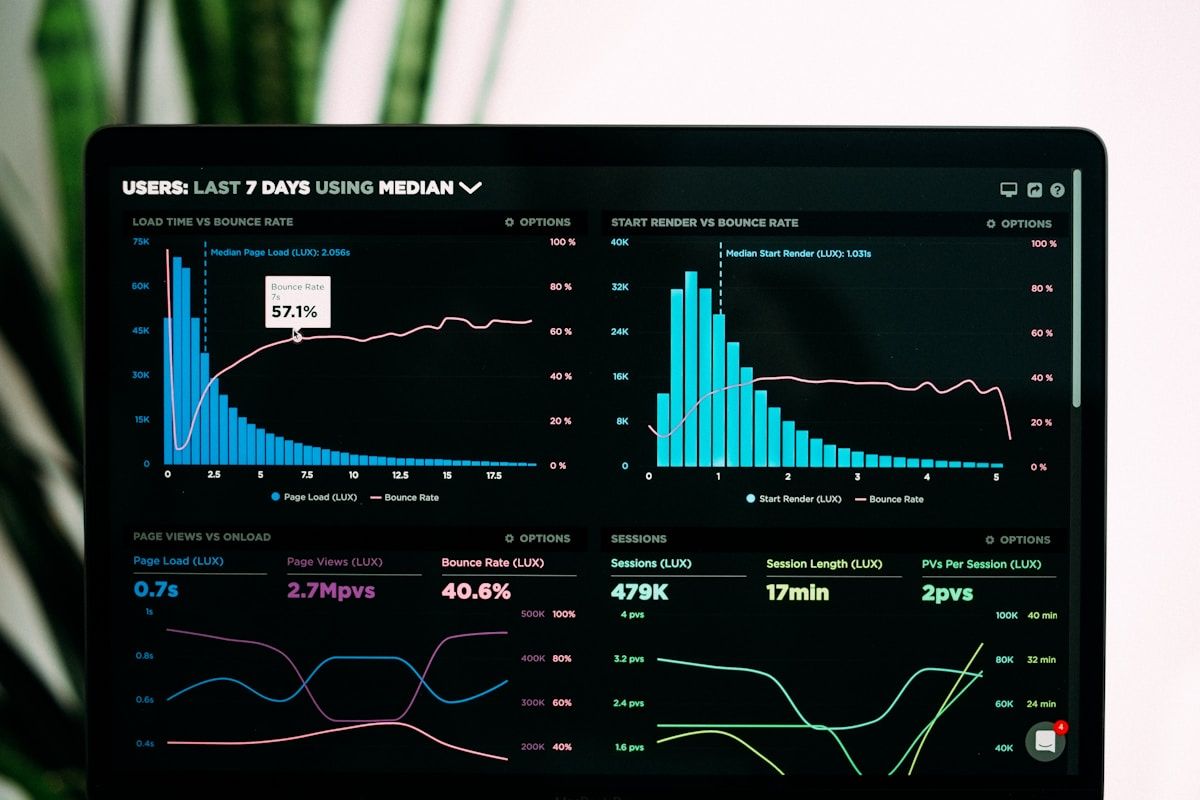
!A smartphone displaying business analytics charts, representing mobile app engagement metrics
When Should You Choose a Custom Mobile App?
Choose native mobile when users need daily engagement, push notifications, offline access, or deep hardware integration like GPS, camera, and biometrics. These features are still the native app's territory.
The best-fit use cases are clear. Fitness apps that track workouts in real time, fintech apps that need secure biometric login, field service tools that rely on GPS and camera capture, and high-frequency B2C products all justify the higher investment. The home screen presence alone builds habit in a way a browser tab cannot match.
App stores also provide a trust signal. For consumer brands, being discoverable in the App Store or Google Play adds credibility that a website URL sometimes lacks.
If you're considering custom web and mobile development, the key question is frequency. Will your users open this app multiple times per week? If the answer is no, native mobile is probably premature.
When Should You Choose a Web App or PWA?
Choose a web app when maximum reach, SEO discoverability, fast iteration, and lower customer acquisition cost are your priorities. Web apps excel where distribution and searchability matter more than daily habit formation.
B2B SaaS, internal tools, content platforms, and MVP-stage products almost always start on the web. Your customers can find you through search, share a link in Slack, and start using the product in seconds. There's no download friction, no app store approval delay, and no platform commission eating into your margins.
Desktop engagement data reinforces this choice. Desktop web users convert 75% higher than mobile web users and spend twice as long per session (Contentsquare, 2026). If your sales cycle involves research, comparison, or multi-step workflows, a web app gives you the room to guide that journey.
The PWA option deserves special mention. For businesses that want push notifications, home screen installation, and faster load times without rebuilding for iOS and Android, a PWA captures 80% of the native benefit at a fraction of the cost.
How Do You Score Your Business for Mobile vs Web?
Use this six-criteria scoring matrix to turn a subjective debate into an objective recommendation. Rate your business from 1 to 5 on each criterion, then compare your total to the thresholds below.
| Criterion | What to Ask | Weight |
|---|---|---|
| Usage Frequency | Will users need this daily or weekly? | 2x |
| Device Integration | Do we need GPS, camera, biometrics, or Bluetooth? | 2x |
| SEO Importance | Is organic search a primary acquisition channel? | 1x |
| Budget Constraints | Is capital limited or do we need fast validation? | 1x |
| Time to Market | Do we need to launch within 2-3 months? | 1x |
| Offline Requirements | Must core features work without an internet connection? | 1x |
Here's a quick example. A B2B inventory management tool scores low on usage frequency (users check it a few times per month), high on SEO importance, and moderate on budget constraints. That profile points clearly to a web app. A fitness coaching app that tracks daily workouts, sends push reminders, and reads health sensor data scores high on frequency and device integration. That profile justifies native mobile.
Frequently Asked Questions
How long does it take to build a custom mobile app vs a web app?
A custom mobile app typically takes 6-12 months from discovery to app store launch, while an equivalent web app can ship in 2-4 months (GoodFirms, 2026). The difference comes from platform-specific development, app store review cycles, and the need to support multiple operating systems.
Can a Progressive Web App replace a native app?
For many businesses, yes. PWAs deliver app-like experiences at 30-50% of native cost and support push notifications on Android and iOS 16.4+. However, they cannot match deep hardware integration like continuous Bluetooth, advanced camera controls, or native gaming performance.
Which has lower maintenance costs?
Web apps are generally cheaper to maintain because they rely on a single codebase and skip app store versioning cycles. Annual maintenance for web apps often runs 10-20% of initial build cost, compared to 15-25% for mobile apps (industry analysis, 2026).
Should startups build a mobile app first?
Usually no. Most startups validate demand with a web app or PWA first, then invest in native mobile only after proving repeat usage and product-market fit. The lower cost and faster iteration of web apps make them the safer starting point for unproven ideas.
Conclusion
The mobile app vs web app debate isn't about which technology is "better." It's about which technology fits your user's behavior and your business model.
- Custom mobile apps justify their $40,000-$250,000+ price tag when daily engagement, push notifications, or deep device integration are critical.
- Web apps and PWAs offer faster, cheaper paths to market with broader reach and stronger B2B retention.
- The decision matrix above removes the guesswork. Score your business, look at the number, and build the right thing first.
Not sure which path fits your operation? Book a discovery call and we'll map the right build strategy to your business model.
Turn the note into a working system.
TkTurners builds web and mobile products, internal tools, and AI-ready software with the operational systems and handoffs already in mind.
See web and mobile development servicesShahzaib
Systems Integration Specialist
Shahzaib focuses on systems integration, data handoffs, and operational cleanup for TkTurners projects where disconnected tools slow execution.
Relevant service
See web and mobile development
Explore the service lane