Client Project/AI Software
LetzAI Generative AI Image Platform Case Study
LetzAI is a generative AI image creation and creator community platform.
Remote delivery
AI Automation Services, SaaS Platform Development, Custom Software Development
About the Project
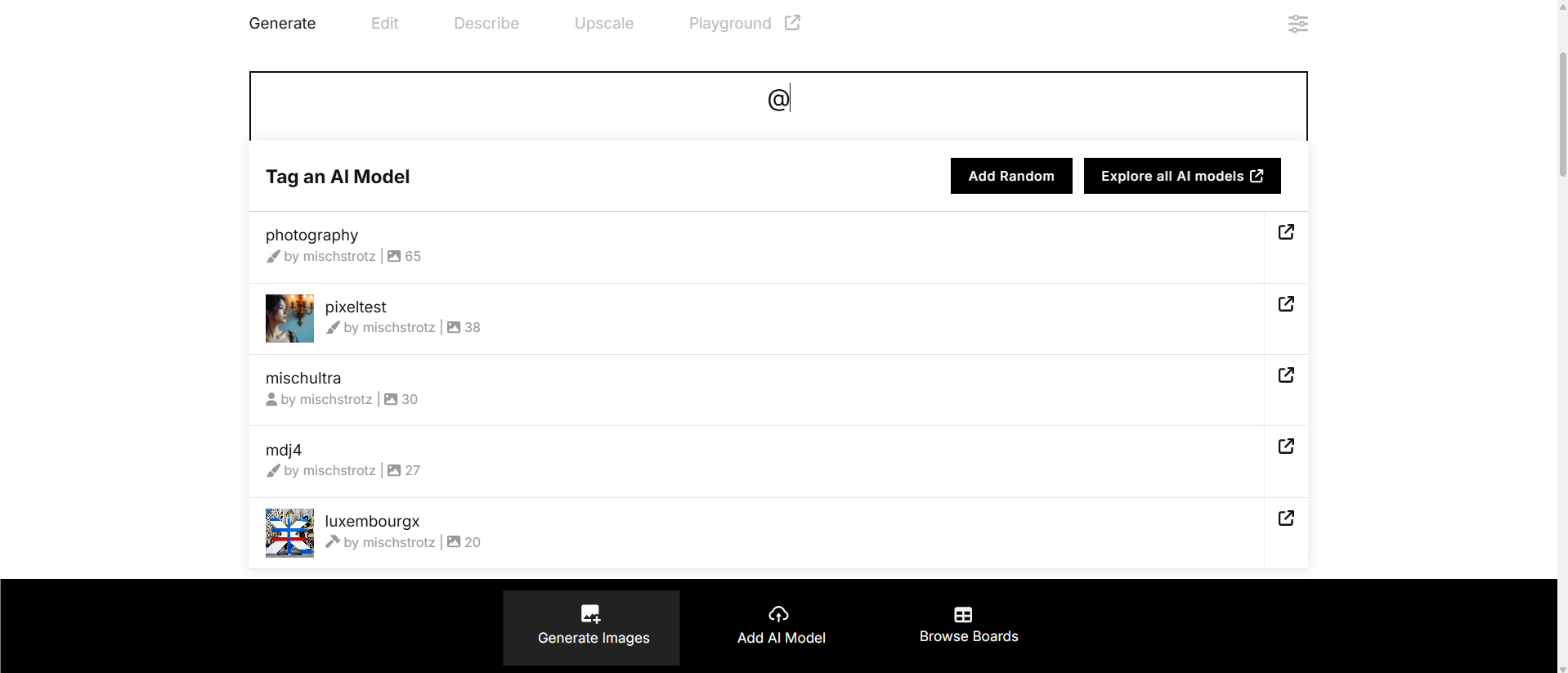
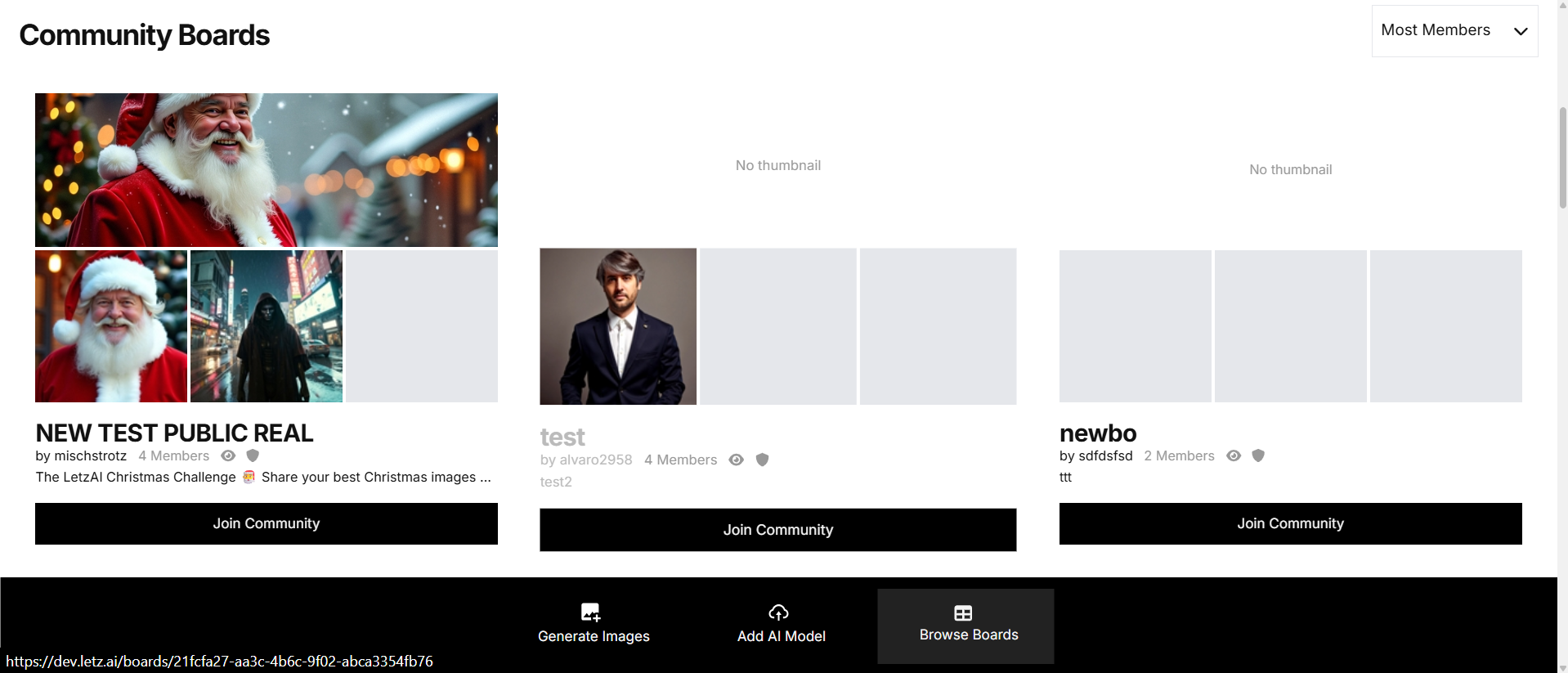
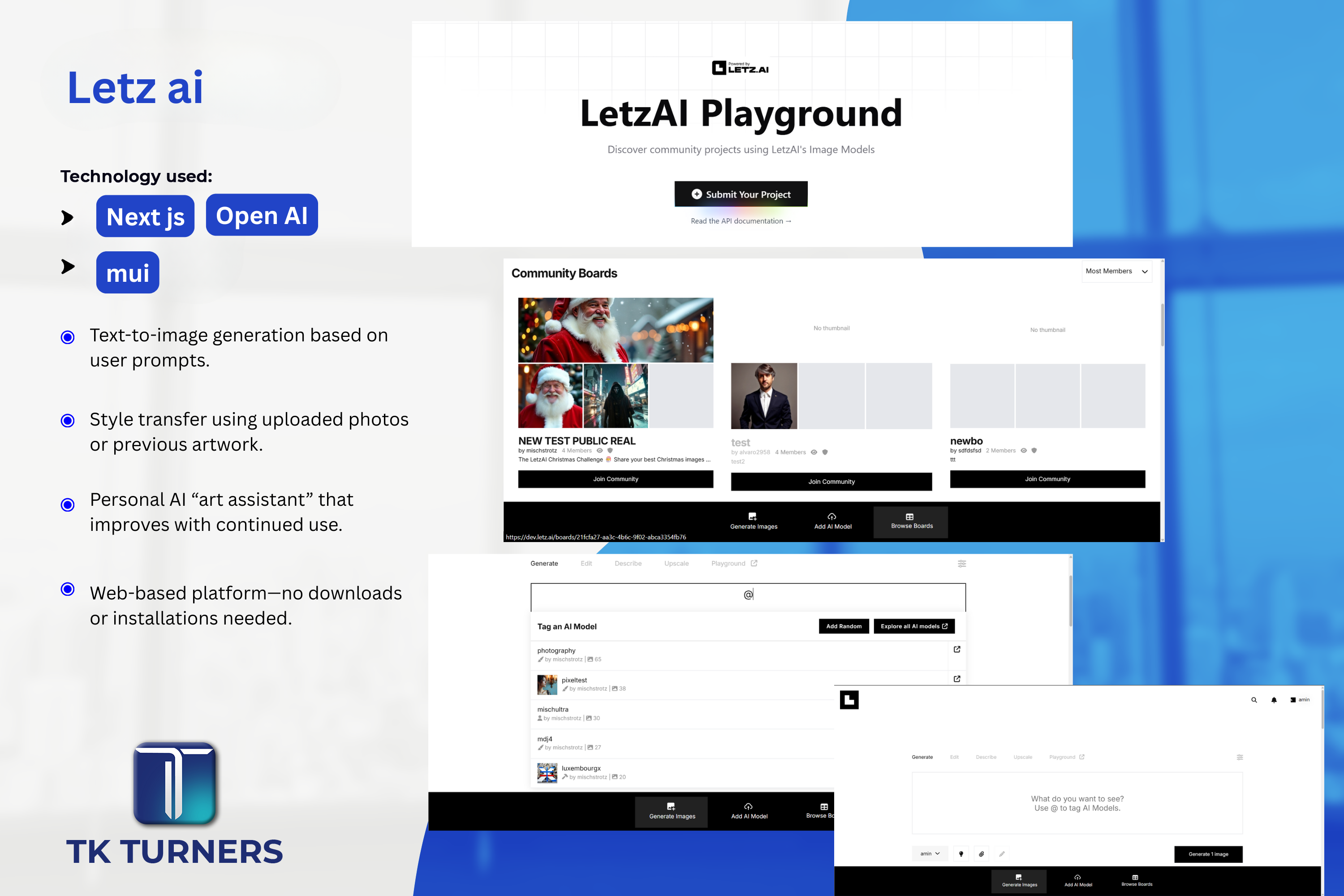
LetzAI is a generative AI image creation and creator community platform. It lets users generate images from prompts, tag and train custom AI models for people, products, and styles, explore community feeds, organize creations into collaborative boards, manage subscriptions and credits, and use API access for image generation workflows. The platform combines AI image generation, model training, community publishing, moderation workflows, profile pages, visual search, billing, API access, and multilingual content.
Building Generative AI Image Platform with practical implementation discipline
LetzAI is a generative AI image creation and creator community platform. It lets users generate images from prompts, tag and train custom AI models for people, products, and styles, explore community feeds, organize creations into collaborative boards, manage subscriptions and credits, and use API access for image generation workflows. The platform combines AI image generation, model training, community publishing, moderation workflows, profile pages, visual search, billing, API access, and multilingual content.
Why this Generative AI Image Platform matters for the industry
For creator communities, brand teams, and generative AI product operators, the hard part is not just launching software. The harder problem is that AI image products need more than prompt generation; they need model organization, community discovery, moderation, subscriptions, and creator workflows. This case study shows how a focused implementation can turn that friction into a generative AI image platform with custom models, feeds, collections, subscriptions, and creator community workflows.
Clarifies the operating workflow behind generative AI image platform instead of only presenting a user interface.
Connects the product experience to real business actions such as onboarding, discovery, reporting, support, payments, content, or admin control.
Gives similar teams a practical reference for what to centralize, what to automate, and what should remain easy for humans to manage.
Helps buyers and operators understand the practical implementation choices behind the workflow, not just the finished interface.
Before and After the Build
Before
Image generation could happen through prompts, but organization, sharing, model training, and community discovery needed product structure.
Creators needed ways to manage people, products, styles, collections, and outputs.
Subscription and community flows had to support ongoing product use.
After
Users can generate images, train or tag custom models, explore feeds, organize creations, and collaborate around visual outputs.
The product supports creator-community behavior instead of one-off image generation.
The platform creates a stronger base for subscriptions, content discovery, and AI model reuse.
Challenges We Faced
1. Product and workflow clarity
Turning the generative ai image platform concept into a usable, structured product experience.
2. Technical implementation depth
Coordinating the implementation across React, Next.js, TypeScript, NextAuth.js, and related platform services.
Key Features Delivered
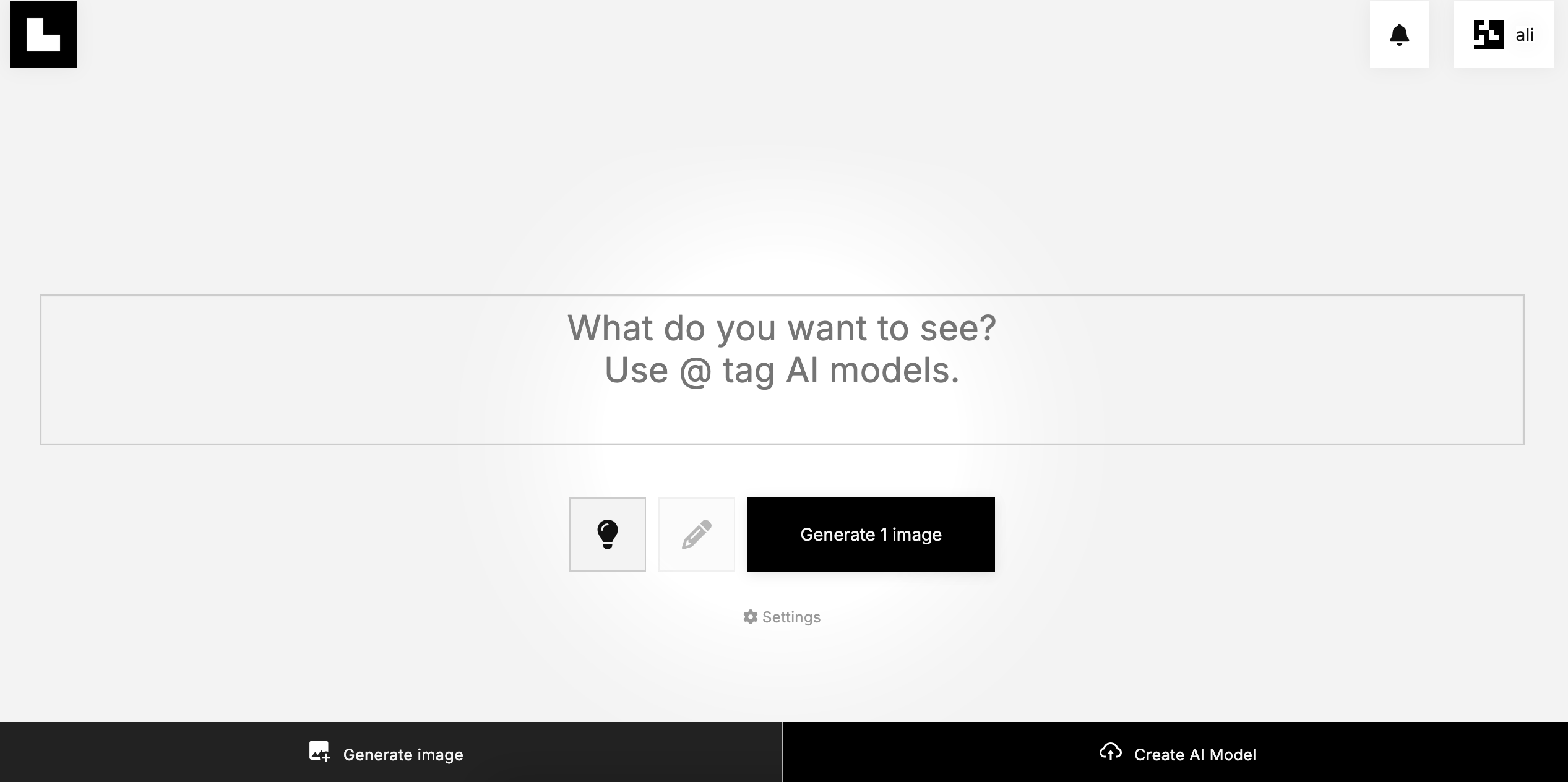
AI image generation
Prompt builder with model tagging
AI prompt improvement and suggestions
Image variations, regeneration, and upscaling
Custom AI model training
Model upload, activation, and editing
Community feed, profiles, likes, comments, and bookmarks
Boards, invites, collaborators, and privacy settings
Visual product search
Referral credits
Notifications
Subscription plans and credit packages
Stripe checkout and billing portal
API key management and OpenAPI documentation
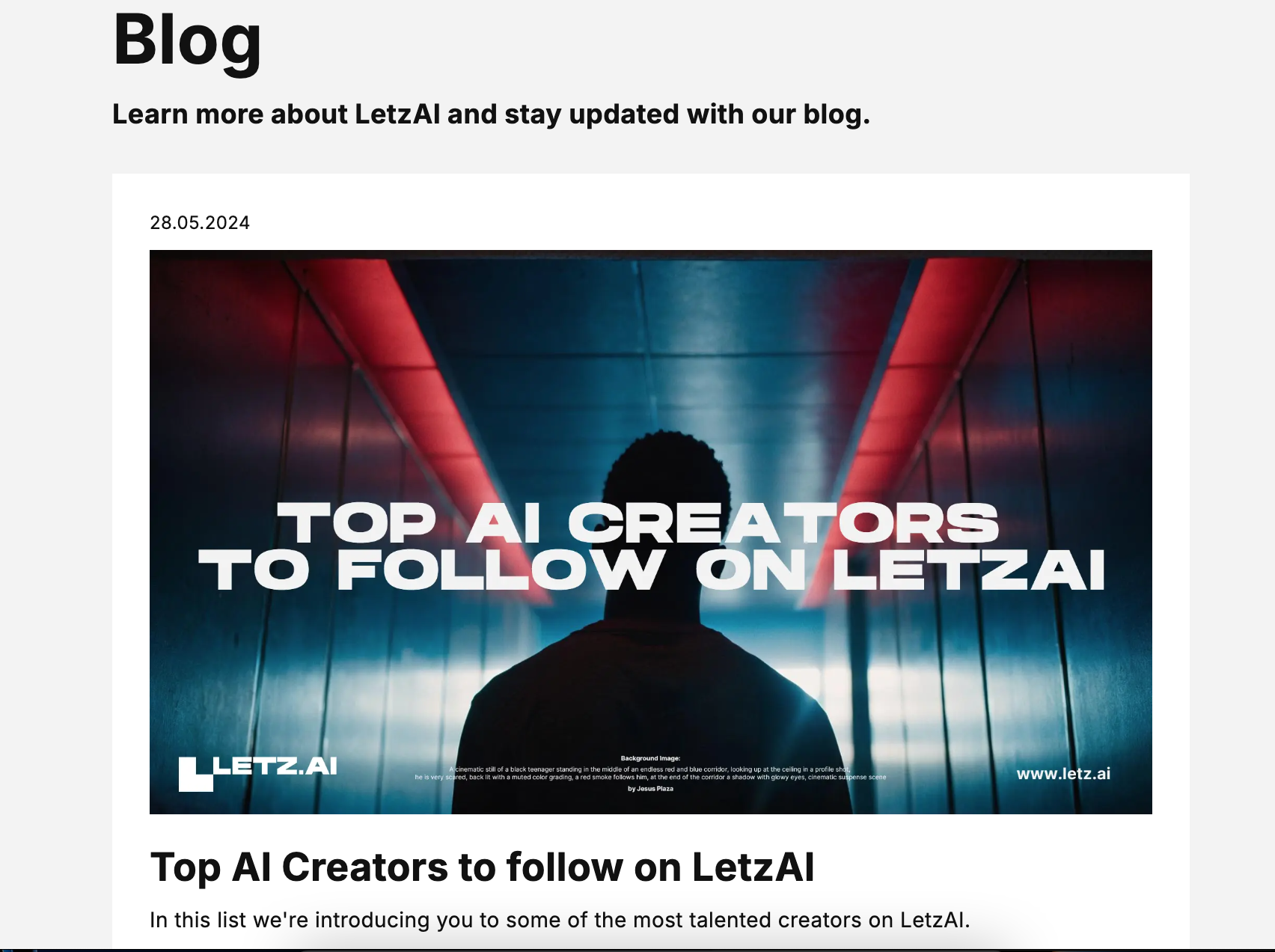
Blog, guides, FAQ, reporting, and appeal workflows
Multilingual support
How We Solved It
UI/UX implementation.
Frontend and API integration.
Authentication flow.
AI image generation workflow.
Prompt engineering tools.
Prompt safety and moderation flow.
Model training workflow.
Feed and explore experience.
Implementation Scope
UI/UX implementationFrontend and API integrationAuthentication flowAI image generation workflowPrompt engineering toolsPrompt safety and moderation flowModel training workflowFeed and explore experienceProfile and creator pagesBoards and collaboration workflowVisual search integrationNotificationsSubscription and credit managementStripe checkout integrationAPI documentation pageLocalization, SEO, and Docker deployment setup
How the System Was Structured
Experience layer
React, Next.js, TypeScript, NextAuth.js shaped the user-facing product screens, responsive flows, and role-specific interface patterns.
Workflow and data layer
The workflow and data layer organized the records, permissions, and business logic required for the platform to operate.
Integration layer
OpenAI, Google Lens Search, Stripe, AWS S3 connected the product to the external systems, AI services, media storage, analytics, and deployment surfaces it needed.
Operating layer
Admin screens, structured content, dashboards, and repeatable workflows made the system easier to maintain after launch instead of leaving value trapped in custom code.
Project Screenshots


Results Delivered
Delivered a generative ai image platform project with implementation coverage across AI image generation, Prompt builder with model tagging, AI prompt improvement and suggestions, Image variations, regeneration, and upscaling.
AI Automation Services
SaaS Platform Development
Custom Software Development
Operational lift for creator communities, brand teams, and generative AI product operators
The value of this case study is in the operating shift: a generative AI image platform with custom models, feeds, collections, subscriptions, and creator community workflows. For teams in this category, that means clearer ownership, fewer scattered tools, and a stronger foundation for growth.
Reduces scattered work by moving the core generative AI image platform workflow into a structured product surface.
Improves visibility because users, admins, or operators can inspect the state of the workflow instead of relying on informal updates.
Creates a stronger foundation for future automation, analytics, integrations, and workflow expansion.
AI image generation gives teams a more repeatable way to handle ai image generation without rebuilding the workflow manually.
What creator communities, brand teams, and generative AI product operators can take from this Generative AI Image Platform build
LetzAI is useful beyond the project itself because it shows how a focused product can reduce operating friction in a specific workflow category.
Start with the workflow that creates repeated manual drag, then design the product around making that workflow visible and easier to complete.
Use integrations only where they remove a real handoff. A connected stack is valuable when it improves data flow, support quality, reporting, or user speed.
Keep admin control and content maintenance in the architecture from the start so the product does not become fragile after launch.
Treat AI, automation, and dashboards as operating layers. They should help teams make decisions, complete work, or understand exceptions rather than exist as disconnected features.
Technologies We Used
 React
React Next.js
 TypeScriptNextAuth.jsnext-i18nextReact i18nextAxiosNext.js API Routes
 OpenAIGroq SDKSerpAPIGoogle Lens SearchYandex Image Search
 StripeAWS S3React DropzoneReact Masonry CSSReact Infinite Scroll ComponentReact MentionsReact SlickPrism.jsJSZipFileSaverDocker
Questions This Case Study Helps Answer
What problem does this generative ai image platform solve?
LetzAI addresses a common problem for creator communities, brand teams, and generative AI product operators: AI image products need more than prompt generation; they need model organization, community discovery, moderation, subscriptions, and creator workflows. The build turns that issue into a generative AI image platform with custom models, feeds, collections, subscriptions, and creator community workflows.
What can similar teams learn from the LetzAI build?
The main lesson is to design around the operating workflow first. Screens, integrations, data models, and AI features become more useful when they reduce handoffs and make the work easier to inspect.
What technology stack supported this case study?
The implementation used React, Next.js, TypeScript, NextAuth.js, next-i18next, React i18next, Axios, Next.js API Routes, and related platform services to support the product experience, workflow logic, and integrations.
When should a company build a custom generative ai image platform?
A custom build makes sense when off-the-shelf tools cannot match the workflow, data model, integrations, or user experience required by the business. The goal is not custom software for its own sake; it is operational leverage that holds up after launch.
Ready to Start?
Let's Build Something Great Together
Have a project in mind? Let's discuss how we can help bring your vision to life with our expertise in React, Next.js, and more.