Implementation pillar
Voxento, AI Communication, Transcription & Course Audio Modules
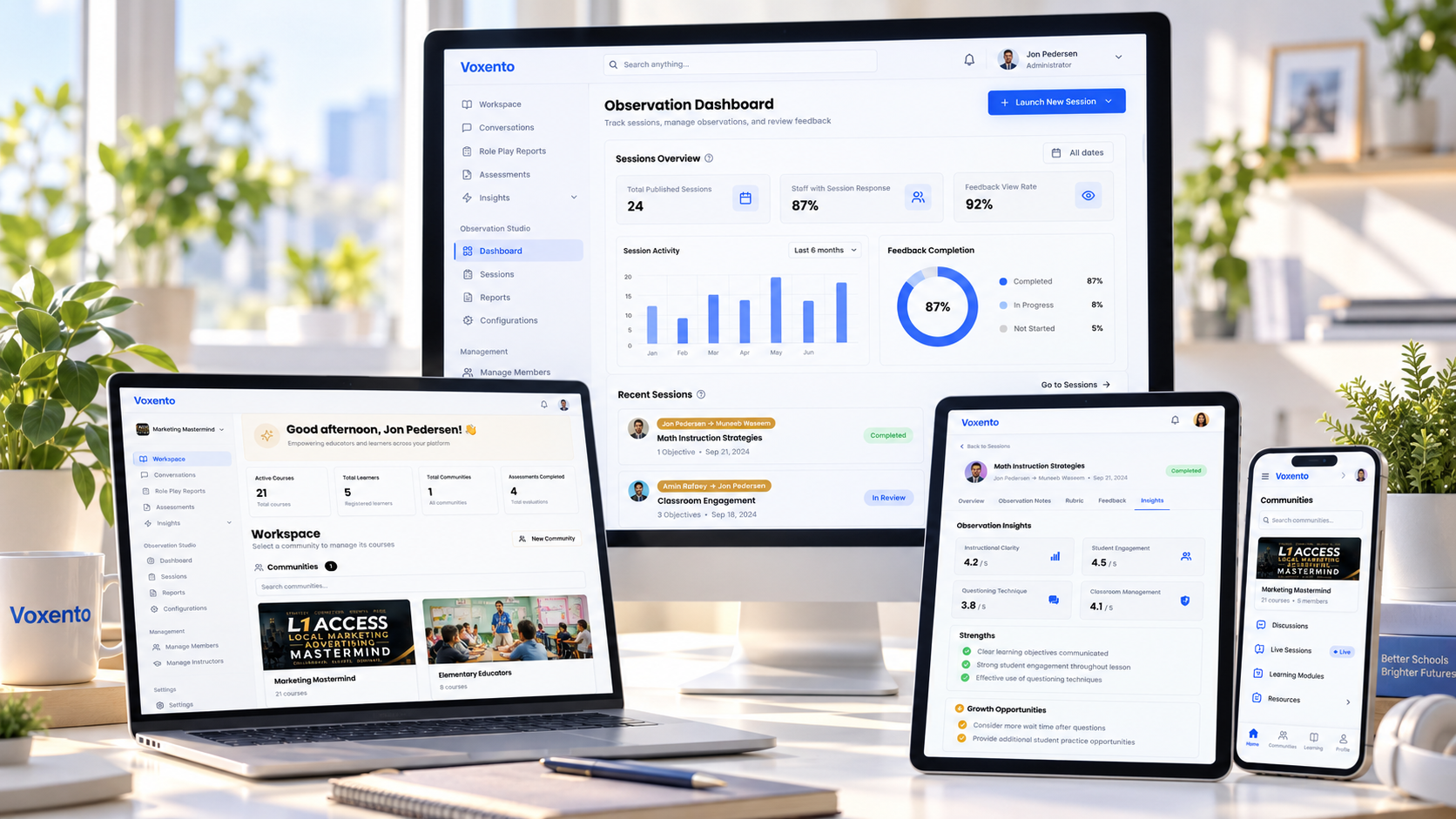
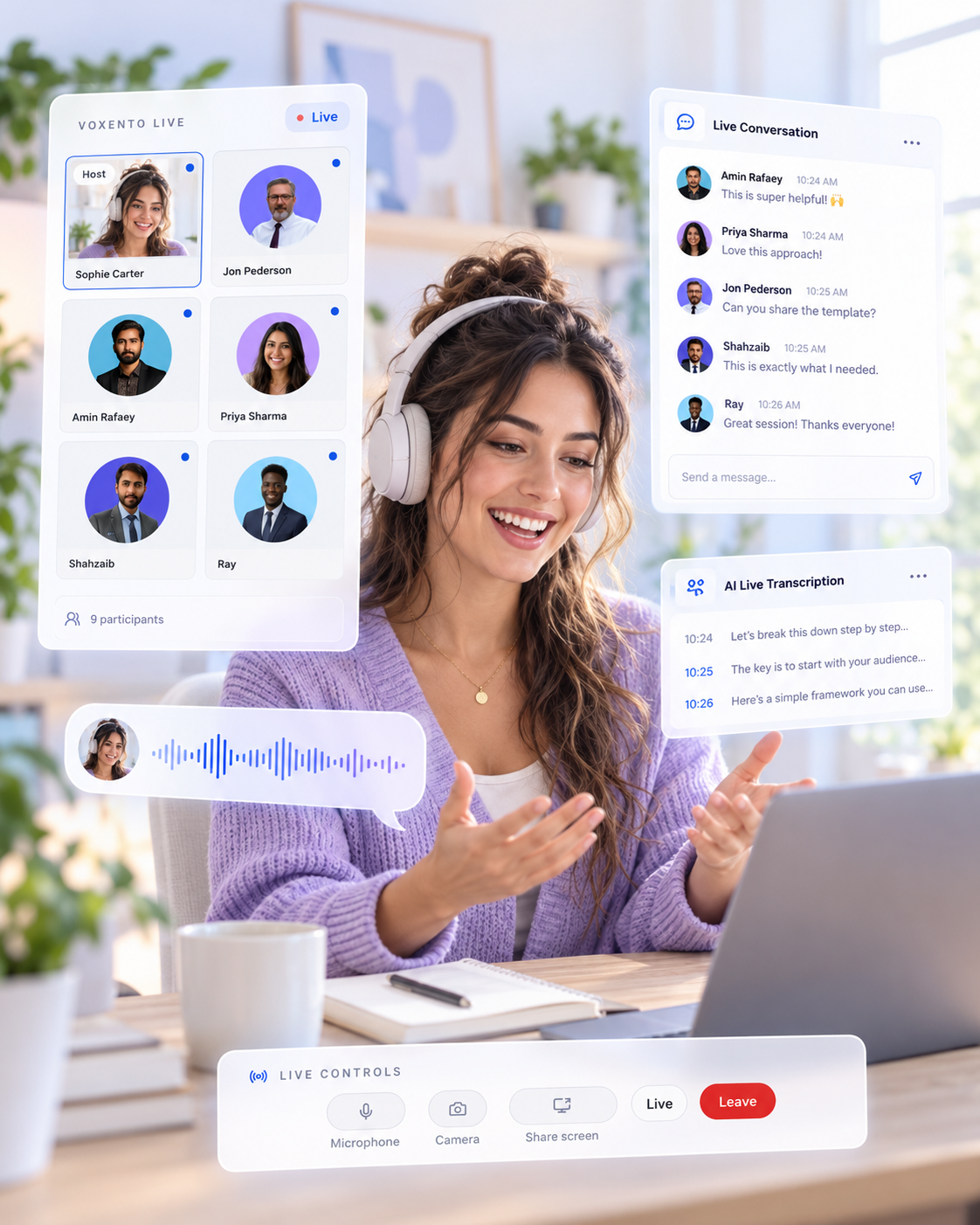
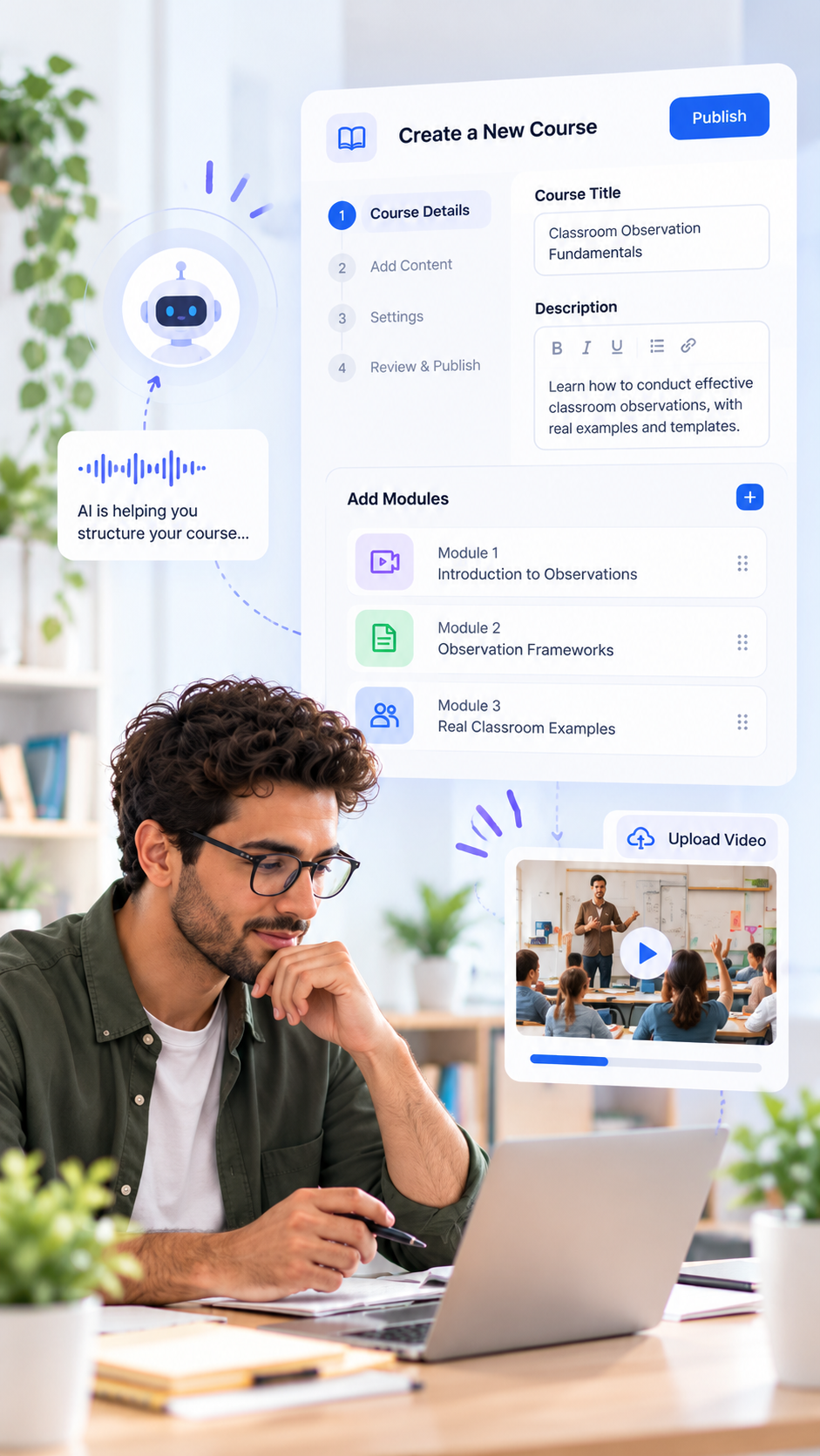
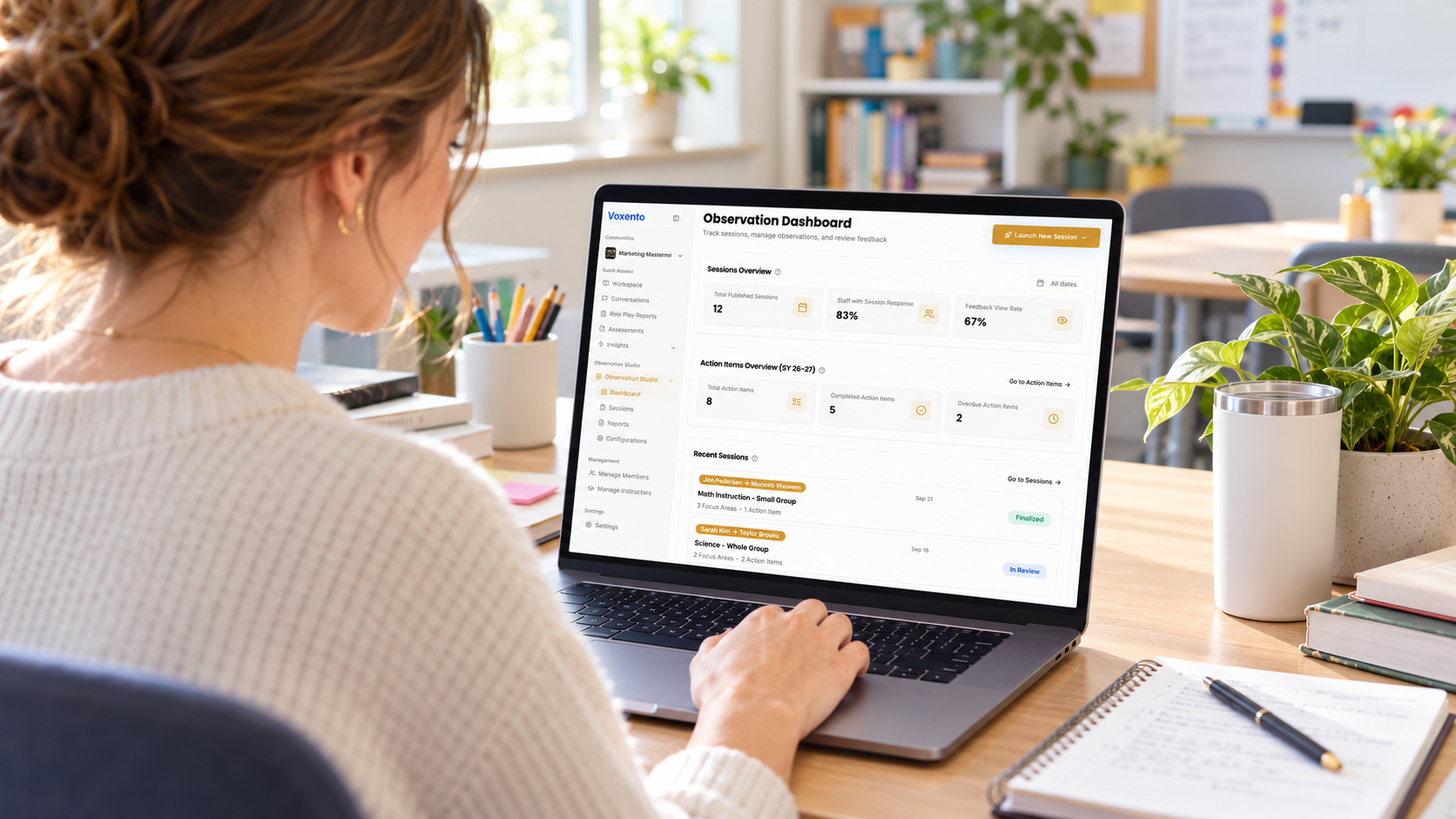
Voxento shows how AI training products need more than a conversation feature. Voice practice, transcription, course audio, assessments, and content workflows have to support a repeatable learning operation.
- Focus
- AI training platform development
- Proof
- Voxento, AI Communication, Transcription & Course Audio Modules
- Next lane
- Related service
The operating friction
Training teams need learners to practice, receive feedback, and move through content reliably. If AI voice or transcription is bolted on without learning workflow design, the product becomes impressive but hard to maintain or measure.
What we locked in early
Connect voice and transcription features to learning outcomes.
Keep content operations maintainable for training teams.
Design modules that support repeat practice, review, and improvement.
Plan analytics and assessment flows around learner progress.
When to buy and when to build
Buy when
- The training need fits a standard LMS and generic course delivery.
- Voice practice, transcription, or custom assessments are not important.
- The organization does not need branded or workflow-specific training modules.
Build when
- Learning workflows depend on voice practice, role play, custom feedback, or AI-assisted modules.
- Content operations need to match the organization's process.
- The product must become a branded platform rather than a course library.
Mistakes to avoid
Inside the related build
Assets before you scope
Related builds and categories

Slides Conversion
Slides Conversion is a dedicated Node.js microservice that ingests uploaded slide decks and converts them into interactive learning content. It powers the Voxento platform by processing PPTX and PDF uploads, extracting.

Mudrsec LMS / Arabic LMS
Mudrsec LMS was developed as an Arabic-focused learning management platform designed to support online education, course delivery, tutor interaction, and structured learning experiences.
ECY
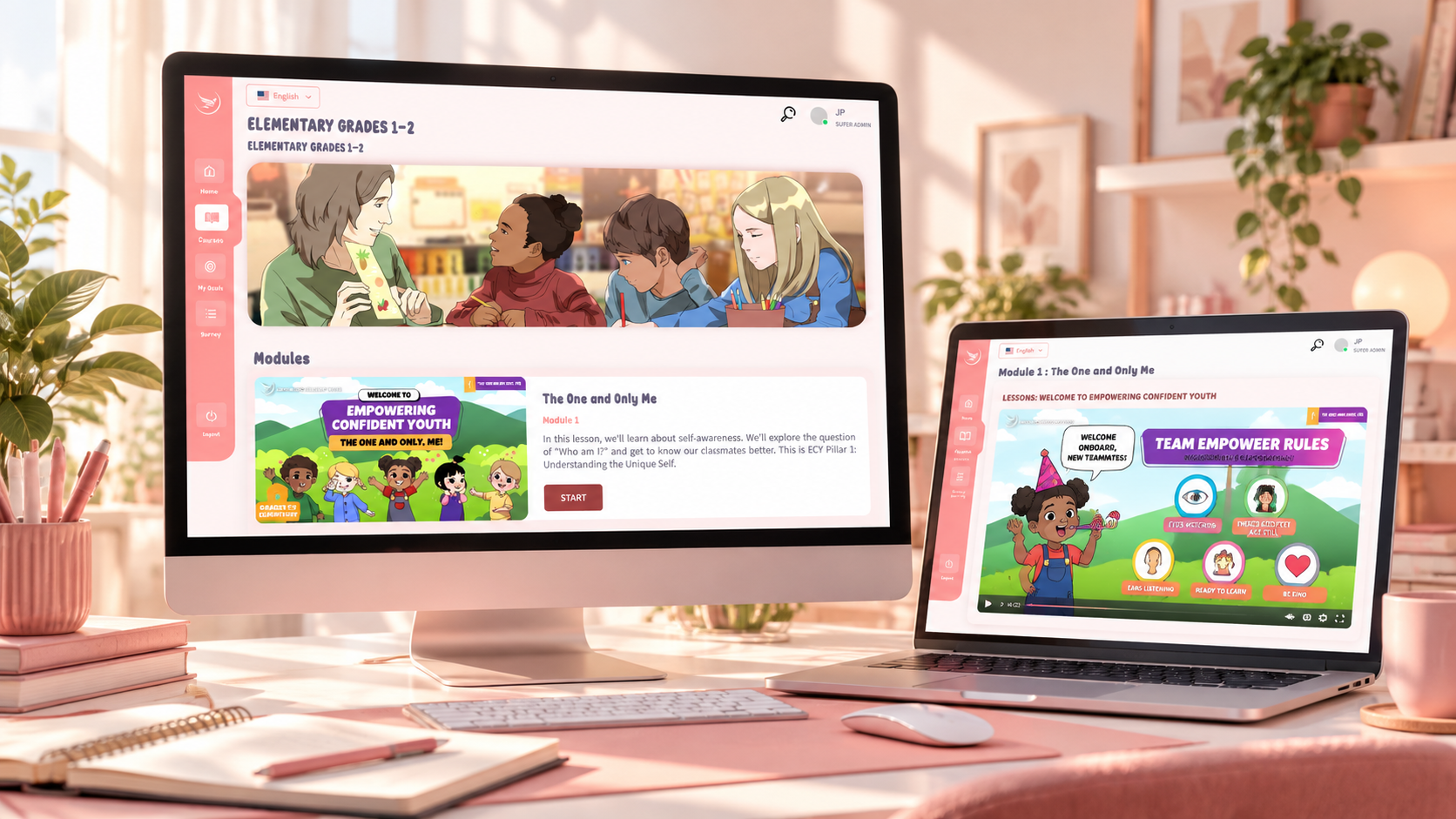
The old portfolio export did not include a written project description. This folder preserves the available project metadata and screenshots for portfolio organization. ECY needed a clearer education technology.
Straight answers
When should a training company build a custom AI learning platform?
Build when the training workflow requires custom practice, feedback, role play, transcription, analytics, or branded delivery that a standard LMS cannot support well. TkTurners treats this as an implementation decision, not a feature wishlist: confirm source-of-truth systems, ownership of exceptions, and the operator workflow before choosing buy vs build. The useful outcome is a system teams can run after launch, with clearer handoffs, fewer spreadsheet patches, and a path to expand automation once the foundation is stable. Buyers should ask what breaks when volume rises and who owns the failure path when an integration or AI answer is wrong.
How does voice AI help training workflows?
Voice AI can support role play, conversation practice, coaching, assessment, and repeatable feedback when it is connected to clear learning objectives. TkTurners treats this as an implementation decision, not a feature wishlist: confirm source-of-truth systems, ownership of exceptions, and the operator workflow before choosing buy vs build. The useful outcome is a system teams can run after launch, with clearer handoffs, fewer spreadsheet patches, and a path to expand automation once the foundation is stable. Buyers should ask what breaks when volume rises and who owns the failure path when an integration or AI answer is wrong.
What should be planned before adding transcription to an LMS?
Plan how transcripts will be used for feedback, search, assessment, content review, and admin operations. TkTurners treats this as an implementation decision, not a feature wishlist: confirm source-of-truth systems, ownership of exceptions, and the operator workflow before choosing buy vs build. The useful outcome is a system teams can run after launch, with clearer handoffs, fewer spreadsheet patches, and a path to expand automation once the foundation is stable. Buyers should ask what breaks when volume rises and who owns the failure path when an integration or AI answer is wrong.
Can course audio and AI modules live in the same platform?
Yes. They should be structured as part of the learning workflow so content, practice, and review reinforce each other. TkTurners treats this as an implementation decision, not a feature wishlist: confirm source-of-truth systems, ownership of exceptions, and the operator workflow before choosing buy vs build. The useful outcome is a system teams can run after launch, with clearer handoffs, fewer spreadsheet patches, and a path to expand automation once the foundation is stable. Buyers should ask what breaks when volume rises and who owns the failure path when an integration or AI answer is wrong.
Implementation next
Need the Voxento, AI Communication, Transcription & Course Audio Modules pattern in your stack?
Book a discovery call. We'll map the closest proof, the buy-vs-build call, and the first clean implementation step.