Operational checklist
API Integration Risk Map Checklist
Teams connecting CRMs, ERPs, storefronts, payment tools, dashboards, AI services, or internal systems. Use this checklist before connecting tools. It keeps the integration plan focused on source truth, failure modes, monitoring, and ownership instead of only the happy-path API call.

Checklist
- List every system, record type, event, webhook, and API endpoint involved.
- Choose source-of-truth rules for each record or workflow state.
- Document authentication, rate limits, pagination, and data-shape constraints.
- Define retry rules, duplicate handling, skipped records, and manual review paths.
- Plan logging, monitoring, alerts, and integration health visibility.
- Assign ownership for failures, fixes, credentials, and future API changes.
How to use this
Use the checklist to improve decisions before build
The failure path matters more than the first successful sync.
Source truth should be defined per record, not assumed globally.
Monitoring is part of the integration, not a post-launch luxury.
Internal proof cluster
Related proof for this checklist
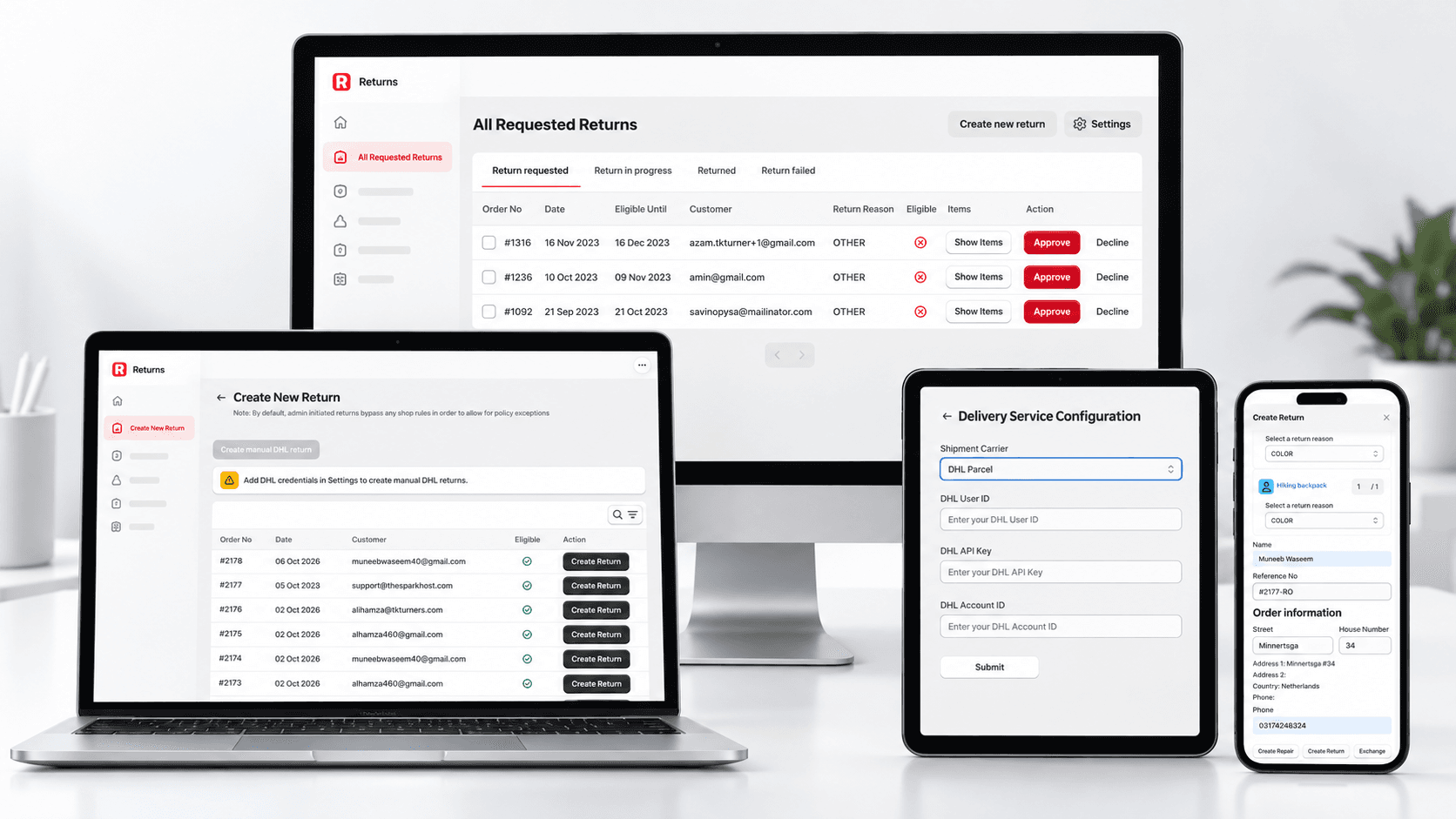
Shopify Return App
This is a custom Shopify app built using Next.js, GraphQL, Prisma, React Hook Form, and Shopify Polaris. The app is designed to extend Shopify store functionality through a seamless admin interface and embedded.
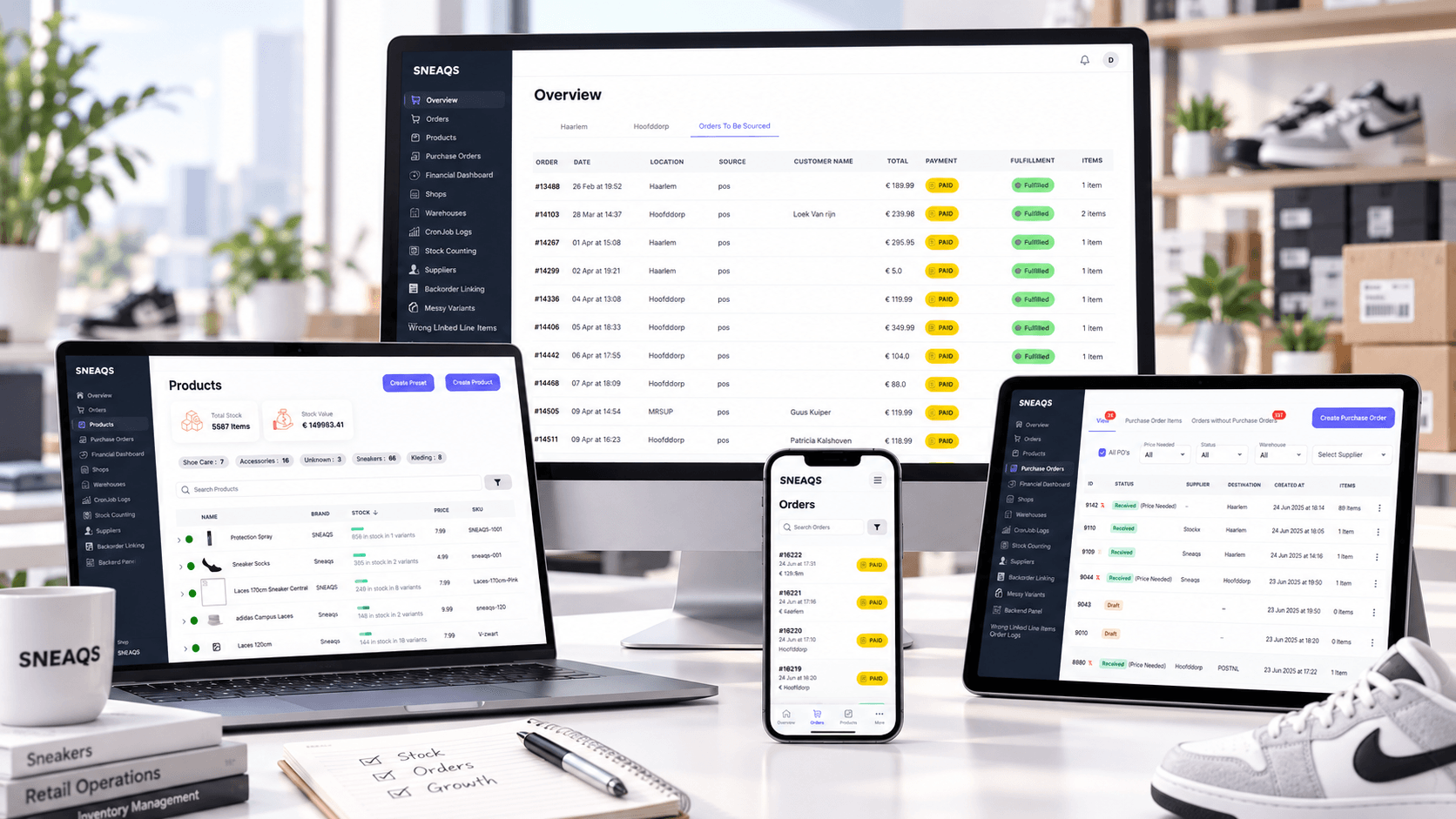
Sneaqs
Sneaqs is a powerful web application designed to streamline stock management, financial tracking, and inventory control for businesses. Whether you're managing multiple product variants or handling complex purchase.

Boom AI
At BoomAI, we’re building OAuth integrations with Stripe, QuickBooks, and Shopify so users can securely connect their official accounts. We fetch business data like orders, invoices, and financial records, store.