Integration Foundation Sprint for retail.
TkTurners helps US omnichannel retailers trace where storefront, ERP, payments and reporting disagree, then implement and test one agreed repair.
What we offer
Start with the Integration Foundation Sprint, then expand only after the operating foundation is stable.
Integration Foundation Sprint
Map breakdowns and ship the first high-leverage repair across the retail stack.
See the Retail Ops Sprint scopeStorefront & Order Sync
Keep order context intact from checkout into ops and finance systems.
See Shopify–NetSuite order syncERP / Inventory Alignment
Reduce spreadsheet truth and inventory mismatches across channels.
Explore ERP implementationPayments & Settlement Paths
Clarify payout, refund, and reconciliation handoffs.
Read the payment reconciliation guideReporting Truth Layer
Make operational reporting match what actually happened in the stack.
See how reporting ownership is assignedException Ownership Rules
Define who owns breaks, retries, and customer-facing fallout.
See how exceptions are assignedRevenue Automation Retainer
Expand automation only after the foundation stops leaking.
See what follows the sprintPredictive & Voice Modules
Add intelligence layers once the operating core is stable.
See when to add new modulesScope, timing and handoff for the first retail repair
What is the Integration Foundation Sprint?
It is the first-fix engagement for US omnichannel retail teams with fragmented systems. We trace one priority workflow, identify the owner of the records and exceptions, implement a scoped repair, and document what changed.
See the Retail Ops Sprint schedule and deliverablesHow does the Retail Ops Sprint fit?
The Retail Ops Sprint is the focused retail delivery path for one agreed workflow. It typically takes 10 working days once scope and dependencies are confirmed. A larger rollout across multiple workflows is scoped separately.
What access and examples should our team provide?
Bring a process owner, a technical contact, and real examples of a failed order, inventory update, refund, or report. We agree on access before implementation and document the system of record and who resolves exceptions.
What follows the first integration repair?
You receive a tested repair, an ownership handoff, and a prioritized list of remaining work. A broader rollout, Revenue Automation Retainer, Predictive Intelligence Module, or AI Voice Agent Module can be scoped once the operating foundation is stable.
See omnichannel engagement pricingRetail systems we connect
Commerce, ERP, payments, and reporting tools common to omnichannel retail brands.
 Shopify
 Square
 NetSuite
 Odoo
 n8nShopifySquareNetSuiteOdoon8nShopifySquareNetSuiteOdoo
 Stripe
 PayPal
 QuickBooks
 AWS
 MakeStripePayPalQuickBooksAWSMakeStripePayPalQuickBooksAWS
Built for US omnichannel retail brands
We stabilize fragmented storefront, ERP, payment, and reporting stacks before adding more automation.
Expert team
Founder-led implementation across omnichannel retail systems, not ticket-level handoffs.
Tailored solutions
Scoped to your systems, users, and operating constraints.
Fast turnaround
Audit first, then ship the repair or release that creates the clearest lift.
Long-term support
Handoff, ownership, and optional ongoing support so the system holds.
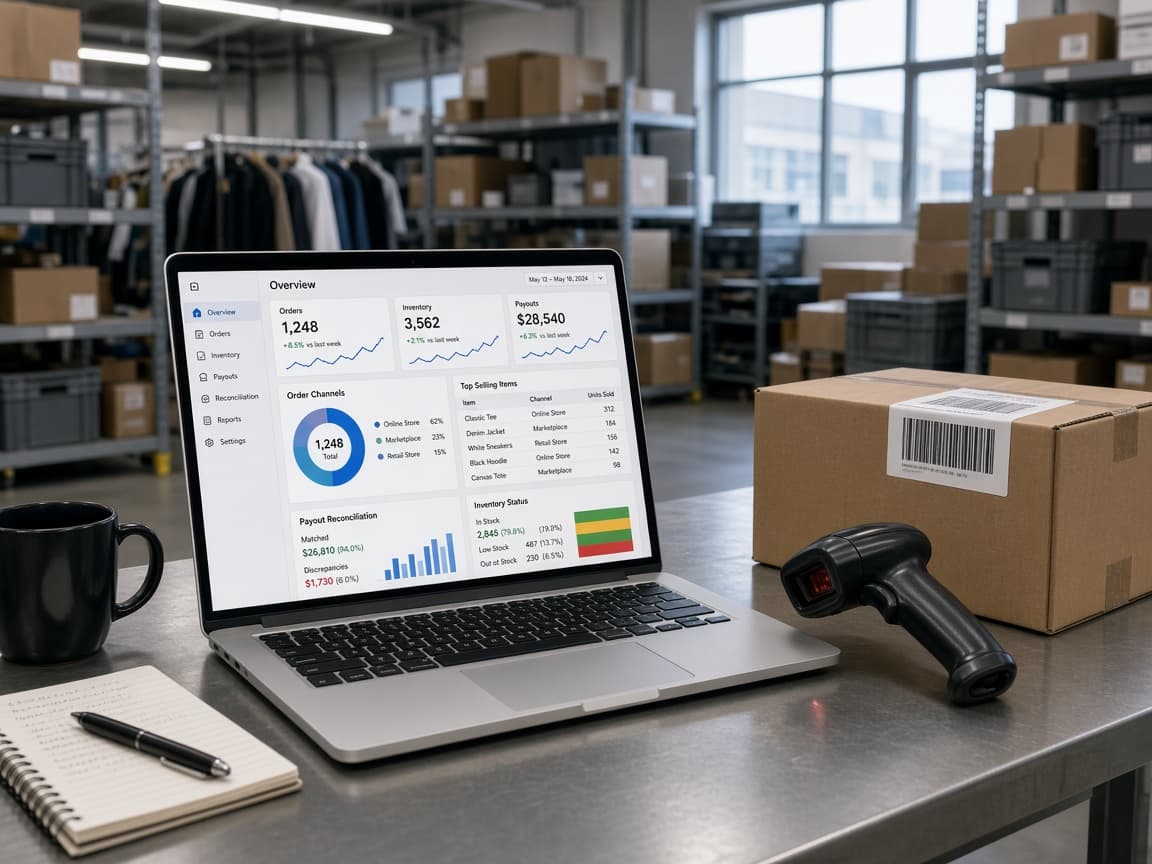
Simple steps to get started
Map the system. Fix the handoff. Build from a stable foundation.
- 01
Book a Systems Check
Review the retail systems integration gap, constraints, and what success should look like.
- 02
Plan & diagnose
Map workflows, systems, risks, and the first useful release path.
- 03
Implement
Build, integrate, and verify the highest-leverage work in production conditions.
- 04
Stabilize & hand off
Document ownership, confirm live behavior, and leave a system the team can run.
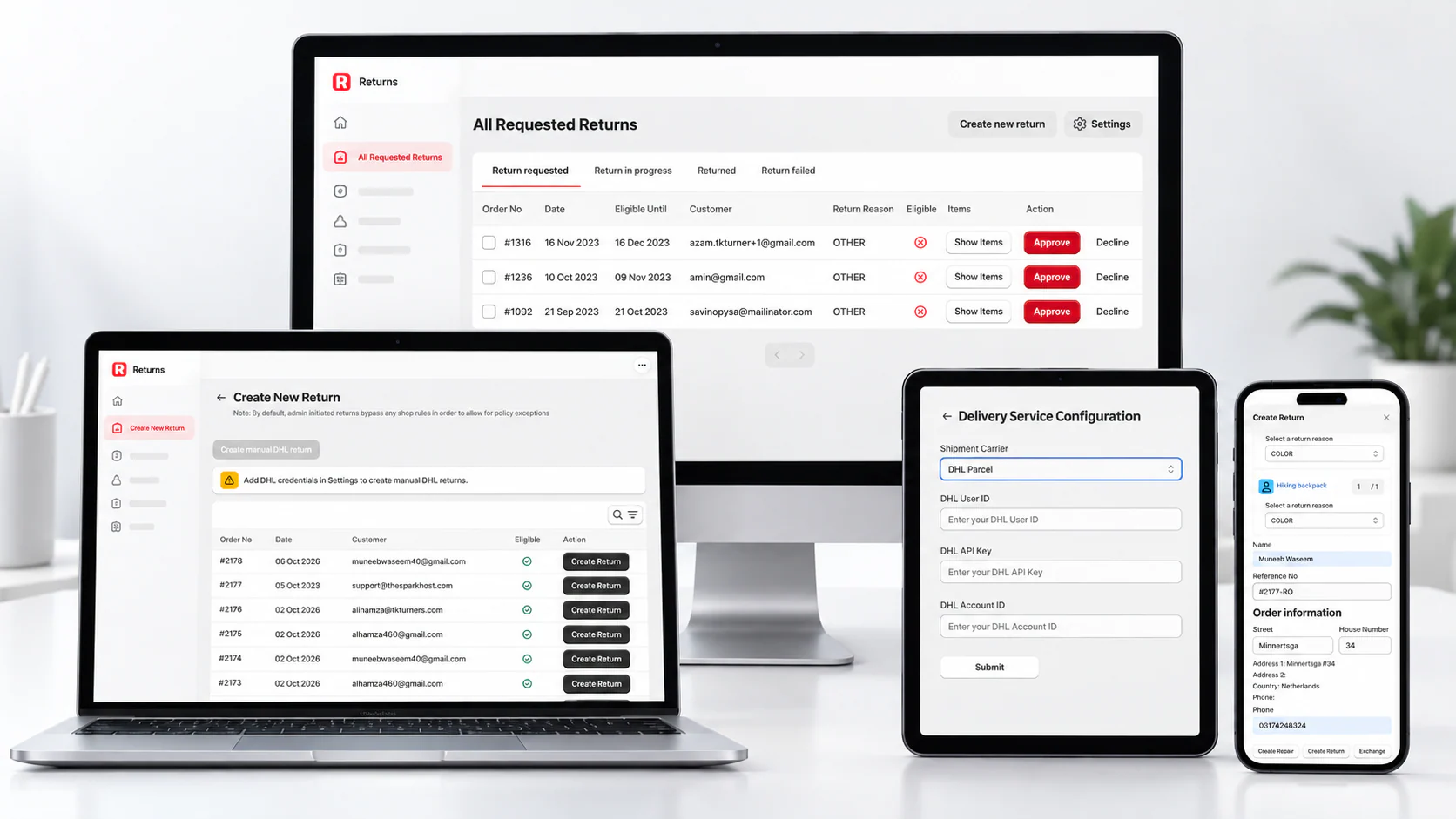
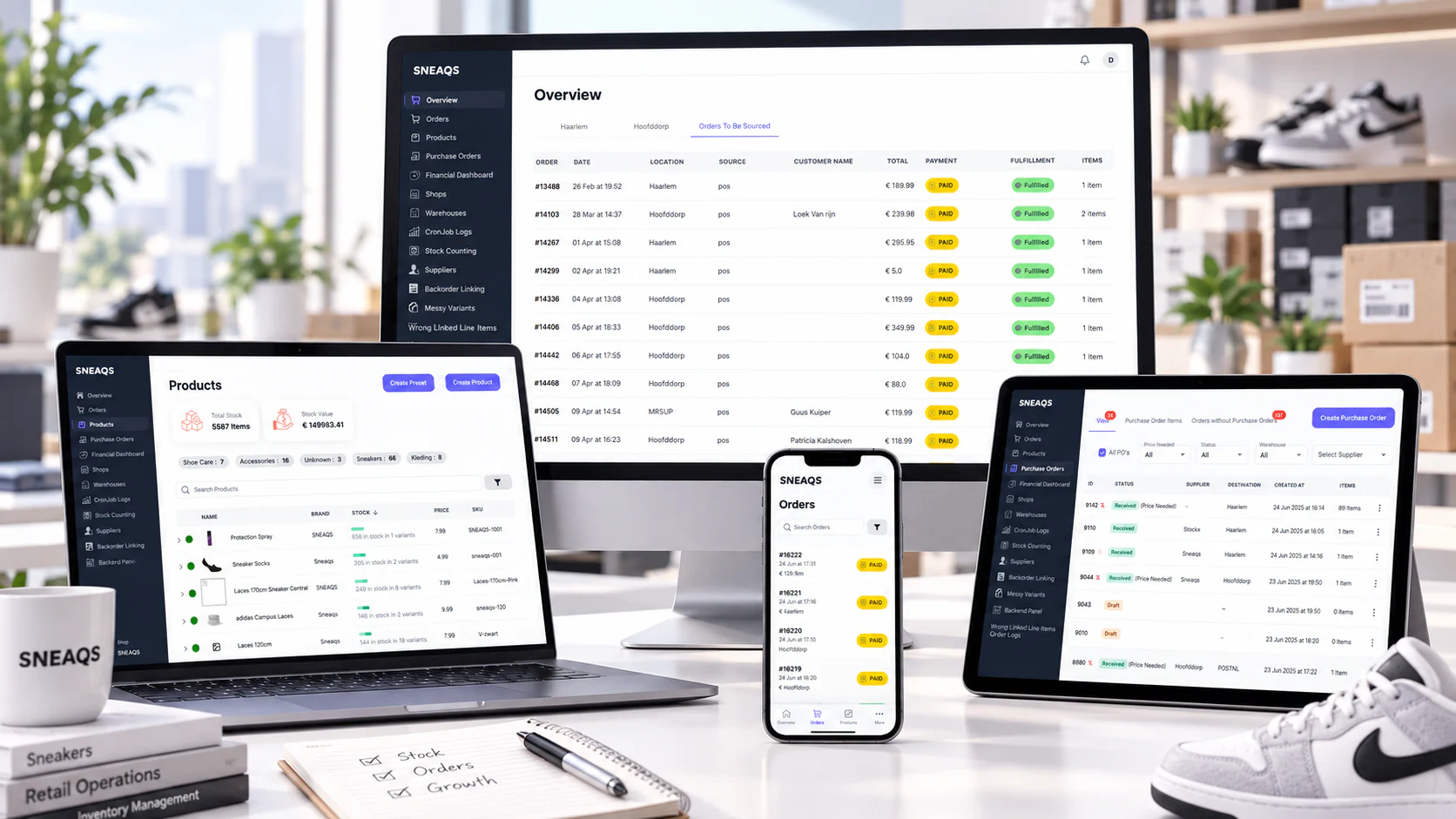
Selected retail and commerce systems
Work across storefronts, returns, portals, and operational handoffs.

Proven results. Clearer execution.
See how TkTurners repairs retail operating foundations before stacking more automation.
Sprint
First-fix engagement
Retail
Omnichannel focus
3+
Years building systems
Bring the retail systems gap to one systems check
We will map mismatches, ownership, and the first useful repair across your stack.