Use a mobile-first stack that supports fast iteration and native app behavior.
All case studiesFlagship case study
HomeFitAI Mobile AI Fitness Coaching App
HomeFitAI is a useful reference for mobile founders because it combines a native app experience with AI conversation, subscription access, authentication, and a repeatable coaching loop. The value is in making AI part of the daily product workflow rather than a novelty inside the app.
Business problem
The operating problem behind the build
Fitness coaching apps need to earn repeat use. If onboarding, account access, subscription state, and coaching interactions are disconnected, the product feels fragmented and users do not build a habit around it.
Implementation decisions
What mattered in the system design
Connect AI conversation to a real coaching journey instead of isolated answers.
Make sign-in and paid access low-friction so users can reach the core experience quickly.
Plan the app around repeat interactions, not a one-time generated plan.
Build vs buy
When to buy a tool and when to build
Buy when
The product can use a generic fitness template without custom coaching logic.
AI conversation is not central to user retention.
The business does not need control over subscriptions, account flows, or coaching data.
Build when
The coaching experience is the core product differentiator.
AI, voice, subscriptions, and user data must work together in one flow.
The business needs a branded mobile product with room for custom retention loops.
Mistakes to avoid
Practical risks this case study helps prevent
Adding AI before defining the coaching loop and success signals.
Treating payments, login, and onboarding as separate from product UX.
Creating a plan generator when the product needs ongoing coaching.
Skipping analytics around activation and repeat use.
Planning assets
Use the guide and checklist before scoping a similar build
Internal proof cluster
Related proof and next steps
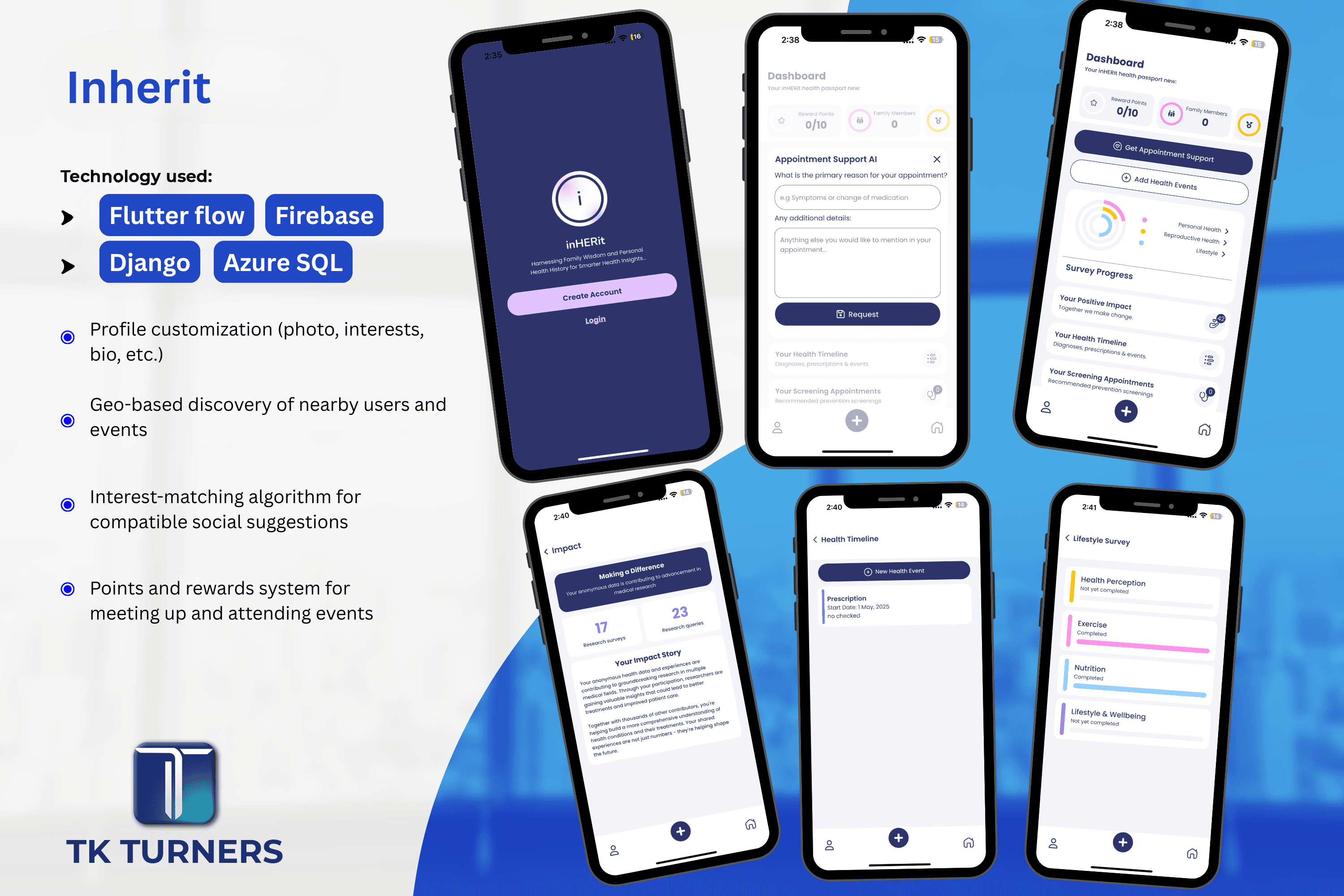
INHerit
inHERit health mobile app helps users unlock insights into their family health history by connecting with biological relatives.

Third Place
Connect with like-minded individuals on our social app, designed for both Apple and Android users.

Dojo+
A social platform where users can create profiles, showcase achievements, track event participation, and manage instructor certifications—all in one place.
Search questions
Questions this page helps answer
What should an AI fitness coaching app include?
It should include onboarding, user context, coaching interaction, progress or habit loops, account access, paid plan logic, and analytics that show whether users return.
When should a fitness app use voice AI?
Voice AI is useful when conversation, coaching, practice, or low-friction guidance improves the user experience more than typing or static plans.
Is React Native a good fit for AI mobile apps?
React Native can be a strong fit when the team needs a polished app experience across platforms while connecting to AI and backend services.
What is the biggest risk in AI coaching apps?
The biggest risk is building an impressive AI interaction that is not tied to a repeatable user habit, measurable outcome, or safe operating boundary.