Automating Seasonal Flavor Swaps to Slash Summer Subscription Churn: The DTC Retention Playbook
Automating Seasonal Flavor Swaps to Slash Summer Subscription Churn: The DTC Retention Playbook For directtoconsumer (DTC) subscription brands, the third quarter is notoriously fraught with retention hazards. As summer temperatures rise, routine consumer habits unravel: families travel, consumption

Automating Seasonal Flavor Swaps to Slash Summer Subscription Churn: The DTC Retention Playbook
For direct-to-consumer (DTC) subscription brands, the third quarter is notoriously fraught with retention hazards. As summer temperatures rise, routine consumer habits unravel: families travel, consumption patterns shift dramatically, and standard product cadences quickly trigger palate fatigue. When subscribers are met with rigid, unvarying deliveries of products suited for winter or spring, their natural response is to hit "pause"—a temporary measure that too often solidifies into permanent cancellation.
Combating the summer slump requires shedding passive retention models in favor of dynamic, automated variant orchestration. By systematically replacing static SKU deliveries with anticipated seasonal flavors and limited-edition product variations, high-growth DTC operators transform routine replenishment into high-engagement discovery. This playbook breaks down the exact automation schematics, frictionless 1-click architecture, logistical guardrails, and defensive retention funnels necessary to turn seasonal volatility into durable, expanded subscriber lifetime value.
1. Deconstructing the Summer Slump: Why Standard Subscription Cadences Break Down in Q3
Standard subscription cadences collapse during Q3 because seasonal lifestyle shifts—including vacations, warmer temperatures, and palate fatigue—interrupt regular consumption routines, driving subscribers to pause orders that ultimately convert into permanent churn. Automating seasonal flavor and variant swaps directly replaces obsolete default items with warm-weather alternatives, transforming routine stagnation into anticipated excitement and preserving customer lifetime value.

The Routine Disruption Trap: How Travel, Heat, and Palate Fatigue Erode LTV
The fundamental promise of subscription commerce is friction-free continuity. However, that model presupposes a stable domestic environment. In Q3, that assumption disintegrates. Subscribers travel on extended vacations, children are out of school, and daily schedules become unpredictable. In categories like functional beverages, coffee, nutritional powders, and gourmet pantry goods, consumer sensory appetites pivot sharply. A heavy, warming dark roast coffee or a rich chocolate whey protein that felt indispensable in January becomes unappealing in July heat waves.
When a brand fails to accommodate this sensory shift, the product accumulates on the pantry counter. This phenomenon—"product surplus"—is a primary driver of subscription decay. When deliveries outpace consumption or when novelty wanes, subscribers routinely abandon recurring replenishment services. Palate fatigue sets in after consecutive identical deliveries, eroding perceived value and driving subscribers to reconsider recurring costs.
The Illusion of "Skip": Why Passive Pauses Rapidly Convert into Permanent Cancellations
When confronted with product surplus or mismatched seasonal flavors, subscribers naturally turn to the "Skip Order" or "Pause Subscription" function. DTC operators often celebrate a skipped delivery as a retention victory, believing they have prevented an outright cancellation.
In reality, passive skips frequently function as delayed cancellations:
- Out-of-Sight Decay: Once a scheduled renewal is pushed back 30 or 60 days, the psychological habit loop is severed. The subscriber learns they can navigate their daily routine without the shipment.
- Accumulated Inertia: By the time the deferred billing cycle approaches, the subscriber has not worked through their existing supply, leading to a second skip or an immediate cancellation.
- Low Reactivation Rates: Subscribers who execute repeated skips have a significantly elevated probability of permanent cancellation within subsequent billing cycles, as deferred deliveries weaken consumption habits.
Relying on "Skip" as your primary buffer against summer disruption is an unsustainable strategy. Brands must replace passive deferrals with active variant substitution. Instead of asking subscribers whether they want to delay their box, brands should offer an irresistible seasonal adaptation: replacing a heavy winter profile with a crisp, refreshing, limited-edition summer SKU.
Churn vs. Swap Economics: Benchmarking the Retention Lift of Automated Variant Replacements
The financial divergence between passive retention (accommodating skips and cancellations) and active retention (automated swaps) is substantial. Consider an illustrative financial model for a hypothetical DTC subscription beverage brand with 25,000 active subscribers paying an average order value (AOV) of $55 on a monthly billing frequency:
| Modeled Retention Metric (Illustrative Scenario) | Passive Portal Baseline (Status Quo) | Automated Variant Swap Architecture | Projected Net Impact |
|---|---|---|---|
| Q3 Monthly Churn Rate | 8.5% | 5.8% | -270 bps reduction |
| Average Skips Per 1,000 Orders | 180 | 72 | -60% reduction |
| Swap Adoption Rate | 4.2% (portal navigation) | 28.5% (automated 1-click) | +578% lift |
| Blended 90-Day LTV | $148.50 | $182.20 | +$33.70 per subscriber |
| Preserved Q3 Revenue | Baseline | +$112,000 / month | Accelerated cash flow |
When subscribers switch variants rather than pausing their cadence, recurring revenue remains steady, inventory turnover stays predictable, and customer lifetime value (LTV) expands. Automated variant swaps deliver novelty without requiring customer re-acquisition, dramatically lowering blended CAC-to-LTV ratios throughout the summer contraction.
2. Eliminating Friction: Moving from Passive Customer Portals to Automated 1-Click Swaps
Traditional customer portals fail because multi-step login authentication creates steep friction that discourages subscribers from making manual modifications. Implementing automated 1-click tokenized deep-links across SMS and email removes login barriers entirely, allowing subscribers to execute instant flavor and variant swaps in a single touch.
The Friction Tax: Why Login Walls and Portal Complexity Kill Subscriber Engagement
The legacy DTC subscriber experience places the entire burden of customization on the consumer. To change a flavor, a subscriber must:
- Locate the brand's website.
- Click the customer portal login button.
- Recall an obscure password or request a magic email authentication link.
- Navigate through a multi-tab dashboard.
- Identify the active subscription profile.
- Browse an uncurated product catalog to find a new variant.
- Confirm the modification before the upcoming billing cycle locks.
This operational drag represents a steep "friction tax." Extensive checkout and usability research compiled by the Baymard Institute shows that forced account creation and complex site navigation systematically suppress consumer completion rates, contributing to online abandonment rates of approximately 70%. For mobile-first consumers juggling summer activities, a multi-step login wall is an insurmountable hurdle. When faced with portal friction just to change an upcoming flavor, customers default to the easiest path: ignoring the notification until the unwanted item ships (spurring an angry support ticket) or hitting the cancellation link.
Zero-Click Architecture: Leveraging Tokenized Deep-Links Across SMS and Email Workflows
To eliminate portal friction, high-performing DTC retention engines implement tokenized, zero-click and one-click architecture. This framework relies on dynamically generated, cryptographically signed URLs embedded directly inside outbound lifecycle communications.
Instead of directing the customer to a generic login screen, the system generates a unique URL containing:
- The customer's unique account hash.
- The specific active subscription ID targeted for modification.
- The target replacement product and variant ID (
variant_id). - An encrypted security timestamp preventing replay attacks or unauthorized tampering.
When the subscriber taps the link from an email or SMS, the endpoint automatically authenticates the session, executes the API mutation to swap the line item, and routes the user to a branded confirmation page displaying their updated delivery details. Platforms utilizing programmatic quick actions allow brands to execute one-click product swaps directly via pre-built template tags, entirely bypassing authentication portals.
+-------------------------------------------------------------+
|                     OUTBOUND TRIGGER                        |
|   (Klaviyo / Attentive 7-10 Days Pre-Renewal Notification)  |
+-------------------------------------------------------------+
                               |
                               v
+-------------------------------------------------------------+
|                  TOKENIZED DEEP-LINK URL                    |
|   https://brand.com/tools/recurring/swap?                   |
|   token=enc_7f9a2b1c&sub_id=88319&target_variant=4091823    |
+-------------------------------------------------------------+
                               |
                               v
+-------------------------------------------------------------+
|                   SUBSCRIPTION API MUTATION                 |
|   Endpoint: POST /subscriptions/{id}/swap                   |
|   Status: Authenticated via One-Time Token                  |
+-------------------------------------------------------------+
                               |
                               v
+-------------------------------------------------------------+
|              INSTANT CONFIRMATION & RECEIPT                 |
|   Subscriber sees confirmation page: "Summer Watermelon     |
|   confirmed for your July 15 delivery!"                     |
+-------------------------------------------------------------+
The Tech Stack Pairing: Orchestrating Klaviyo and Attentive with Recharge and Smartrr
Achieving an automated variant swap workflow requires tightly integrated communication engines and subscription billing layers.
       +-------------------------------------------------+
       |         SUBSCRIPTION & COMMERCE ENGINES         |
       |             (Recharge / Smartrr)                |
       +-------------------------------------------------+
                         |                     ^
   Webhook Event:        |                     | API Mutation:
   "Upcoming Order"      |                     | 1-Click Swap /
   (7-10 Days Prior)     v                     | Keyword Update
       +-------------------------------------------------+
       |           MESSAGING & ORCHESTRATION             |
       |             (Klaviyo / Attentive)               |
       |  - Tokenized Magic Link Injection               |
       |  - Two-Way Conversational Keyword Logic         |
       +-------------------------------------------------+
1. Recharge & Klaviyo
By connecting Recharge to Klaviyo via the official Klaviyo Recharge integration guide, recurring order milestones—such as Upcoming Order or Subscription Created—flow continuously into Klaviyo's customer profile timeline. Within Klaviyo flow templates, developers can dynamically inject swap URLs using syntax like:
{{ trigger.getShopifySwapSubscriptionURL(variantId = '4109823901923') }}
Merchants can also assemble stackable rules—such as swapping a standard SKU to a limited-edition summer flavor while adding a complimentary travel cooler bag—into a single link.
2. Smartrr & Attentive
Brands running on modern membership setups leverage subscription management portals to provide passwordless authorization alongside dynamic one-click loyalty incentives. Paired with Attentive, events from the subscription contract trigger personalized SMS alerts where subscribers can swap variants, add one-time summer add-ons, or adjust delivery intervals without visiting a website.
3. The End-to-End Automation Blueprint: Trigger Schematics and Copy Frameworks
To execute seasonal swaps seamlessly, direct-to-consumer brands must trigger pre-renewal webhook events 7 to 10 days before billing to present timely, limited-edition flavor choices via automated email flows and two-way SMS reply mechanics. This precise timing gives subscribers ample agency to swap variants natively in their messaging thread before warehouse fulfillment locks down order details.

Timing the Drop: Configuring 7- to 10-Day Pre-Renewal Webhook and Flow Triggers
Timing is the linchpin of subscription automation. Firing a notification too close to renewal (e.g., 24 hours prior) induces anxiety, triggers reactive cancellations, and risks collisions with 3PL order batching windows. Firing too early (e.g., 21 days prior) means subscribers cannot reliably forecast their remaining inventory.
The optimal operational window is 7 to 10 days prior to order generation:
- Day T-10: The subscription engine fires an
Upcoming Order Scheduledwebhook to the marketing automation platform (Klaviyo/Attentive). - Day T-9: The system checks customer tags. If the subscriber is on a standard core SKU (e.g., "Vanilla Dream") and has completed at least two billing cycles, they enter the Summer Seasonal Swap Flow.
- Day T-8: A teaser and 1-click swap offer is dispatched via SMS or dynamic email.
- Day T-4: A follow-up conditional check runs. If the subscriber has not interacted or swapped variants, a subtle "Last Call for Seasonal Selection" notification is sent.
- Day T-0: The subscription engine charges the customer and generates the fulfillment order in the ecommerce back-end with the verified variant ID.
High-Converting Email & SMS Frameworks for Limited-Edition Seasonal Reveals
To maximize swap conversion, the creative asset must frame the variant change as an exclusive subscriber privilege rather than an administrative task. Scarcity, sensory language, and clear 1-click calls-to-action drive high engagement.
Framework 1: The VIP Early-Access Reveal (Email Template)
- Subject Line: Your upcoming box just got a summer upgrade 🍓
- Preview Text: Swap your July delivery to Wild Strawberry Hibiscus with one tap.
- Header Graphic: High-contrast editorial imagery showcasing the seasonal can/tub surrounded by ice.
- Body Copy:
"Hey {{ first_name|default:'there' }},
Summer routines demand a refreshing reset. Before your upcoming monthly order processes on {{ event.scheduled_at|date:'MMMM d' }}, we’re giving active members first access to our limited-batch seasonal release: Wild Strawberry Hibiscus.
Crafted with real organic botanicals and crisp citrus notes, it’s formulated specifically to keep you hydrated and energized through the Q3 heat.
Don't want your usual Vanilla order this month? Tap below to swap your upcoming shipment instantly—no passwords, no portal logins required."
- Primary CTA Button:
[ Swap to Wild Strawberry Hibiscus in 1 Tap ](Embedded with tokenized swap URL) - Secondary Text Link: Keep my usual Vanilla delivery →
Framework 2: The Scarcity-Driven Pre-Renewal SMS
"[Brand Name]: Hey {{ first_name }}, your subscription renews on {{ event.scheduled_at|date:'M/d' }}. Beat the summer heat—swap your regular cold brew for our limited-batch Coconut Nitro Reserve before it sells out. Tap once to swap your July box: {{ dynamic_swap_link }} (Reply STOP to opt out)"
Two-Way SMS Mechanics: Executing Zero-Friction Keyword Swaps Directly in Thread
While tokenized links eliminate login friction, conversational text messaging removes browser steps entirely. By deploying conversational two-way SMS messaging, brands allow subscribers to complete variant modifications simply by texting a keyword back to the brand's short code.
[ Automated SMS sent 8 Days Before Billing ]:
"Brand: Your July shipment is scheduled to ship soon! Want to swap
your usual Citrus Greens for our limited Summer Mango Peach?
Reply 'MANGO' to automatically update your upcoming order."

[ Customer Reply ]:
"MANGO"

[ Instant Automated Confirmation Response ]:
"Done! 🥭 We've updated your subscription to Summer Mango Peach
for your upcoming July 14 delivery. No other changes were made.
Manage anytime: [ShortLink]"
Behind the scenes:
- The subscriber’s inbound response matches an active conversational branch.
- An Attentive journey triggers a webhook call to an intermediate middleware (such as Mesa, Alloy Automation, or custom AWS Lambda).
- The middleware issues a
PUT /subscriptions/{subscription_id}call to the Recharge or Smartrr REST API, modifying theshopify_variant_idon the pending order. - The system sends an immediate confirmation SMS confirming the successful transaction.
4. Operational Guardrails: Synchronizing Variant Automation with ERP and 3PL Logistics
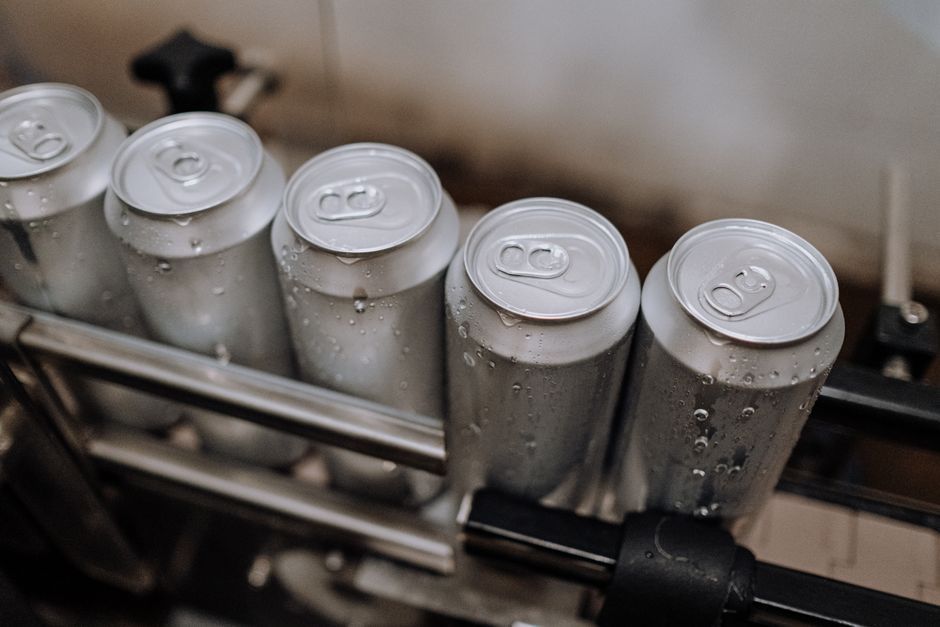
Variant swap automation must be strictly synchronized with ERP and 3PL warehouse systems using dynamic safety stock buffers, virtual SKU bundling, and automated depletion fallbacks to prevent catastrophic overselling during high-velocity seasonal drops. When a seasonal variant breaches minimum inventory thresholds, automated workflows must instantly re-route incoming orders to approved core best-sellers without disrupting order generation.
Dynamic Inventory Thresholds: Throttling Automated Swaps to Prevent Seasonal Stockouts
Limited seasonal runs present real inventory constraints. Unlike evergreen flagship SKUs that maintain rolling production, seasonal variants are produced in fixed, discrete production runs. For example, in a hypothetical scenario where an automated campaign achieves a 35% swap conversion rate across a 50,000-subscriber base, it would instantly exhaust 17,500 units of inventory, triggering stockouts and delayed backorders.
To avoid overselling, technical teams must establish automated inventory governors and webhook endpoints:
- The Safety Stock Buffer: Establish a strict allocation pool. If production yields 10,000 units of a seasonal variant, allocate a maximum of 7,000 units to subscription swaps, holding 3,000 units for DTC acquisition or replacement shipments.
- Real-Time Throttling: Connect inventory states via webhooks to your marketing automation platform. When available inventory on hand drops below a critical threshold (e.g.,
< 500 units), an automated trigger updates custom list properties or disables the Klaviyo flow and Attentive two-way SMS paths. - Audience Capping: Segment swap outreach into rolling waves (e.g., 20% of the cohort per day) rather than a single database-wide blast, ensuring inventory intake matches fulfillment capacity.
SKU-Mapping and Bundle Kitting: Eliminating Warehouse Delays During High-Velocity Drops
Fulfillment breakdowns often occur when marketing bundles do not map cleanly to warehouse pick locations. If a summer campaign offers a "Summer Variety Box" (swapping four separate component flavors into a custom box), warehouse operators must know whether to pick a single pre-assembled kit or individually pick separate cans.
In warehouse and fulfillment operations, brands must distinguish between pre-assembled physical kits and virtual bundles:
- Pre-Assembled Kits: Distinct parent SKUs that are physically pre-boxed before receiving. They carry dedicated barcodes and are picked as a single unit, maximizing picking speed during seasonal surges.
- Virtual Dynamic Bundles: Software-assembled bundles where individual component SKUs are picked directly from warehouse shelves.
When executing high-velocity automated seasonal swaps, brands should configure dynamic SKU mapping in their middleware or OMS. When a subscriber selects a seasonal variant, the incoming order line item should instantly resolve to the exact physical pick-ticket SKU required by the 3PL WMS (Warehouse Management System), avoiding manual reconciliation or fulfillment bottlenecks.
Automated Depletion Fallbacks: Routing to Secondary Best-Sellers Without Order Disruptions
What happens when a subscriber clicks a 1-click swap link after the seasonal inventory has completely sold out?
Without defensive error-handling, the system will throw an unhandled API error, or worse, queue an unfulfillable backorder that halts shipment processing.
Brands must configure automated depletion fallback logic:
[ Subscriber Taps Swap Link ]
              |
              v
[ System Checks Real-Time Inventory Level ]
              |
      +-------+-------+
      |               |
[ Stock Available ]   [ Out of Stock (<= 0) ]
      |               |
      v               v
Update Subscription   Route to Fallback Routing Engine:
to Seasonal SKU       - Gracefully prevent order lockup
                      - Display Depletion Notification:
                        "Sold out! We've secured our popular
                        Citrus Twist for your box instead."
                      - Assign secondary warm-weather SKU
                      - Inject $5 loyalty credit onto account
By establishing this conditional branch in your subscription engine, subscribers never encounter broken flows or unfulfilled orders.
5. Defensive Retention: Embedding Seasonal Variant Offers Directly into Cancellation Flows
Embedding exclusive seasonal variant offers directly into cancellation exit surveys intercepts voluntary churn by addressing palate boredom with scarcity-driven alternatives before a subscriber confirms cancellation. By dynamically substituting cancellation with a high-appeal seasonal swap or reactivating dormant cohorts via summer scarcity campaigns, brands can deflect voluntary churn and drive sustained Q4 lifetime value.

Conditional Exit-Intent Logic: Swapping the "Cancel" Button for an Exclusive Summer Drop
Standard cancellation flows fail because they treat every exiting subscriber identically, presenting generic "Are you sure?" prompts or blunt discount codes. Effective defensive retention applies conditional routing based on the subscriber's declared cancellation reason.
Inside the cancellation funnel (powered by tools like Smartrr, Recharge Retain, or custom headless customer portals), configure targeted rules:
- The Trigger Reason: The subscriber selects "I have too much product" or "I'm bored with the flavor / want something different."
- The Conditional Intervention: Rather than offering a generic 10% discount, the interface displays an exclusive retention modal:
"Before you go—did you know our limited-edition Watermelon Mint just dropped for summer? Because you’ve been a loyal member for 4+ months, we’ve reserved one box for your next delivery. Would you like to try this exclusive flavor instead of canceling?"
- The 1-Click Resolution: The interface presents two buttons:
[ Yes, Swap My Next Box to Watermelon Mint ][ No thanks, proceed to cancel ]
Presenting an immediate, relevant variant replacement allows brands to deflect cancellations driven by product surplus or palate fatigue, giving subscribers an appealing alternative to canceling entirely.
Dynamic Lapsed Subscriber Triggers: Reactivating Dormant Cohorts via Seasonal Scarcity
Seasonal releases provide an authentic, high-converting opportunity to re-engage past subscribers who churned during Q1 or Q2. Because these consumers are already familiar with your core product, a seasonal release gives them a compelling reason to return without feeling like a generic sales pitch.
To build an automated seasonal reactivation engine:
- Cohort Identification: Segment your customer database for profiles where
Subscription Status = Cancelled,Churn Reason != Bad Quality / Support Issue, andMonths Inactive <= 6. - Scarcity-Driven Messaging: Build an automated 3-part campaign:
- Message 1 (VIP Early Access): "As a former member, we’re giving you first access to our limited summer release before public launch."
- Message 2 (Sensory Focus): Showcase high-resolution unboxing imagery and flavor profiles highlighting how this release differs from core SKUs.
- Message 3 (Frictionless Reactivation Link): Embed a pre-authenticated 1-click reactivation URL that automatically creates a new subscription populated with the seasonal variant and an introductory discount code.
Measuring Post-Summer Retention: Tracking Cohort LTV Expansion and Cross-Variant Velocity into Q4
The ultimate measure of a seasonal swap strategy extends far beyond surviving Q3 churn—it lies in how well those swapped cohorts perform entering Q4 holiday retail cycles.
To evaluate campaign performance, track three core retention metrics:
- Swap-to-Evergreen Transition Velocity: What percentage of subscribers who swapped to a seasonal summer variant smoothly transitioned back to a flagship core SKU (or an upcoming autumn/winter seasonal variant) in September?
- Net Cohort LTV Expansion: Compare the multi-month LTV of subscribers who executed an automated seasonal swap against a control cohort that remained on static subscriptions or executed traditional skips. Swapped cohorts consistently demonstrate expanded multi-month LTV due to sustained engagement and habit preservation.
- Reactivation LTV: Track the retention curves of lapsed subscribers reactivated via seasonal campaigns. These subscribers typically show lower early attrition rates because their return was driven by deliberate product interest rather than aggressive acquisition discounts.
Conclusion: Turning Seasonal Volatility into a Permanent Retention Engine
The summer slump is not an unavoidable seasonal reality—it is a byproduct of static subscription models that fail to match real-world consumer behavior. By continuing to deliver the same winter-oriented variants while demanding that customers navigate cumbersome login portals to manage their deliveries, brands invite subscriber attrition.
Automating seasonal flavor and variant swaps transforms Q3 from a period of defensive contraction into a proactive retention driver. By coupling frictionless, tokenized 1-click architecture across Klaviyo and Attentive with synchronized 3PL inventory safeguards and intelligent cancellation interventions, DTC operators eliminate login barriers and conquer palate fatigue.
The infrastructure you establish to automate summer swaps does not expire on Labor Day. The identical triggers, webhook architectures, and two-way messaging flows will seamlessly power your autumn pumpkin spice launches, winter holiday variety drops, and spring wellness campaigns—turning seasonal cycles into a reliable, year-round subscriber retention engine.



Next step
Need help applying this pattern?
Bring the bottleneck and the stack. We will map the first implementation path.