The Reporting and Finance Visibility Cascade: Why Dashboard Numbers Shift Without Business Events
Numbers changing between dashboards is not a reporting glitch — it is a cascade rippling across storefront, ERP, payments, and finance.
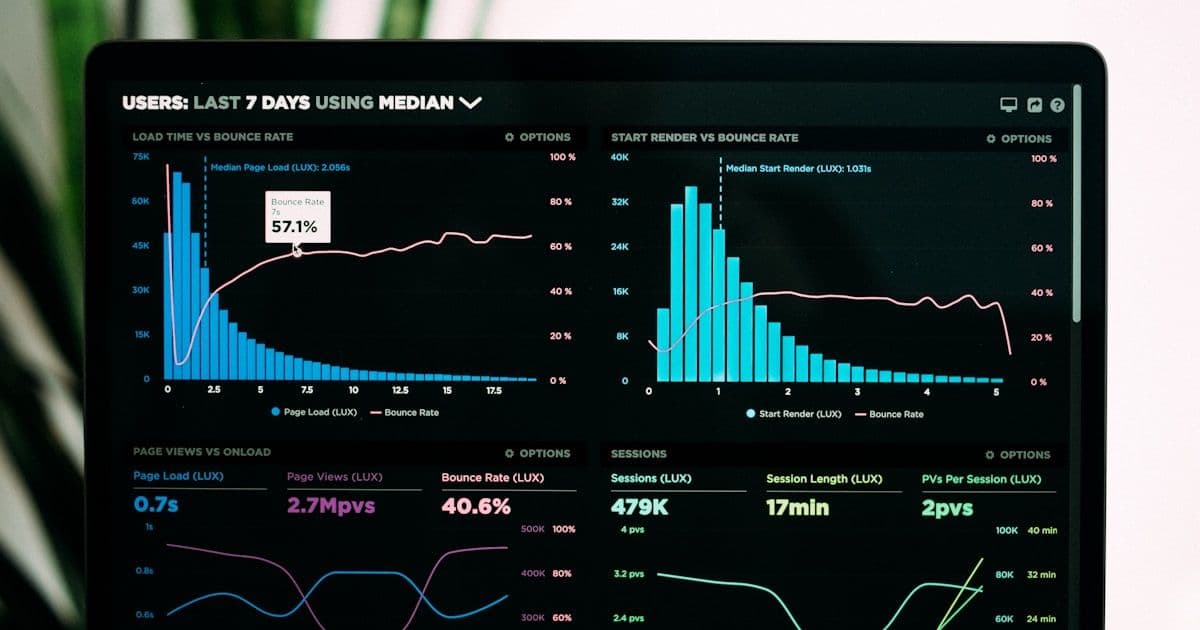
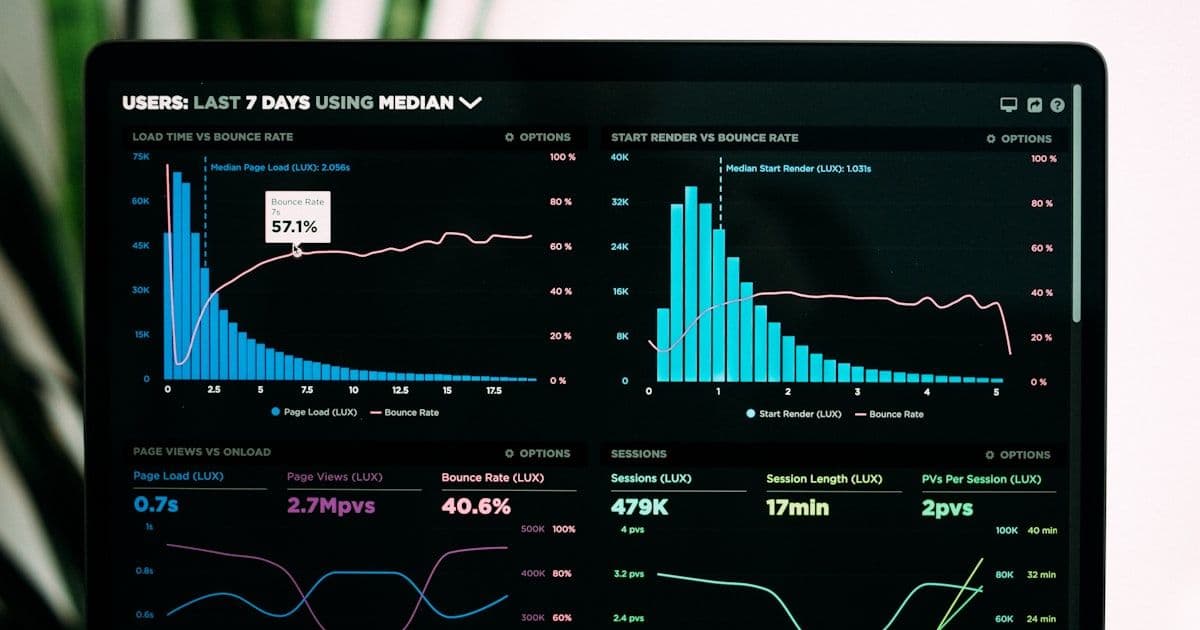
You check your revenue dashboard before a meeting. You check it again before walking in. The number moved, and nobody touched it. You refresh the page. The number changes again. There was no new order, no refund, no adjustment in the system anyone can find. The revenue figure is shifting based on something that happened inside a system boundary, not inside a screen.
This is not a reporting glitch. This is a cascade in progress.
When data passes from a storefront platform to an ERP, from an ERP to a payment processor, and from a payment processor to a finance layer, each system maintains its own interpretation of the same transaction. Each system updates on its own schedule, validates against its own rules, and reports based on its own state. The number does not change because someone entered the wrong data. The number changes because the same data arrived at different systems at different times, in different formats, with different things attached to it.
By the time the figure appears on your dashboard, the cascade has already moved through multiple systems. You are seeing the aftermath, not the origin point.
Key Takeaways - Numbers that change between dashboard refreshes usually signal a cascade already in progress at a system boundary - Every system in the chain can show correct internal records while the handoff between systems is broken - The root cause of a cascade cannot live inside any single system — it lives in the gap between them - A proper cascade trace takes two to four days across ops, finance, and technical leads - The fix lives at the handoff boundary, not inside any individual system
Learn how the Integration Foundation Sprint maps end-to-end data flows
The Moment a Dashboard Number Changes Without Anyone Touching It
You look at the revenue dashboard at 9 a.m. The number shows $142,000 for the day. You refresh it at 9:15. It shows $139,800. There were no cancellations, no adjustments, no pending orders that resolved in that window. Your store sold nothing new in fifteen minutes.
The dashboard did not change the number. Data crossing a system boundary arrived wrong, late, or misformatted, and the downstream systems adjusted accordingly before the update reached your reporting layer. When you see the number move in the dashboard, you are watching the tail end of a cascade that began at a handoff point you cannot see from the dashboard.
The figure did not change because business changed. It changed because one system completed its update cycle before another did.
The cascade was already underway before the dashboard refreshed.
Each System Has the Right Data — Until It Passes a Boundary
Every system in a retail operation has correct data for the records it owns. The ERP has accurate inventory counts until the storefront requests a reservation the ERP did not expect. The storefront has accurate order data until the ERP confirms fulfillment using a status code the storefront does not recognize. The payment processor has accurate capture data until the ERP posts an invoice before the capture confirmation has arrived. The finance layer has accurate records until data was pulled before a downstream handoff completed.
Each system holds its own state correctly. The paradox emerges at the boundary.
When the ERP posts revenue for the day, it is pulling from records that reflect what the ERP knew at the moment of posting. When the payment processor settles captures, it is pulling from what the payment processor knew at the moment of settlement. When finance runs a revenue reconciliation, it is comparing two pictures taken at different times from different systems with different update cycles.
The data inside each system is trustworthy. The data crossing a boundary is where the cascade begins.
The data in each system is not the problem. The gap between systems is the problem.
The root cause cannot live inside any of these systems. It lives in the gap between them.
See how our omnichannel systems integration approach addresses boundary gaps
The Cascade: How One Broken Handoff Ripples Across Four Systems
A single broken handoff does not stay broken in one place. It propagates. Here is how a cascade moves through a typical mid-market retail stack.
Step 1: Storefront records an order. The storefront captures the order and transmits an status update to the ERP. The ERP receives the update but it does not include the payment confirmation timestamp. The ERP flags the order as unpaid, even though the customer was charged at checkout. The ERP is working with data that arrived incomplete.
Step 2: Fulfillment team ships the order. The ERP shows the order as pending payment, so the fulfillment queue does not hold it. The team ships because the ERP said it was clear to ship. The payment processor, however, already captured the funds at the point of sale. The capture happened, but the confirmation did not flow back to the ERP with the correct linking ID. A settlement mismatch begins to form at the processor level.
Step 3: Finance runs a revenue report. Finance sees captured payments that do not link to any recognized order in the ERP. The orders exist, the charges cleared, but the linking ID was dropped in the handoff between the storefront and the ERP. Finance sees isolated payments with no order context. The ERP sees orders with no payment context.
Step 4: Payment processor batches settlement data for the bank. The ERP posts a different revenue figure for the same business day because it is pulling from records that have not yet updated from the fulfillment confirmation. The payment processor settled captures based on a state the ERP had not yet reached. The bank sees one figure. The ERP shows another.
Step 5: Leadership sees a revenue figure that shifts between Monday and Tuesday. Not because business changed, not because a transaction was reversed, but because each system completed its update cycle at a different time. Monday's figure reflected what System A knew at close of business. Tuesday's figure reflected what System B knew after its overnight sync. The business did not change. The reporting windows did.
How to Execute a Cascade Trace
When you open the logs and follow a single diverging order end-to-end, you can map exactly where the cascade started. The steps below reflect what implementation teams observe repeatedly when they trace transactions across mid-market stacks.
- Identify the exact moment the number first diverged. Which metric, which two systems, and the first day the gap appeared. Start with the smallest observable unit, not the dashboard level.
- Trace the transaction class. Is the gap specific to one order type, one payment method, or one fulfillment channel? If the divergence only appears for Shopify orders paid with Shop Pay, the problem is not universal. It is specific to that handoff.
- Map the data flow for a single diverging transaction end-to-end. Storefront to ERP to payment processor to finance layer. Follow one order that went wrong and document every system it touched.
- Check timestamp alignment at each handoff. Did the data arrive at the next system on time, correctly mapped, and in the expected format? Timestamp misalignment is the most common root cause in cascades that eventually resolve on their own, but the time window for that self-correction creates the reporting gap you are seeing.
- Identify whether the divergence is a timing issue or a structural mismatch. Timing issues eventually align once the slower system catches up. Structural mismatches will not resolve without a code change. If your ERP uses a different order status taxonomy than your storefront, data can arrive correctly and still map to the wrong record.
- Determine which system boundary is the root node. The cascade has a starting point, a first handoff where data failed to cross cleanly. That boundary is where the fix must be applied. Every system downstream from that boundary is showing symptoms, not causes.
If you recognize this cascade in your own operation, use the cascade trace steps above to identify which system boundary is the root node. The fix lives at the handoff boundary, not inside any single system.
Why Every System Looks Innocent When You Investigate It
After a cascade event, each system team runs their own investigation. The ERP team audits their records and finds that they received the data correctly and updated it correctly. The data arrived wrong, but their handling of it was correct. The storefront team traces the order and finds that they captured it correctly and transmitted it correctly. The handoff format was wrong, but their output was right. The payment team audits the capture and finds that they processed it correctly and settled it correctly. The linking ID was missing from the payload, but the transaction itself was handled correctly.
Three teams complete their investigation. The problem is still in the building.
This is the debugging paradox of cross-system cascades. Each system works correctly in isolation. Each system produces correct output given the input it received. The failure is not a system malfunction. The failure is an interface malfunction. No individual tool has visibility into the space between systems where the data changed shape.
The system is configured correctly. The integration layer is where the cascade lives.
What a Real Integration Foundation Changes
The workarounds that most teams put in place address the symptoms of the cascade. They do not close the gap. An integration foundation changes the structure that produces the cascade in the first place.
Maps the full end-to-end data flow with timestamps at each handoff point. Not just at the storefront input and finance output. Every boundary between systems gets a timestamp logged. When a number changes, you can trace exactly where in the chain the delay or misalignment occurred.
Adds validation at system boundaries, not just at endpoints. When data crosses from the storefront to the ERP, the handoff is validated for missing IDs, status mismatches, and timestamp gaps before it propagates downstream. The cascade is caught at the boundary, not discovered in the dashboard.
Fixes the specific failure points that cause cascades. Broken ID mappings between order records and payment records. Status transitions that fire at different times in different systems. Sync timing windows that leave gaps between what the payment processor settled and what the ERP recorded. These are not abstract problems. They are specific code-level issues with specific code-level fixes.
Establishes clear ownership at each system boundary. Which team owns the handoff, which team receives it, and what the validation rules are at each edge. When a cascade occurs, there is no ambiguity about which team responds and which system boundary is in scope.
Makes adding a new channel, warehouse, or payment method a controlled change instead of a new cascade risk. Every new system you add to the stack introduces new handoff points. An integration foundation gives you a repeatable process for validating those handoches before they go live.
Explore the Integration Foundation Sprint approach
See how omnichannel systems are mapped end-to-end
The Workaround Trap: Why Normalized Pain Is Still Pain
Most teams operating mid-market retail stacks have workarounds in place. A finance team that exports data to a spreadsheet before reconciling. An ops team that manually verifies order status across two systems before confirming fulfillment. A payments team that runs a daily reconciliation script they built themselves to catch what the ERP and the processor report differently.
These workarounds exist because the root cause is invisible, not because the team is doing something wrong. The team learned to manage the cascade because closing the gap required access to every system boundary simultaneously, which no single person had.
The danger is when a workaround becomes a permanent process. When the team stops recognizing it as a symptom and starts treating it as the normal way to run the business. Workarounds that have become standard operating procedure are still symptoms. They are still costing you more than you are accounting for.
Finance and ops teams both trust their numbers less over time, even when their individual systems are working correctly. The workaround manages the cascade. It does not close the gap. Every new channel, every new warehouse, every new payment method you add to the stack widens the surface area where the next cascade can start.
How to Know If Your Brand Needs an Integration Foundation Sprint
The signals below are specific and observable. If more than two of them describe your current operation, the cascade is already running and a structured fix belongs on your roadmap.
- Your dashboard numbers change between refreshes with no corresponding business event driving the change
- Your finance and ops teams have both concluded the other team's system is the source of the problem, and both are partially right
- Your team has more than one person whose primary responsibility is moving data between systems or fixing handoff failures after the fact
- You cannot give leadership a revenue figure they trust without a multi-day data cleanup process before every close
- You have workarounds in place that your team considers normal operations rather than symptoms of an underlying problem
- You are planning to add a new channel, warehouse, or payment method and want to avoid creating additional cascade risks
The Shopify Orders API and Stripe reconciliation docs both describe their expected integration behaviors in detail, but reading those docs does not fix a handoff that is already broken in your stack. The documentation describes what correct looks like. It does not show you where your current implementation deviated from that standard.
If your teams are spending more time explaining why the numbers do not match than analyzing what the numbers mean, talk to a TkTurners integration lead. We will map your current end-to-end data flow and tell you honestly what an Integration Foundation Sprint would address in your specific stack.
Schedule a data flow mapping session
Frequently Asked Questions
Our ERP vendor says their system is configured correctly. Does that mean the problem is in the storefront?
The ERP team saying their module is configured correctly and the storefront team saying the same thing are both probably true. The problem is not inside either system. It is at the handoff boundary between them. Vendor configuration reviews do not test integration layer integrity. They test whether the system is set up according to the vendor's specifications. A correctly configured ERP can receive malformed data from a correctly configured storefront and produce cascading downstream errors that neither team's configuration review would catch.
How long does it take to map the full end-to-end data flow across our stack?
A proper cascade trace for a mid-market omnichannel stack typically takes two to four days of focused work across your ops, finance, and technical leads. The goal is not a document. It is a shared map that your team can actually act on. If the mapping session ends with a diagram that no one knows how to use, you mapped the wrong thing. The output should identify specific handoff points with specific failure modes and a clear owner for each one.
We have a middleware that connects our systems. Why is the cascade still happening?
Middleware connects systems. It does not validate what crosses the connection or enforce what happens when data arrives wrong, late, or incomplete. Most middleware passes data through. It does not catch cascade-triggering events at the boundary. If your middleware receives a payload with a missing linking ID and passes it through, the cascade continues downstream even though the middleware processed the message successfully. See our omnichannel systems approach for how boundary-level validation changes this dynamic.
Can this problem be fixed without touching code in our existing systems?
Sometimes. If the root cause is a broken handoff format, missing ID mapping, or sync timing window, the fix can live in the integration layer and no system-level code changes are required. If the structural mismatch runs deeper, different status taxonomies or incompatible timestamp logic at the schema level, some system-level changes may be required. A proper sprint maps this before committing to a scope. We have seen cases where a middleware-layer fix resolved the cascade entirely. We have also seen cases where the root cause required changes to how the ERP interprets incoming order status. The mapping determines the scope.
We have workarounds that mostly work. Is that a sign the problem is not as serious as it sounds?
It is a sign that the problem is serious enough that your team built an entire parallel workflow to manage it. The workaround is costing you more than you are accounting for. It is costing you in labor, in decision latency, and in the compounding risk of every new channel or fulfillment method you add. A team spending two hours a day on manual reconciliation is not experiencing a minor inconvenience. They are operating a shadow data entry process that exists because the integration layer failed to close a gap that has been there since the stack was first assembled.
Turn the note into a working system.
The Integration Foundation Sprint is built for omnichannel operators dealing with storefront, ERP, payments, and reporting gaps that keep creating manual drag.
Review the Integration Foundation SprintTkTurners Team
Implementation partner
Relevant service
Review the Integration Foundation Sprint
Explore the service lane