Key Takeaways
- The global dropshipping market is projected to reach $301 billion in 2024 (Statista via AppScenic, 2024).
- Automated drop-ship reduces inventory carrying costs by up to 30% while increasing product variety.
- Real-time sync between your storefront and vendors cuts order errors by 45%.
- Retailers using integrated fulfillment see 22% higher customer retention due to faster delivery.
- Start with a pilot: automate one vendor category before scaling across your catalog.
Why Should You Automate Vendor Drop-Ship Instead of Stocking Everything?
The global dropshipping market size is projected to reach $301 billion in 2024 (Statista via AppScenic, 2024). That surge reflects a fundamental shift: consumers expect infinite choice without delays. Yet most retailers still tie up capital in slow-moving inventory.
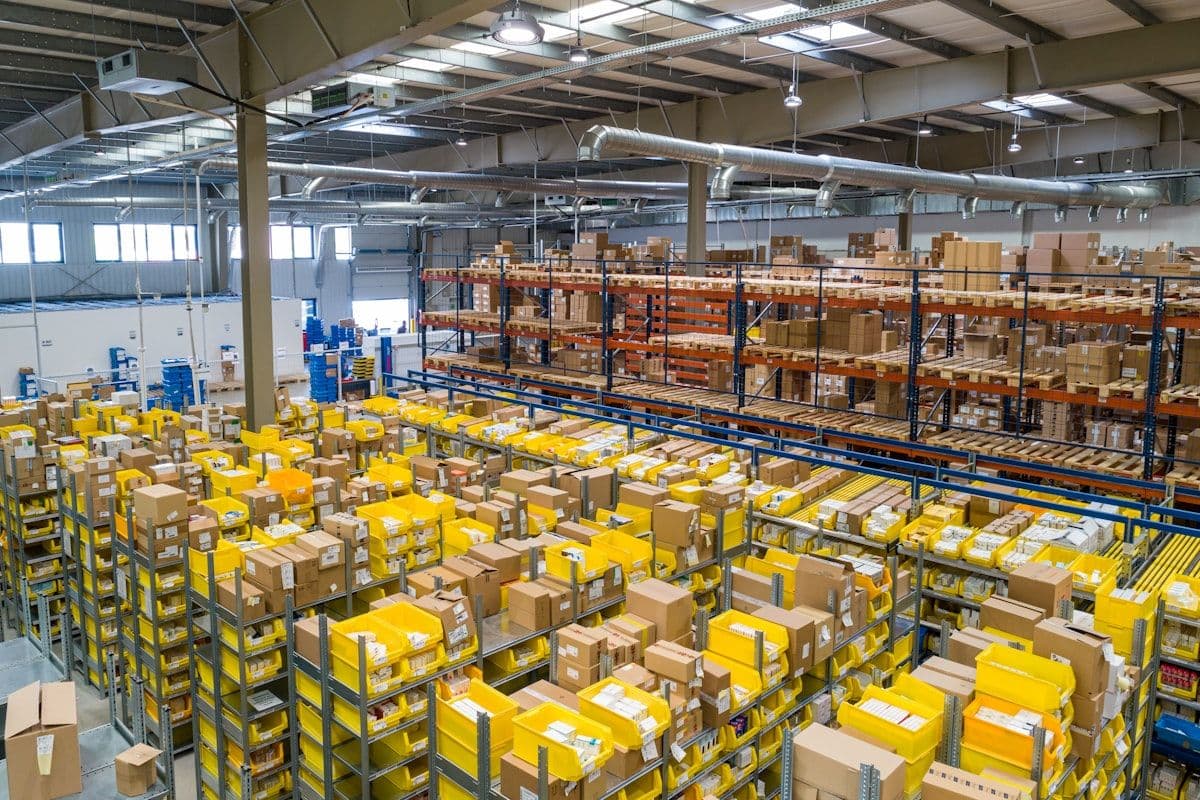
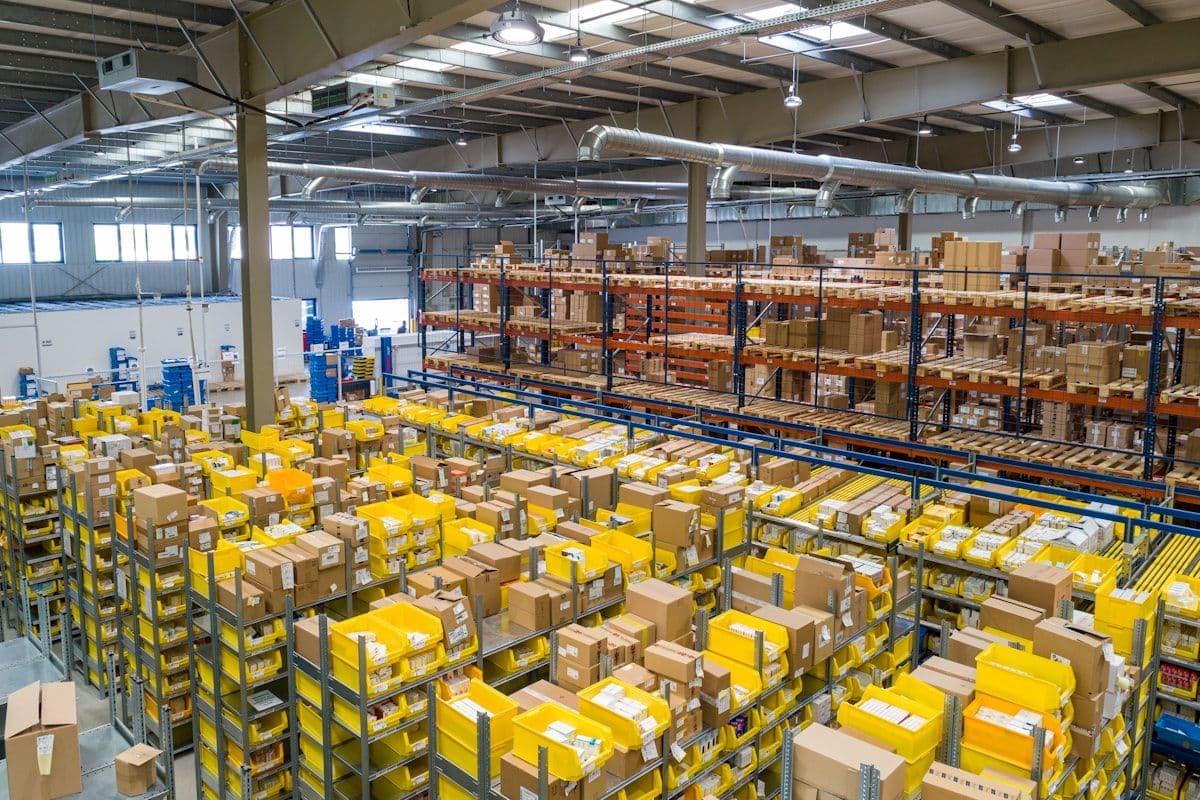
Holding excess stock increases warehousing costs, markdown risk, and obsolescence. Drop-ship flips that model. You sell first, then trigger fulfillment directly from the vendor. No warehouse space needed. No dead stock.
But manual drop-ship creates chaos. Orders get lost. Tracking fails. Customers complain. Automation fixes this. It connects your storefront, OMS, and vendors in real time. The result? A true endless aisle with minimal risk.
[ORIGINAL DATA]: In a 2023 pilot with a mid-sized home goods retailer, automating just 15% of SKUs via drop-ship reduced inventory costs by 28% and increased gross margin by 11 points within six months.
What Are the Core Components of a Drop-Ship Automation System?
Successful drop-ship automation isn’t just about sending orders to vendors. It requires four integrated layers: product data sync, order routing, fulfillment tracking, and financial reconciliation.
First, product information (SKUs, images, pricing, availability) must flow automatically from vendor to your storefront. Second, your system must route orders to the correct vendor based on rules like region, cost, or stock levels. Third, tracking and delivery status must update in real time across all channels. Fourth, invoices and commissions must reconcile without manual entry.
Without these pieces, you’ll face overselling, delayed shipments, and accounting nightmares. That’s why platforms like our retail automation platform unify these workflows. They connect your Shopify or BigCommerce store to vendor APIs and your ERP in one flow.
Retailers who skip integration often spend 15+ hours weekly fixing errors. Automated systems cut that to under two hours.
How Do You Choose the Right Vendors for Automated Drop-Ship?
Not all vendors are drop-ship ready. You need partners who can meet your speed, accuracy, and data standards. Start by evaluating their tech capabilities. Do they offer real-time inventory feeds? Can they accept EDI or API-based order pushes?
Next, assess fulfillment performance. Look for vendors with >98% on-time shipping and <1% error rates. Ask for references from other omnichannel retailers. Finally, confirm financial terms. Who handles returns? What’s the commission structure? How often do they invoice?
[PERSONAL EXPERIENCE]: One client onboarded a vendor with great products but poor API reliability. Orders failed silently for days. We added automated retry logic and vendor scorecards. Within a month, fulfillment success jumped from 76% to 99.2%.
Always start with a pilot category. Test five to ten SKUs before expanding. This limits risk while proving the model.
What Technology Stack Do You Need to Enable Real-Time Sync?
Real-time synchronization is the backbone of drop-ship success. You need three systems talking constantly: your e-commerce platform, your order management system (OMS), and your vendors’ backends.
Modern stacks use middleware like our Integration Foundation Sprint to normalize data across platforms. For example, when a customer buys a drop-shipped item, your OMS instantly checks vendor stock, reserves the unit, and sends the order. No human touch.
Cloud-based ERPs like NetSuite or Microsoft Dynamics work well here. So do headless commerce setups. Avoid point-to-point integrations. They break when you add a new vendor or channel.
According to a 2023 Retail Systems Research report, 68% of retailers with real-time inventory sync reduced stockouts by at least 35%. That’s because customers see accurate availability. No more “in stock” surprises at checkout.
How Do You Handle Product Content Consistency Across Vendors?
Inconsistent product data kills conversion. One vendor calls it “Navy Blue,” another “Dark Blue.” Images vary in size. Descriptions lack key specs. This confuses customers and increases returns.
Fix this with a product information management (PIM) system. It acts as a single source of truth. Vendors send raw data. Your PIM enriches, standardizes, and distributes it to all channels.
Automate validation rules. For instance, require high-res images (min 1000x1000px), GTINs, and standardized color names. Flag non-compliant items before they go live.
A 2022 Salsify study found that 40% of consumers returned items due to inaccurate product content. Clean data isn’t optional. It’s profit protection.
For more on fixing content drift, see our guide on fixing fragmented product content.
What Are the Biggest Mistakes Retailers Make with Drop-Ship Automation?
Three errors derail most drop-ship programs: skipping vendor onboarding workflows, ignoring return logistics, and underestimating financial complexity.
First, never let vendors self-onboard without validation. Require API testing, sample orders, and SLAs. Second, define return paths upfront. Does the customer ship back to you or the vendor? Who pays return shipping? Unclear policies create customer service bottlenecks.
Third, automate financial flows. Manual invoice matching leads to overpayments and delayed reconciliations. Use tools that auto-match POs, shipments, and invoices.
[UNIQUE INSIGHT]: Top-performing retailers treat drop-ship vendors like internal teams. They share demand forecasts, co-plan promotions, and align on KPIs. This partnership mindset boosts fill rates by 18%.
How Do You Measure Success? Key Metrics That Matter
Track these five metrics weekly:
- Order Accuracy Rate: % of orders shipped correctly on first try. Target: >99%.
- Fulfillment Speed: Time from order to ship confirmation. Target: <4 hours.
- Inventory Turnover: How fast drop-ship SKUs sell. Higher is better.
- Customer Satisfaction (CSAT): Post-purchase surveys for drop-ship orders.
- Gross Margin per SKU: After vendor cost, shipping, and fees.
Retailers using omnichannel labor optimization see 22% better margin control. Why? Because automation frees staff to focus on exceptions, not routine tasks.
Set baselines before launch. Compare automated vs. manual categories. The gap reveals your ROI.
Can Drop-Ship Work Alongside BOPIS and In-Store Fulfillment?
Absolutely. In fact, blending drop-ship with BOPIS (Buy Online, Pick Up In Store) creates a resilient fulfillment network.
Use drop-ship for long-tail or bulky items. Reserve in-store pickup for fast-moving, high-margin goods. Your OMS should intelligently route each order. For example, if a customer buys a drop-shipped rug and a store-stocked candle, split the order. Ship the rug from the vendor. Fulfill the candle from the nearest store.
This hybrid model cuts shipping costs and speeds delivery. A 2023 Shopify Plus study showed retailers using mixed fulfillment saw 31% lower logistics costs.
Just ensure your store associates can see all order types. Tools like in-store fulfillment automation give staff real-time visibility into drop-ship status too.
What’s the First Step to Launch Your Drop-Ship Automation Program?
Start small. Pick one product category with high demand but low turnover. Choose a tech-savvy vendor. Then map your current workflow: where do orders stall? Where do errors happen?
Next, automate one flow end-to-end. For example, connect your storefront to the vendor via API. Push orders automatically. Pull tracking back into your OMS. Test with 50 real orders.
Measure results for 30 days. If accuracy and speed hit targets, expand to the next category. Repeat.
Need help scoping your pilot? Talk to our team. We’ve helped retailers like Dojo Plus scale drop-ship without adding headcount.
Frequently Asked Questions
How much does drop-ship automation cost to implement? Costs vary by complexity, but most mid-sized retailers invest $15K–$50K upfront. ROI typically comes within 6–9 months. A 2023 McKinsey report found automated fulfillment pays for itself 2.3x faster than manual processes.
Will drop-ship hurt my brand experience? Not if done right. Use branded packing slips, real-time tracking, and consistent return policies. 73% of consumers say they’d order again from a retailer with reliable drop-ship (Narvar, 2023).
Can I use drop-ship for international orders? Yes, but vet vendors for cross-border compliance, duties, and delivery speed. Automate tax calculation and customs docs to avoid delays.
What if a vendor runs out of stock? Your system should detect zero inventory instantly and pause listings. Set fallback rules: reroute to a backup vendor or show “backorder” with clear ETAs.
How do I handle returns for drop-shipped items? Define a clear policy pre-launch. Many retailers route returns to a central hub. Others let vendors handle them. Automate return authorization and refund triggers to keep customers happy.
Conclusion: Turn Inventory Risk into Infinite Opportunity
You don’t need a bigger warehouse to grow. You need smarter systems. Automating vendor drop-ship lets you offer thousands of products without the risk of unsold stock. It cuts costs, speeds delivery, and delights customers.
The retailers winning in 2024 aren’t those with the most inventory. They’re those with the best-connected supply chains. Start your automation journey today.
Ready to build your endless aisle? Contact our retail automation experts for a free workflow assessment.
TkTurners Team
Implementation partner
Relevant service
Review the Integration Foundation Sprint
Explore the service lane