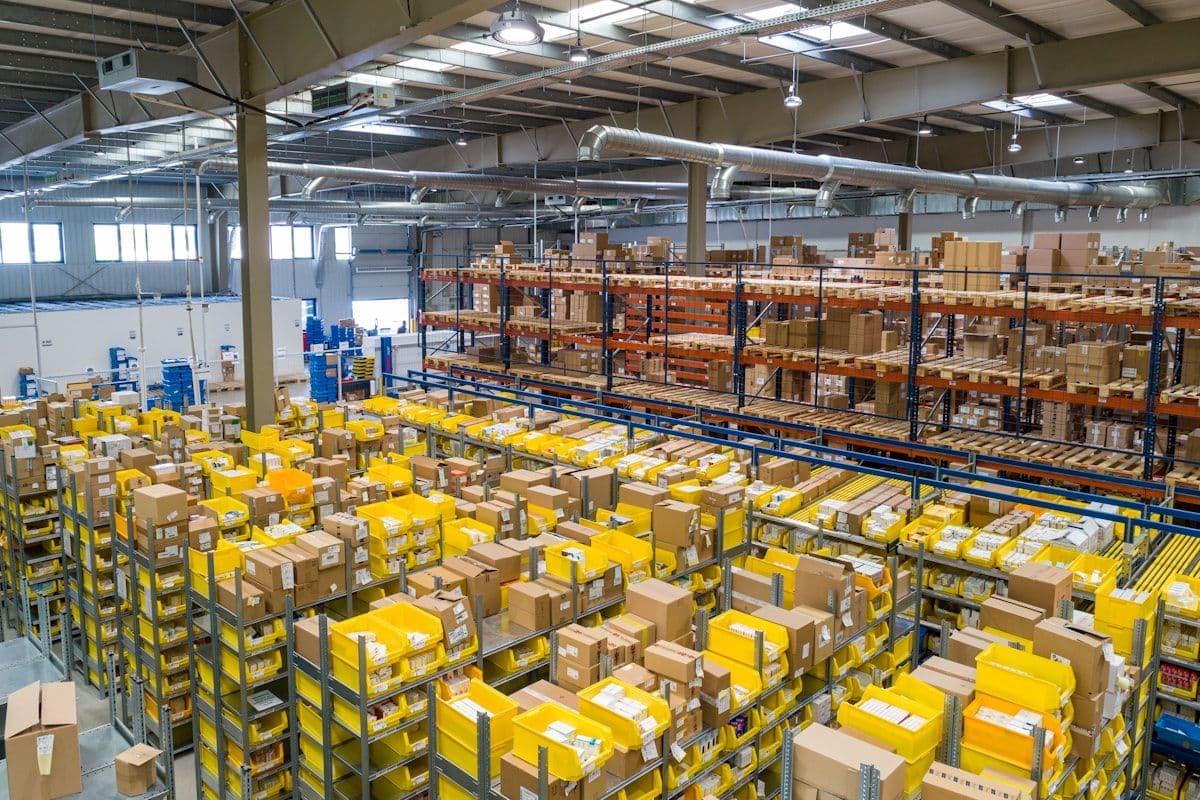
Why Should Retailers Prioritize Post-Return Automation Now?
Retailers estimate that 16.9% of their annual sales in 2024 will be returned, a substantial portion that directly impacts the bottom line (National Retail Federation (NRF) and Happy Returns, 2024). This high return rate isn't just about the initial lost sale. It includes the hidden costs of manual processing, storage, potential write-offs, and delayed inventory re-entry. Prioritizing automation in this area means addressing a major financial leakage point. It shifts the focus from simply accepting returns to strategically managing them for maximum value and efficiency.
Manual returns processes are notoriously slow and expensive. Each step, from receiving the package to inspecting the item and deciding its final disposition, consumes significant labor and time. This delay can render items unsellable or significantly devalued. By automating, retailers can transform a costly obligation into a streamlined operation. This improves financial performance and enhances overall supply chain health.
What Are the Core Components of an Automated Returns System?
The cost to process a single return can be anywhere from 20% to 65% of the item's original value, highlighting the need for efficiency in every step (Shopify, NRF report, 2025). An effective automated returns system is not a single tool. It is an integrated suite of components working in harmony. These typically include a customer self-service portal, a robust rules engine for dynamic decision-making, automated inspection and quality control, and intelligent disposition pathways. Each component plays a vital role in creating a seamless, efficient, and profitable returns journey.
These components are interconnected, forming a holistic system that guides an item from the customer's decision to return, through its physical journey back to the warehouse, and ultimately to its most profitable disposition. [ORIGINAL DATA] The true power of automation in returns lies in this interconnectedness. It ensures that data flows freely between stages. This prevents bottlenecks and provides real-time visibility into the entire reverse logistics process. Without a comprehensive approach, inefficiencies can easily creep back in.
How Does Automation Streamline the Customer Returns Experience?
When customers receive their money back in seconds rather than weeks via automated solutions, they are 35% more likely to make another purchase from your brand (Reveni, 2024-2026). The customer-facing aspect of returns automation is often the first touchpoint. A streamlined process begins with an intuitive self-service portal. This portal allows customers to initiate returns, select return reasons, and generate shipping labels effortlessly. It reduces friction and improves satisfaction.
Automated systems can pre-authorize returns based on policy rules, provide instant return labels, and offer real-time tracking updates. This transparency builds trust and reduces the need for customers to contact support. By making the return process as easy as the purchase, retailers can turn a potentially negative experience into a positive brand interaction. This fosters loyalty and repeat business.
What Role Does a Smart Rules Engine Play in Value Recovery?
Returns software increases revenue retention by 50% through exchanges, demonstrating the power of smart decision-making at the point of return (Opensend, 2025). At the heart of an automated returns system is a sophisticated rules engine. This engine dynamically applies predefined business logic to each return request. It considers factors such as product condition, return reason, purchase history, and inventory levels. Based on these inputs, it can automatically determine the optimal disposition path for each item.
This could mean approving an immediate exchange, issuing a store credit, or routing the item directly for resale, refurbishment, or recycling. Such dynamic routing minimizes manual intervention. It also ensures that every returned item follows the most profitable recovery path. Implementing a robust Integration Foundation Sprint ensures that this rules engine can seamlessly connect with your existing ERP, WMS, and e-commerce platforms. This allows for real-time data exchange and consistent application of policies across all channels.
How Can Automated Inspection and Quality Control Accelerate Inventory Re-Entry?
Companies leveraging automation have reported up to 50% faster returns processing, a significant boost to inventory velocity (AInvest cited by Addverb, 2025). Once a returned item arrives at your facility, automated inspection and quality control systems kick into action. These systems can use a combination of technologies, including high-resolution cameras, barcode scanners, and even AI-powered visual inspection, to rapidly assess an item's condition. This process is far faster and more consistent than manual checks.
Automated systems can quickly categorize items as "ready for resale," "requires minor refurbishment," or "damaged/defective." This rapid assessment is critical for accelerating inventory re-entry. Items deemed ready for resale can be immediately restocked and made available for purchase. This minimizes the time they spend in limbo, reducing holding costs and maximizing their selling window. [UNIQUE INSIGHT] The data gathered during automated inspection is invaluable. It can highlight recurring product quality issues or packaging deficiencies, providing actionable insights for product development and supply chain improvements. This proactive feedback loop can reduce future return rates.
What are the Best Practices for Automated Disposition and Re-Commerce?
Retailers can recover 20-30% more value from returned goods through efficient re-commerce programs, a direct result of effective automation (McKinsey & Company cited by TkTurners, 2026). The ultimate goal of returns automation is to maximize the value recovered from each item. Automated disposition pathways are key to achieving this. Once an item's condition is assessed, the system automatically directs it to the most appropriate channel. This could be immediate re-shelving for full-price resale, routing to a refurbishment station, or directing it to secondary markets.
For items requiring refurbishment, automation can manage the workflow, tracking parts, labor, and progress. For items unsuitable for primary sale, automated systems can identify optimal liquidation channels, such as discount marketplaces or recycling programs. This dynamic approach ensures that no value is left on the table. It transforms returned goods from liabilities into assets. For a deeper dive into this area, explore our guide on Automating The Re Commerce Loop Turning Returns Into Sustainable Revenue.
How Does Automated Data Analytics Drive Continuous Improvement?
Total U.S. retail returns reached $890 billion in 2024, emphasizing the sheer volume of data available for analysis (National Retail Federation (NRF) and Happy Returns, 2024). Beyond processing individual returns, an automated system generates a wealth of data. This data is invaluable for understanding return patterns, identifying root causes, and driving continuous improvement. By analyzing return reasons, product categories with high return rates, and customer segments, retailers can gain actionable insights.
This information can inform product design changes, improve product descriptions and imagery, or optimize initial fulfillment processes. Automated data analytics can also detect fraudulent return patterns. This helps protect against the $103 billion retailers lost to return and claims fraud in 2024 (Appriss Retail and Deloitte, 2025). By continuously monitoring and learning from returns data, businesses can reduce future return rates and enhance overall profitability. Our AI Automation Services can help you set up advanced analytics and machine learning models to extract maximum value from this data.
What Are the Prerequisites for Implementing Returns Automation?
As of late 2024/early 2025, 68% of retailers are prioritizing upgrading their returns capabilities within the next six months, indicating a clear industry trend towards improvement (NRF and Happy Returns, 2024). Before diving into returns automation, several foundational elements must be in place. First, clear and consistent return policies are essential. These policies will form the basis of your automated rules engine. Second, ensuring data hygiene across your systems is paramount. Inaccurate product data or customer information will hinder automation efforts.
Third, system integration is a non-negotiable prerequisite. Your returns platform must communicate seamlessly with your ERP, WMS, e-commerce platform, and customer service tools. This avoids data silos and ensures a unified view of every return. [PERSONAL EXPERIENCE] Many retailers struggle with legacy systems that don't easily "talk" to each other. Investing in a robust integration strategy upfront, even if it seems like an extra step, will save immense headaches and costs down the line. It ensures your automated system operates on accurate, real-time information.
What Common Mistakes Should Retailers Avoid During Implementation?
Retailers lost $103 billion to return and claims fraud in 2024, a figure that can be exacerbated by poorly implemented returns systems (Appriss Retail and Deloitte, 2025). While the benefits of automation are clear, several common pitfalls can derail implementation. One significant mistake is neglecting robust fraud detection measures. An automated system without intelligent fraud checks can become an easy target. Another error is poor integration with existing systems, leading to fragmented data and manual workarounds that defeat the purpose of automation.
A third mistake is failing to adequately train staff on the new automated processes and tools. Resistance to change or a lack of understanding can undermine even the most sophisticated system. Lastly, attempting to automate everything at once without a phased approach can be overwhelming. Start with key areas, gather feedback, and iterate. This ensures a smoother transition and higher success rate.
What Measurable Outcomes Can Retailers Expect from Automated Returns?
Automated returns management can reduce processing costs by up to 30%, a direct impact on profitability (Gartner cited by TkTurners, 2026). The investment in returns automation yields numerous measurable benefits. Retailers can expect significant reductions in labor costs associated with manual processing. Processing times will decrease dramatically, leading to faster inventory re-entry and reduced holding costs. This improved efficiency directly translates into a healthier bottom line.
Beyond cost savings, automated systems lead to higher value recovery rates. Intelligent disposition ensures items are sold through the most profitable channels. Customer satisfaction also improves due to faster refunds and a more transparent process, potentially increasing repeat purchases. Key Performance Indicators (KPIs) like average processing time, cost per return, recovery rate percentage, and customer repurchase rates will all show positive trends. Our Retail Ops Sprint can help you identify and implement the most impactful automation strategies for your specific operational needs. For more insights on this topic, refer to our article on Optimizing Reverse Logistics Automating Returns Processing for Sustainability and Profit.
FAQ
Q: How quickly can we expect to see ROI from returns automation? A: While implementation time varies, many retailers report significant ROI within 6-12 months. Automated returns management can reduce processing costs by up to 30% (Gartner cited by TkTurners, 2026), with faster inventory re-entry and improved customer loyalty contributing to accelerated returns.
Q: Does automation eliminate the need for human involvement in returns? A: No, automation optimizes and streamlines the process, but human oversight remains crucial. Automation handles repetitive tasks and decision-making for standard cases, freeing staff to focus on complex returns, customer exceptions, and strategic analysis.
Q: Can automation help with return fraud? A: Absolutely. Automated systems can implement rules to flag suspicious patterns, track customer return history, and verify item conditions more rigorously. Retailers lost $103 billion to return and claims fraud in 2024 (Appriss Retail and Deloitte, 2025), making fraud detection a vital component of any robust automation strategy.
Q: Is returns automation only for large enterprises? A: Not at all. While large enterprises benefit significantly, the modular nature of many automation solutions makes them scalable for businesses of all sizes. The average e-commerce return rate is projected to be 19.3% in 2025 (NRF and Happy Returns, 2025), meaning nearly all online retailers can benefit from improved efficiency.
Conclusion
The era of viewing returns as an unavoidable, pure cost center is rapidly ending. With total U.S. retail returns reaching $890 billion in 2024, ignoring the potential for optimization is no longer an option. By embracing comprehensive returns automation, retail operations managers and e-commerce directors can transform a logistical burden into a strategic advantage. This means significantly reducing processing costs, accelerating inventory re-entry, maximizing value recovery through intelligent disposition, and ultimately fostering stronger customer loyalty. The path to profitability in returns lies beyond the refund, in the intelligent, automated management of every returned item.
Ready to transform your returns process from a cost center into a profit driver? Discover how TkTurners can help you implement a seamless, automated returns solution tailored to your retail business. Contact us today to discuss your specific needs.
TkTurners Team
Implementation partner
Relevant service
Review the Integration Foundation Sprint
Explore the service lane